Kafedralar
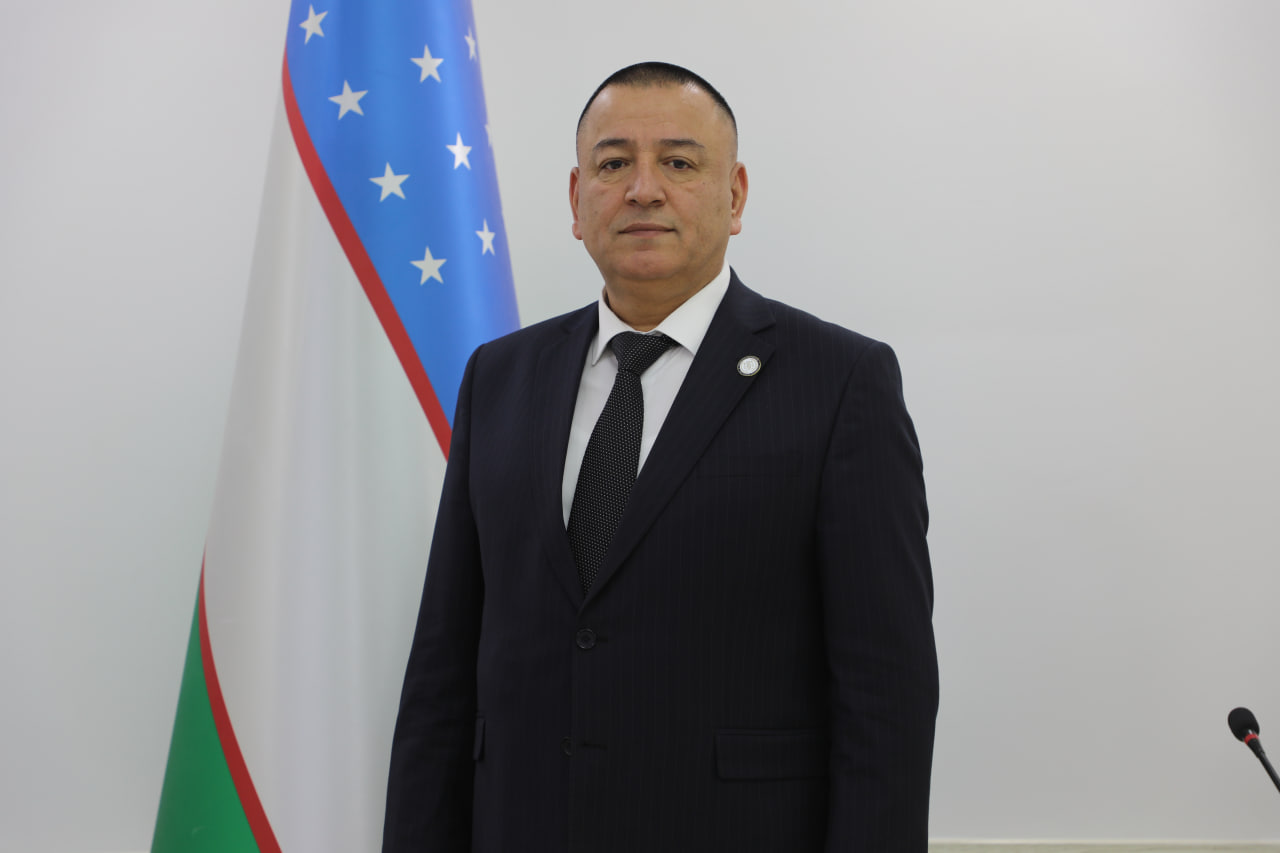
Obidov Tolibjon Avazxonovich
Head of the Department.
Structural division: Department of Criminal Law Disciplines
Academic degree: Doctor of Philosophy (PhD) in Law.
Phone: (55) 501-01-88
Email: t.obidov@sudacademy.uz
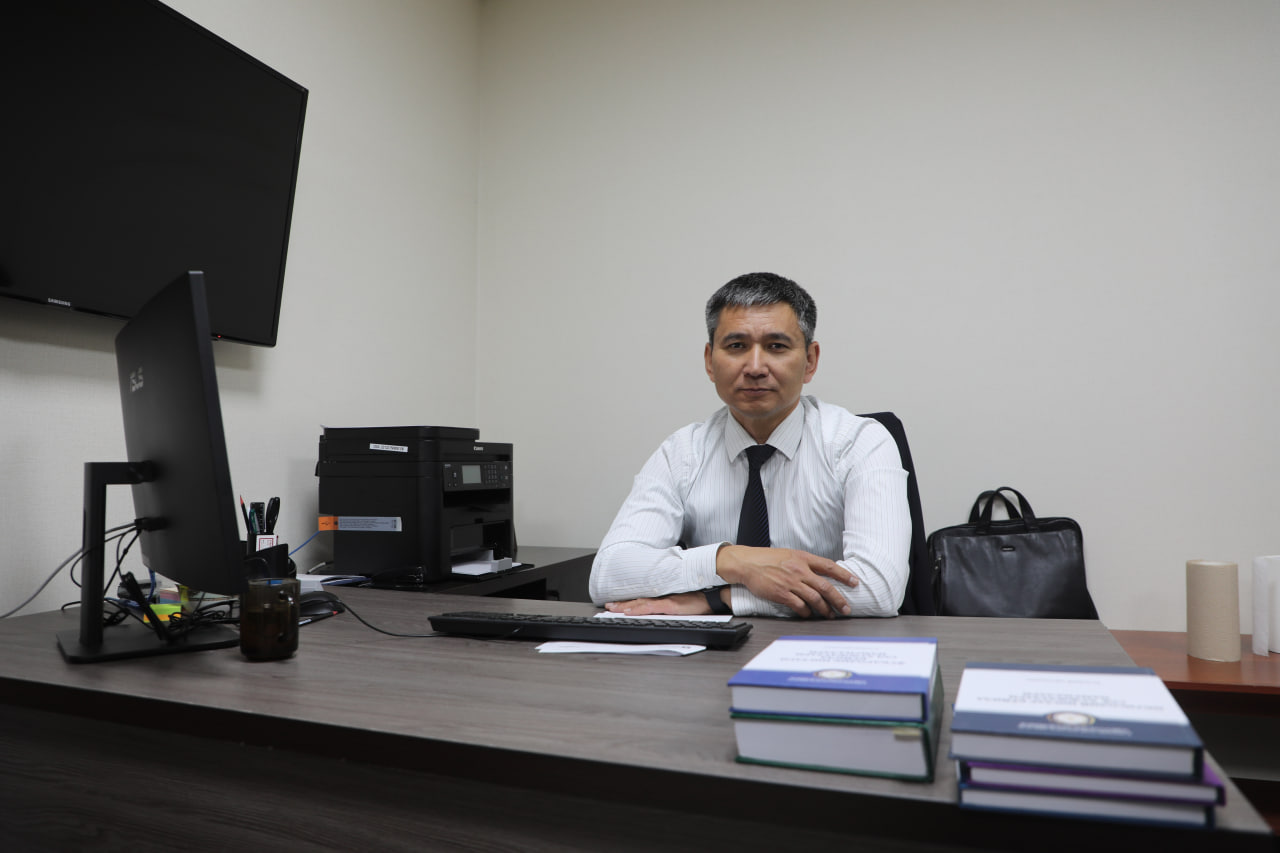
Omonov Zafarjon Rakhmonalievich
Lecturer
Structural division: Department of Criminal Law Disciplines
Academic degree: Doctor of Philosophy (PhD) in Law
Phone: (55) 501-01-88
Email: z.omonov@sudacademy.uz
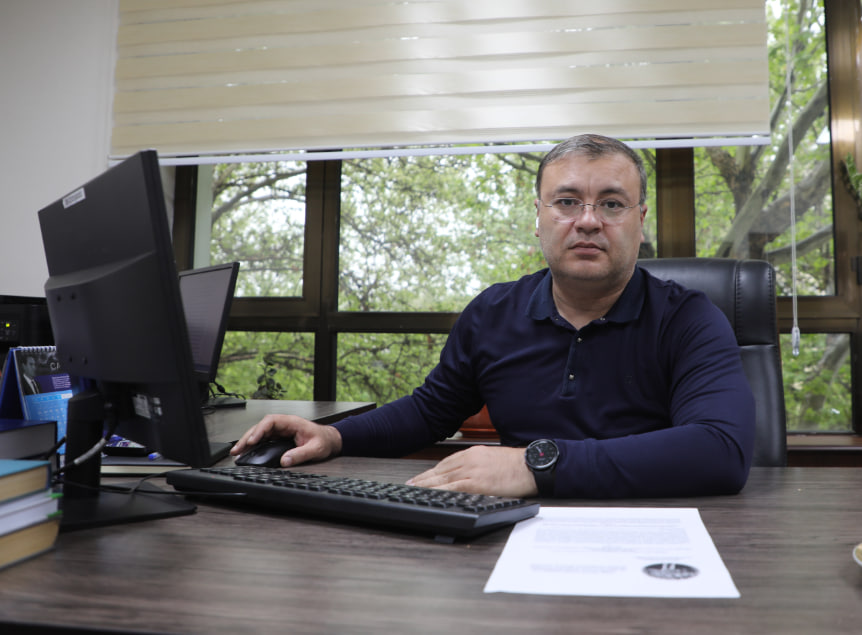
Sarvar Mamadiyev
Lecture-professor
Structural division: Lecturer at the Department of Criminal Law Disciplines
Academic degree: Candidate of Legal Sciences (PhD in Law)
Phone: (55) 501-01-88
Email: s.mamadiev@sudacademy.uz
The Department and its Organizational and Legal Basis
The Department of Criminal Law Disciplines was established pursuant to Presidential Decree No. PF-141 of the President of the Republic of Uzbekistan dated August 21, 2025, “On Measures to Fundamentally Improve the System of Training Highly Qualified Personnel in the Field of Justice.”
In its activities, the Department is guided by the Constitution and laws of the Republic of Uzbekistan, legislative acts of the Oliy Majlis of the Republic of Uzbekistan, decrees, resolutions and orders of the President of the Republic of Uzbekistan, resolutions and orders of the Cabinet of Ministers of the Republic of Uzbekistan, as well as the Charter of the Academy and this Regulation.
The Department carries out educational and methodological, research, and legal awareness activities in the areas of criminal law and procedure, criminal executive law, administrative offences, as well as current issues of reforms in the judicial and legal sphere.
The Department operates under the leadership of the Rector of the Academy and reports directly to the Rector.
Official Name of the Structural Unit
In the state language – Jinoyat-huquqiy fanlar kafedrasi;
In Russian – Кафедра уголовно-правовых дисциплин;
In English – Department of Criminal Law Disciplines.
Tasks and Functions of the Department
The main tasks of the Department include:
training candidates for judicial positions, improving the qualifications of judges and court staff, and retraining judges for leadership positions;
organizing professional retraining courses in the form of dual education based on the “theory–practice–simulation” principle, while ensuring an integral connection between legislative application skills and practical experience;
conducting practical classes using a deontological approach in order to develop practical skills among participants of professional retraining courses, while ensuring their direct participation in the activities of relevant law enforcement agencies, the legal profession, forensic institutions, and other state bodies and institutions;
introducing “virtual court” sessions into professional retraining courses, enabling participants to observe court hearings in real time and analyze the procedural actions of judges, as well as organizing training sessions on the use of artificial intelligence technologies;
introducing interactive teaching methods into the educational process that develop skills in case management and critical analysis, as well as the ability to make well-reasoned decisions using innovative pedagogical and information and communication technologies;
developing theoretical knowledge and practical skills among participants in jurisprudence, professional ethics, professional psychology, business communication, time management, negotiation techniques, information management technologies, and the interpretation and application of legal norms;
regularly organizing events to discuss current issues of judicial and law enforcement activities, as well as legal practice;
familiarizing participants with amendments and additions to legislation, the current state and trends of national and foreign law enforcement practice, as well as experience in the field of law-making;
establishing effective interagency cooperation with educational and research institutions engaged in the training of candidates for judicial positions and the professional development of judges and court staff, with the aim of exchanging experience and combining efforts to improve the quality of the educational process;
conducting, within the Academy’s educational process, classes in the field of criminal justice specified in the curricula and programs for training candidates for judicial positions, retraining judges and court staff, and improving their qualifications, at a high theoretical and scientific-practical level;
strengthening the scientific potential of the Department, broadly involving young people in scientific activities, coordinating research and innovation activities, attracting scientific projects, and ensuring a strong connection between science and practice;
developing draft model curricula for judges handling criminal cases, candidates for judicial positions, and employees of the judicial system;
providing reviews and expert opinions on curricula prepared by relevant departments of other educational institutions;
preparing educational, methodological, and visual teaching aids;
preparing expert opinions on published textbooks and educational and methodological literature, including literature created in co-authorship with foreign scholars;
conducting research in accordance with the approved plan, discussing completed research projects, recommending them for publication, implementing their results in law enforcement practice, and ensuring the integration of education, science, and legal practice;
reviewing the educational, research, and legal awareness activities included in the individual work plans of the Department’s academic staff; organizing activities aimed at studying and generalizing the work of experienced teachers and disseminating their best practices;
introducing modern pedagogical and information and communication technologies, creating an information database, ensuring the effective use of modern educational and technical equipment in classes, and organizing instruction in specialized classrooms equipped with modern computer technology;
submitting relevant proposals for the development of distance learning elements;
participating as members of expert groups in the development of regulatory legal acts and in the implementation of state programs, other guiding documents, and assignments;
organizing activities aimed at regularly improving the professional qualifications of the Department’s academic staff and developing the system for providing educational services;
developing cooperation with foreign educational institutions in the field of education and involving foreign experts and specialists in the educational process;
developing final examination (assessment) questions, test questions, and case studies on subjects taught by the Department and introducing them into the educational process;
assisting in the continuous replenishment of the Academy’s Information and Resource Center with new educational, scientific-practical, and periodical literature related to the Department’s educational areas and specializations.