Bo'limlar
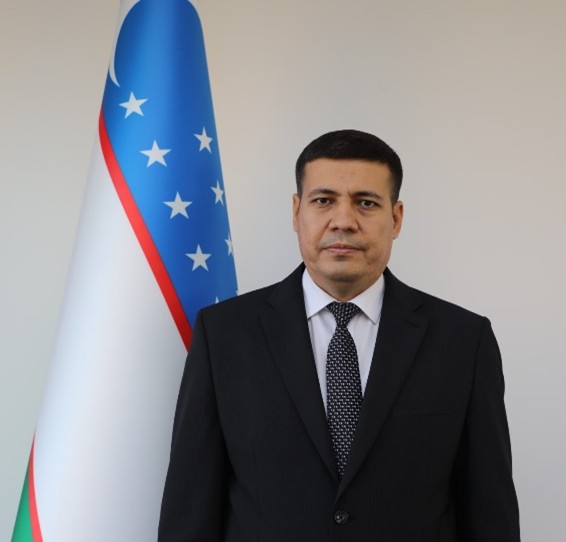
Palvanov Izzat Turaevich
Head of Department
Structural division: Educational and methodological department
Academic degree: Doctor of Philosophy in Legal Sciences
Phone: (55) 501-01-88
Email: i.palvanov@sudacademy.uz
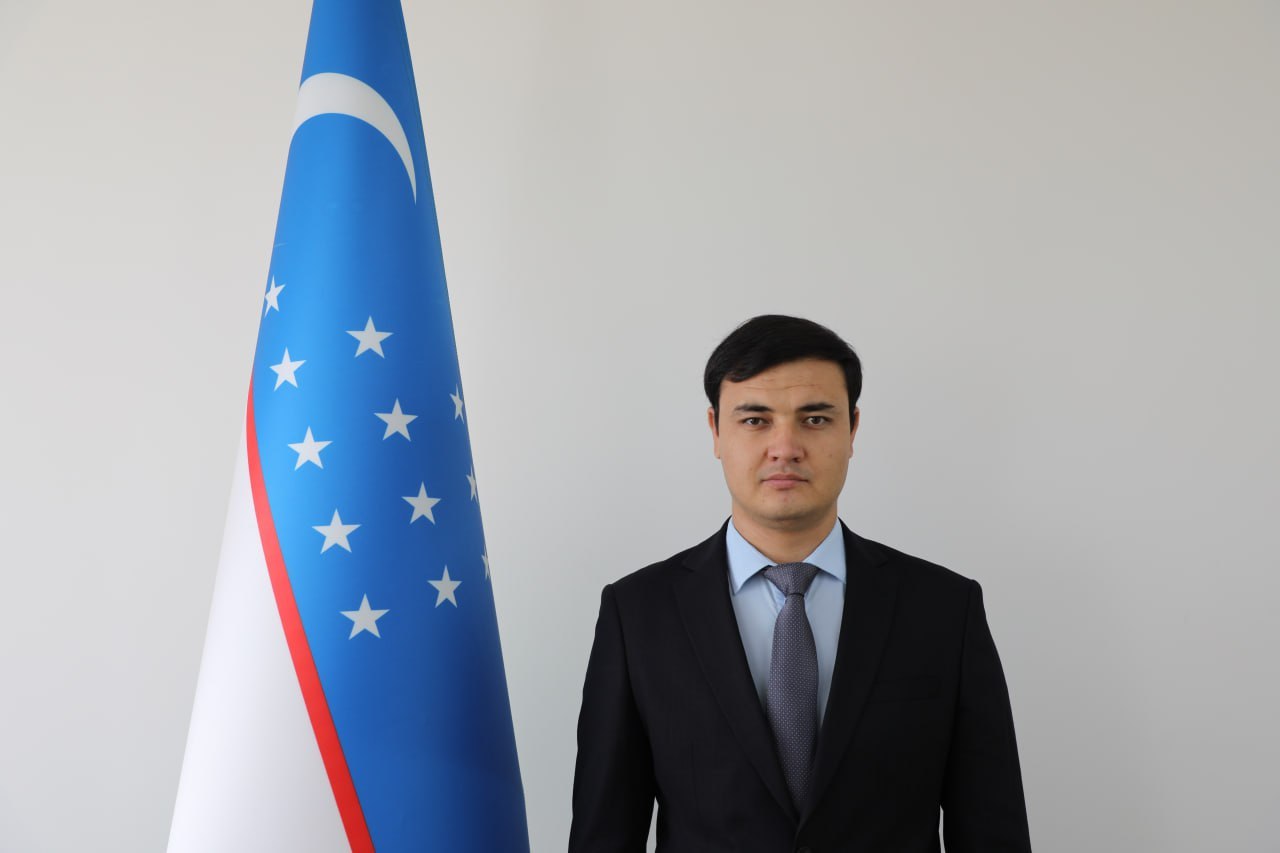
Davronov Azizbek Baxodir o‘g‘li
Chief Specialist
Structural division: Educational and Methodological Department
Academic degree: -
Phone: (55) 501-01-88
Email: a.davronov@sudacademy.uz
Principal aim of the Department
To ensure the effective organization and management of the educational, training, and scientific-methodological processes on the basis of modern pedagogical, innovative, and information-communication technologies (including artificial intelligence), for the purpose of training and upgrading the qualifications of highly qualified judges, court staff, and academic-pedagogical personnel possessing the high moral and ethical qualities required for the judicial system, together with the competence to render independent, impartial, and fair decisions.
Principal functions of the Department
1. Preparing candidates for judicial office at the Academy's six-month professional retraining courses, providing mandatory continuing-education courses for judges and court staff, retraining senior personnel from among judges placed in the reserve for appointment to managerial positions (for a period of up to two months), and studying and monitoring the information needs of students enrolled in the master's program "Judicial Activity";
2. Organizing the educational process in accordance with curricula and programs that ensure the theoretical training is closely linked with law-enforcement practice, based on modern forms and methods of instruction and on pedagogical, information-communication, and innovative technologies, and aimed at developing analytical thinking and professional skills among trainees;
3. Developing the class schedule, maintaining records of the classroom stock, and organizing its efficient use;
4. Assisting trainees with their educational and methodological activities;
5. Ensuring the proper execution of documentation relating to educational and scientific-methodological work;
6. Organizing the final certification of trainees and analyzing its results on the basis of reports submitted by the chairpersons of the certification commissions;
7. Developing proposals for cooperation with leading foreign scientific and educational institutions, analytical and research centers, and international organizations with a view to ensuring academic exchange;
8. Carrying out active cooperation with the courts, law-enforcement bodies, the bar, and other organizations in order to ensure that trainees' theoretical knowledge is closely linked with legislative activity and law-enforcement practice;
9. Ensuring that trainees comply with the Academy's internal rules of conduct and its code of professional ethics;
10. Submitting to the Academy's management, for approval, the topics of master's theses selected by graduate students and endorsed by the relevant departments in the corresponding specialization, together with the candidacies of academic supervisors (scientific advisers);
11. Exercising control over the timely and proper fulfillment of the teaching workload;
12. Monitoring the condition of the classroom stock assigned to the Department and submitting proposals for measures to improve the condition of classrooms;
13. Preparing, jointly with other structural units, proposals for the application of modern forms and methods of instruction and of pedagogical, innovative, and information-communication technologies in the educational process;
14. Informing the teaching staff of the academic departments of the requirements applicable to teaching methods used in the courses for candidates for judicial office, for the continuing education of judges and court staff, for the retraining of judges held in reserve for managerial appointment, and for the master's program "Judicial Activity," as well as of curricula and programs, new textbooks, teaching and methodological materials, video materials, recommendations, and the content of regulatory documents;
15. Organizing and conducting educational and methodological seminars aimed at studying innovations in academic disciplines and advanced pedagogical technologies in education and upbringing, exchanging experience, and enhancing the qualifications of the teaching staff;
16. Developing and putting into practice methodological guidelines and recommendations aimed at improving the effectiveness of education and enhancing the educational process;
17. Assisting the teaching staff in introducing advanced modern forms and methods for training candidates for judicial office, judges, and court staff in the practical use of modern information technologies and artificial-intelligence capabilities;
18. Organizing a system for training highly qualified, well-rounded personnel possessing modern knowledge and the necessary professional skills for the judicial system;
19. Introducing programs aimed at forming a professional judicial culture among candidates for judicial office, judges, court staff undergoing retraining while held in reserve for managerial positions, and students of the master's program;
20. Providing scientific and methodological support for judicial activity, conducting fundamental, applied, and innovative research, and assisting in the improvement of legislation in the field of the judiciary and law;
21. Introducing into the educational process interactive teaching methods aimed at developing among future judges the professional skills of independent, impartial, and unbiased case management based solely on the law and on the principles of justice;
22. Organizing dual-format education on the basis of the "theory – practice – simulation" principle, ensuring a close connection between skills in applying legislation and practical experience;
23. Conducting practical classes in a deontological format for the purpose of developing trainees' practical skills;
24. Forming well-rounded personnel for the judicial system who possess modern knowledge and the necessary professional skills;
25. Forming a professional judicial culture among candidates for judicial office;
26. Developing among future judges the professional skills of independent, impartial, and unbiased case management based solely on the law and on the principles of justice;
27. Instilling high moral and ethical qualities in trainees and students;
28. Ensuring the fight against corruption and openness and transparency in judicial activity;
29. Developing skills in the practical use of modern information technologies and artificial-intelligence capabilities;
30. Developing foreign-language proficiency skills;
31. Developing, among newly appointed judges, the competence to perform judicial duties and the skills required to organize the work of a court;
32. Studying and summarizing judicial practice and statistics, and developing relevant proposals and recommendations;
33. Developing skills in professional ethics, psychology, business communication, and time management;
34. Mastering the practice of interpreting and applying legal norms;
35. Consolidating skills in organizing and conducting court proceedings and negotiations, correctly applying procedural and other documents in practice, and correctly applying legal norms to disputed matters;
36. Coordinating cooperative activities to achieve effectiveness in methodological services and in the enhancement of qualifications;
37. Introducing advanced forms, pedagogical technologies, innovations, and technical and informational teaching aids that correspond to the current level of social and scientific-technical development, in the course of upgrading the qualifications of the Department's teaching staff;
38. Introducing into the educational process interactive teaching methods that develop the skills of making well-reasoned decisions through the use of innovative pedagogical and information-communication technologies;
39. Establishing effective inter-agency cooperation with educational and research institutions engaged in the preparation of candidates for judicial office and in upgrading the qualifications of judges and court staff, for the purpose of exchanging experience and combining efforts to improve the quality of the educational process.
Stages of Development and Priority Areas
The activity of the Academy's Educational and Methodological Department has risen to a new stage in the course of implementing Decree No. UP-141 of the President of the Republic of Uzbekistan, dated 21 August 2025, "On Measures for the Fundamental Improvement of the System for Training Highly Qualified Personnel in the Field of Justice."
Organizing quality education and professional development: systematic management of the educational process for candidates for judicial office, judges, court staff, and master's students on the basis of the "theory – practice – simulation" (dual education) principle.
Introducing modern teaching methods and technologies: developing trainees’ analytical and practical skills through the broad application of interactive methods, information-communication technologies, and artificial-intelligence capabilities in education.
Fostering professional culture and ethics: strengthening among trainees the qualities of a judicial professional culture, propriety, anti-corruption conduct, impartiality, and adherence to the criteria of fairness.
Methodological cooperation and academic exchange: establishing effective inter-agency and academic cooperation with leading foreign and domestic scientific-educational institutions and with the courts and law-enforcement bodies.
Staff
The Department is headed by the Chief of the Educational and Methodological Department.