UZBEKISTAN’S SUPREME COURT MEMBERSHIP IN SIFoCC ANNOUNCED IN LONDON
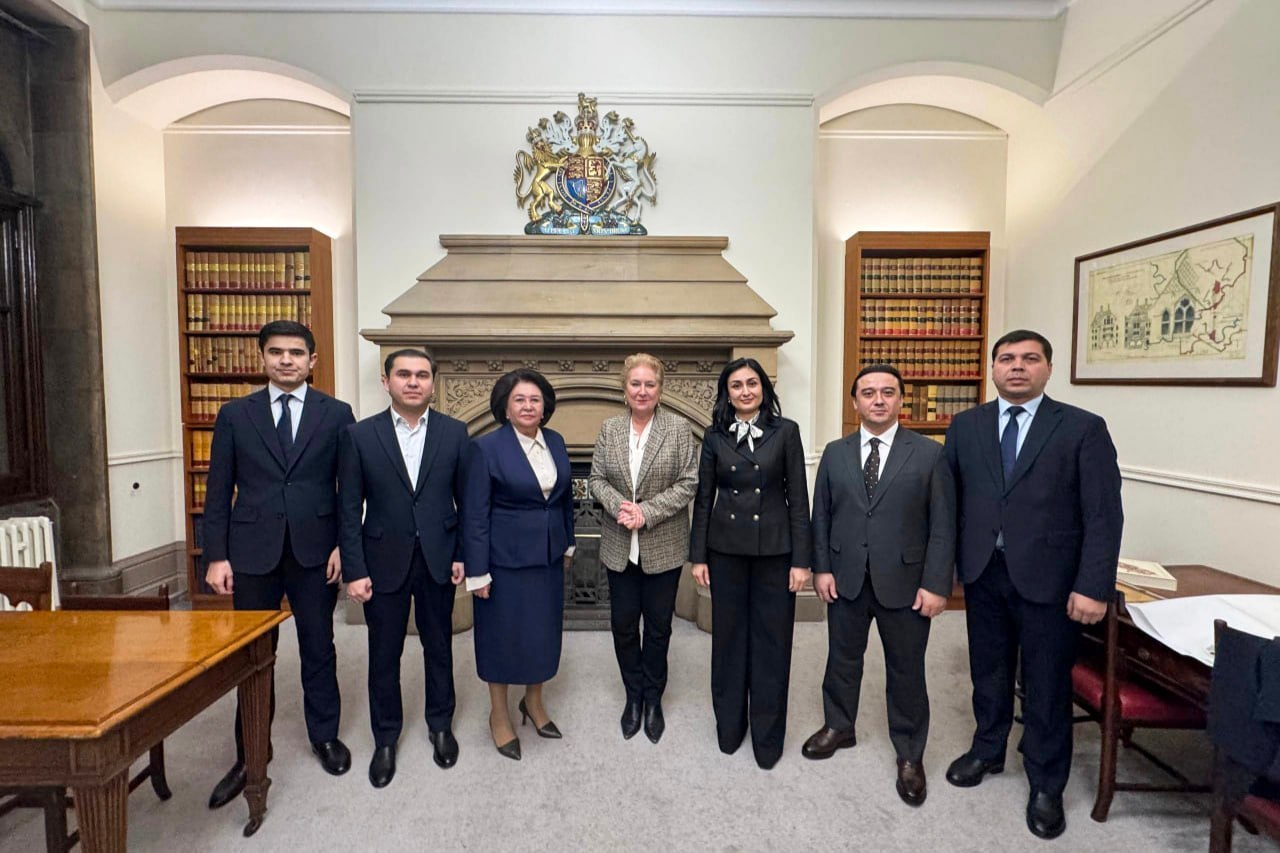
A delegation led by Robakhon Makhmudova, Chairperson of the Supreme Court, and Nodira Khakimova, Deputy Head of the Presidential Administration of the Republic of Uzbekistan for Judicial Reform, paid a working visit to the United Kingdom.
The central event of the visit was the ceremony marking the announcement of the Supreme Court of the Republic of Uzbekistan’s membership in the Standing International Forum of Commercial Courts (SIFoCC).
During the visit, a number of bilateral meetings were held with prominent representatives of the UK judicial and legal system, as well as heads of international professional organisations.
In particular, discussions were held with J. Voss, Chair of the SIFoCC Steering Group, and Judge R. Knowles, responsible for the organisation’s day-to-day operations; S. Carr, Head of the Judiciary of England and Wales; N. Green, Chair of the Judicial College; and D. Hickman, Executive Director of the International Dispute Resolution Centre.
The meetings provided an opportunity for a comprehensive exchange of views on the priority areas of the large-scale reforms being implemented in Uzbekistan in recent years to improve the judicial and legal system, ensure reliable protection of the rights and legitimate interests of citizens and business entities, enhance the effectiveness of justice, and strengthen the role of the judicial community.
Furthermore, a roundtable discussion was organised with the participation of the Uzbek delegation and representatives of several prominent international and UK professional legal organisations. Participants included representatives of the International Advisory and Dispute Resolution Unit (IADRU), the International Bar Association (IBA), the Commercial Litigation Forum (CLF), and the Bar Council of England and Wales.
The roundtable addressed pressing issues such as developing alternative dispute resolution mechanisms and expanding opportunities for their use, effectively resolving international commercial disputes, strengthening the role of the legal profession, and introducing advanced information technologies into judicial activities.
Participants delivered presentations on their organisations’ activities, ongoing projects, accumulated practical experience, and future initiatives.
The visit programme also included seminars on the organisation of court proceedings and case management, arbitration and mediation, as well as the use of artificial intelligence technologies in judicial proceedings.
The meetings in London marked an important step towards expanding the participation of Uzbekistan’s judicial system in international professional dialogue, exchanging experience with foreign judicial and legal institutions, and strengthening practical cooperation.
The delegation also included Nodirbek Salaev, Vice-Rector for Research, Innovation, and Information and Analytical Affairs of the Academy of Justice of the Republic of Uzbekistan.
Additionally, meetings were held with the leadership and representatives of the UK Judicial College. The discussions focused on prospects for cooperation in judicial and legal education, particularly in personnel training, professional development of judges and judicial system specialists, exchange of experience, and implementation of joint educational programmes.
This visit is also of considerable importance to the Academy of Justice in terms of expanding international cooperation and expert engagement in judicial and legal education, studying advanced international practices, and incorporating them into the national judicial and legal education process.
Agar xohlasangiz, ushbu matnning ruscha va inglizcha variantlarini Akademiyaning rasmiy Telegram kanali uchun yanada ixcham, nashrga tayyor shaklda ham tahrirlab beraman.
Boshqa yangiliklar
-
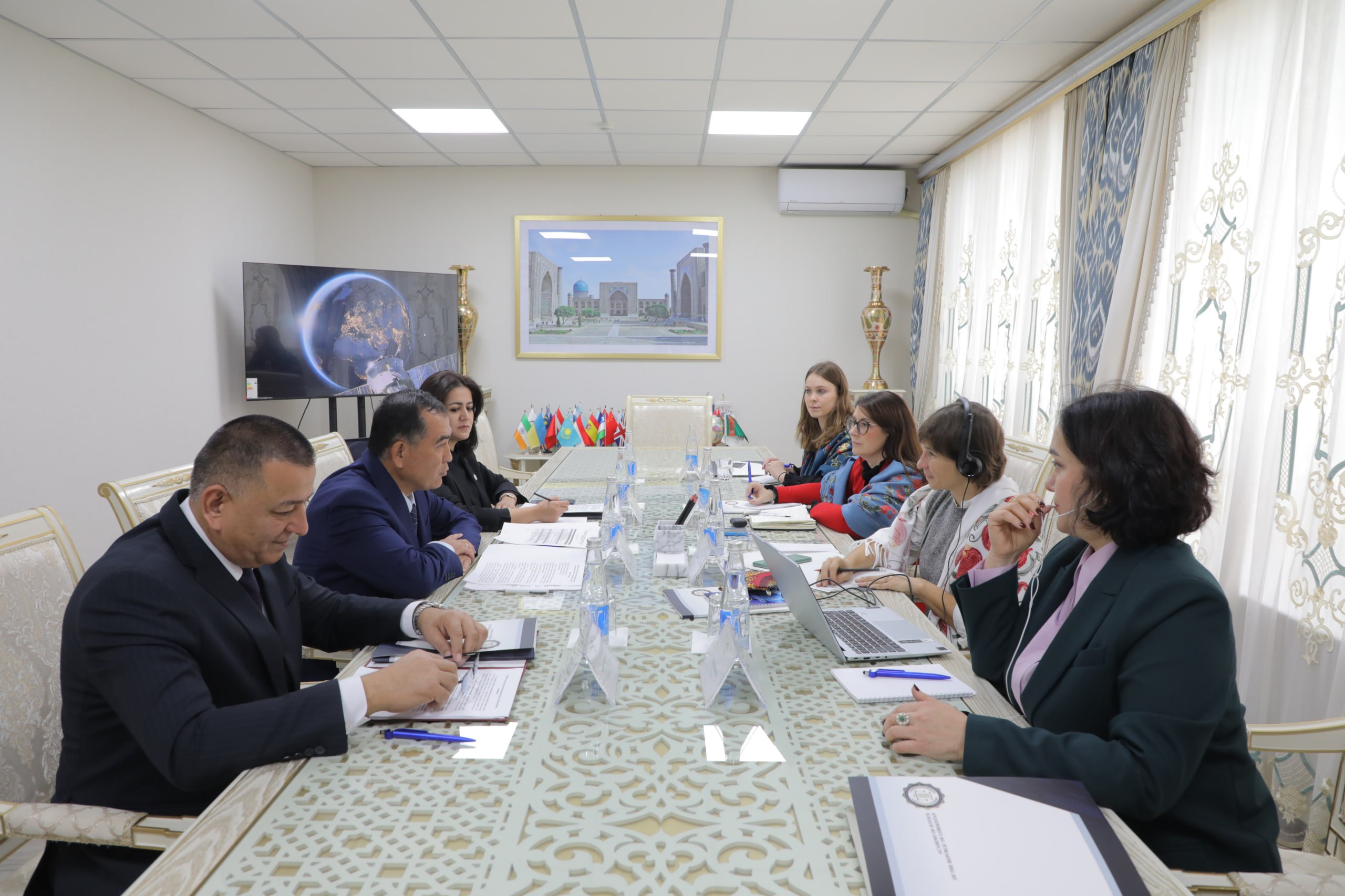
ACADEMY AND UNODC: NEW DIRECTIONS IN INTERNATIONAL COOPERATION
-
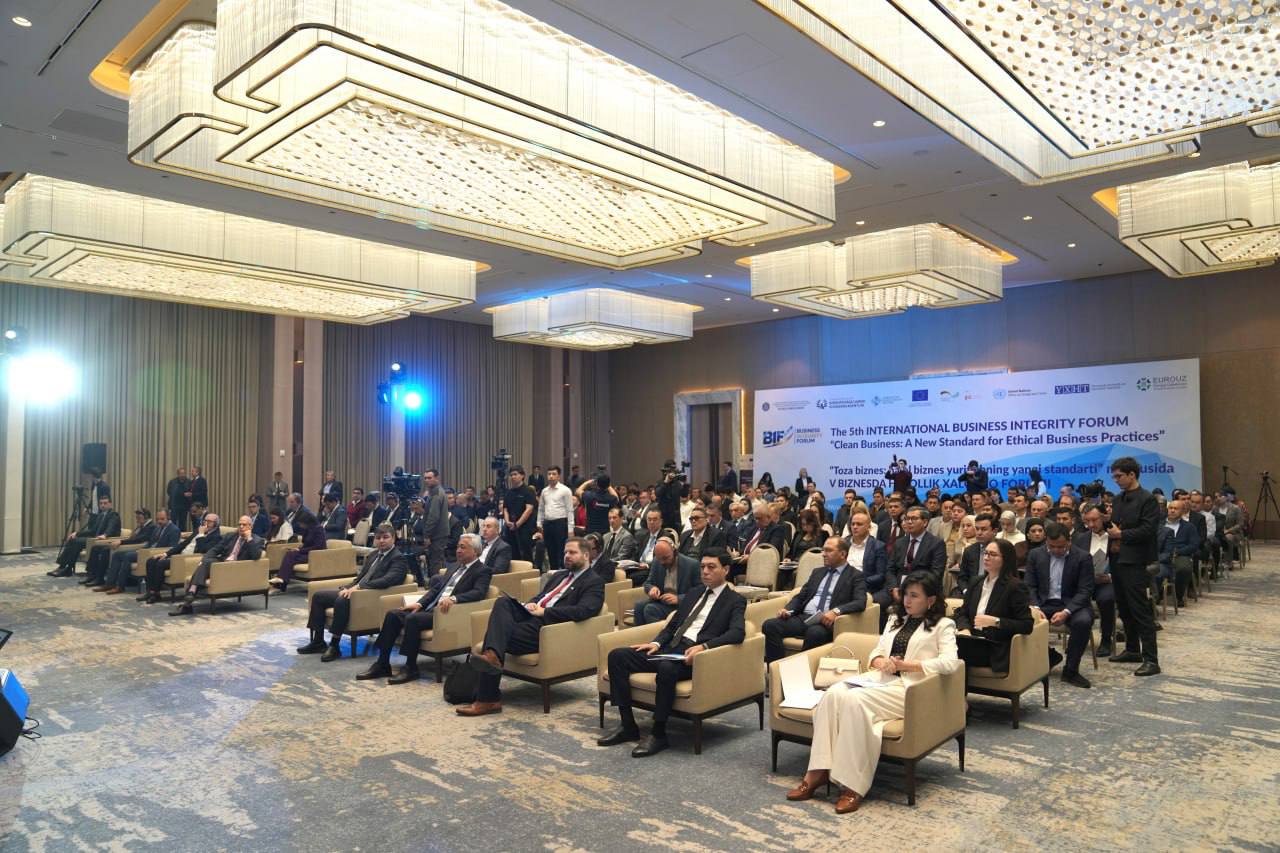
RECTOR OF THE ACADEMY OF JUSTICE PARTICIPATES IN THE INTERNATIONAL “BUSINESS INTEGRITY” FORUM
-
PSYCHOLOGICAL BALANCE IN JUDICIAL WORK: TOWARDS MENTAL RESILIENCE AND FAIR DECISIONS
-
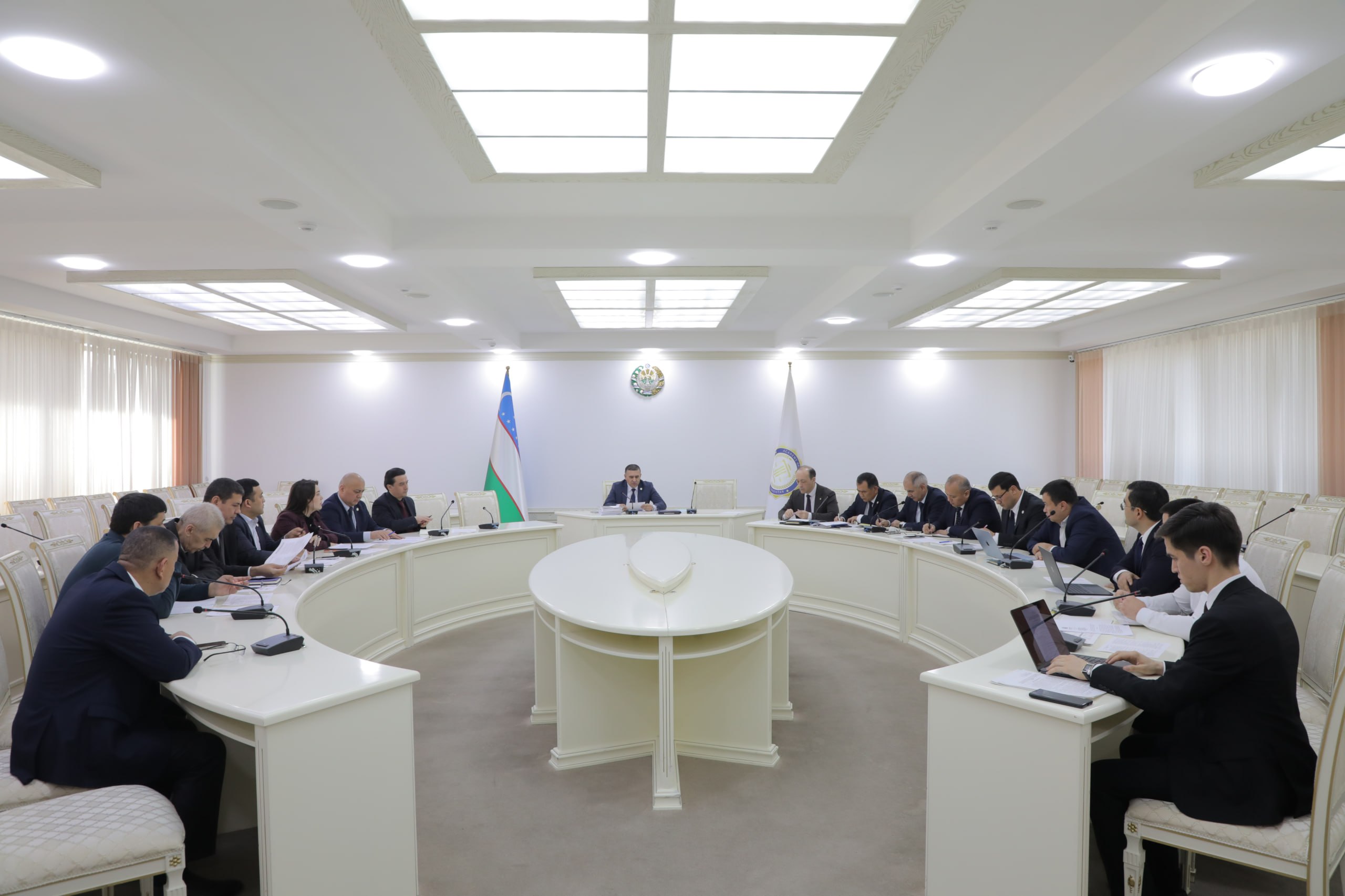
THE ACADEMY’S STRATEGIC PLANS AND PRIORITY OBJECTIVES WERE DISCUSSED
-
JUDGES PLAYED CHESS AND DEMONSTRATED THEIR SKILLS