Kafedralar
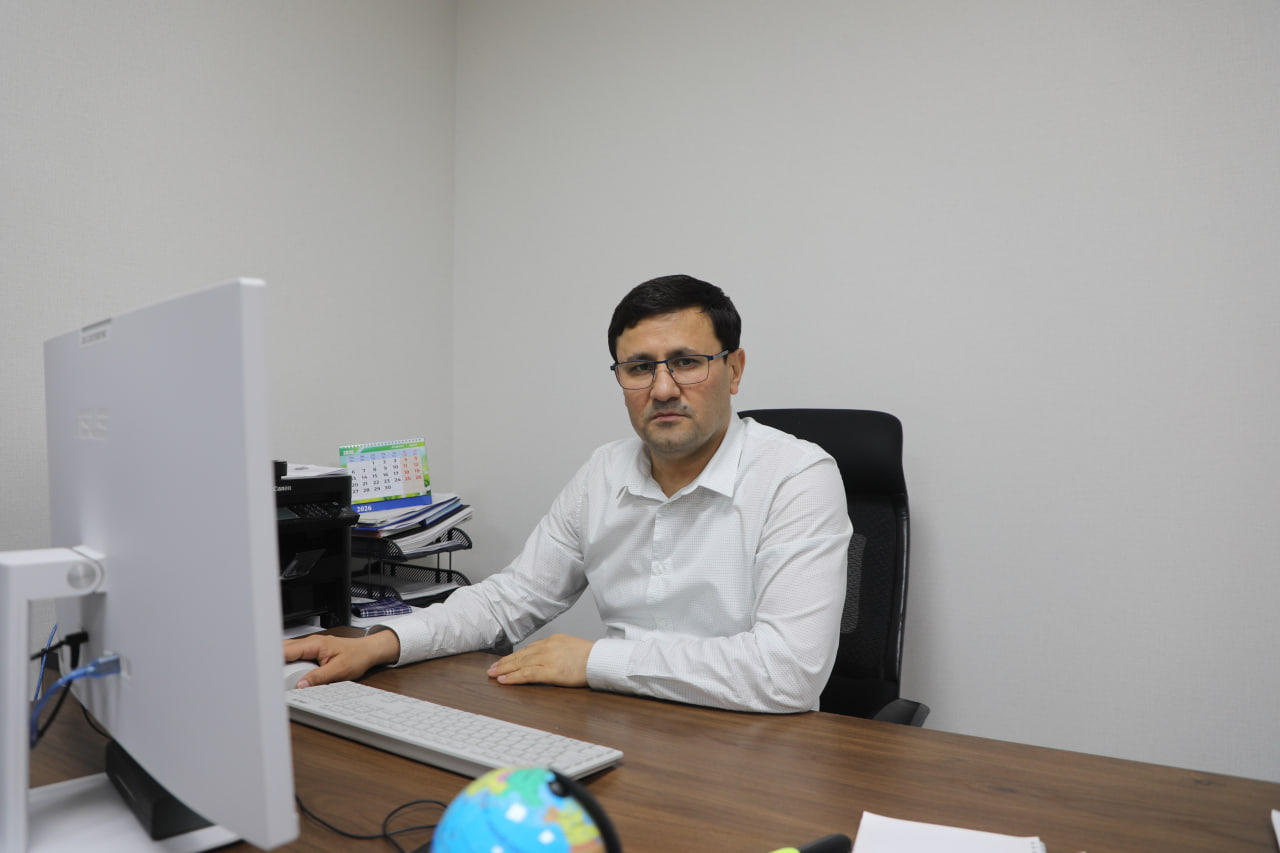
Amirov Zafar Aktamovich
teacher
Structural division: Department of Human Rights, International Law and Social - Humanitarian Sciences
Academic degree: Doctor of Law, Professor
Phone: (55) 501-01-88
Email: z.amirov@sudacademy.uz
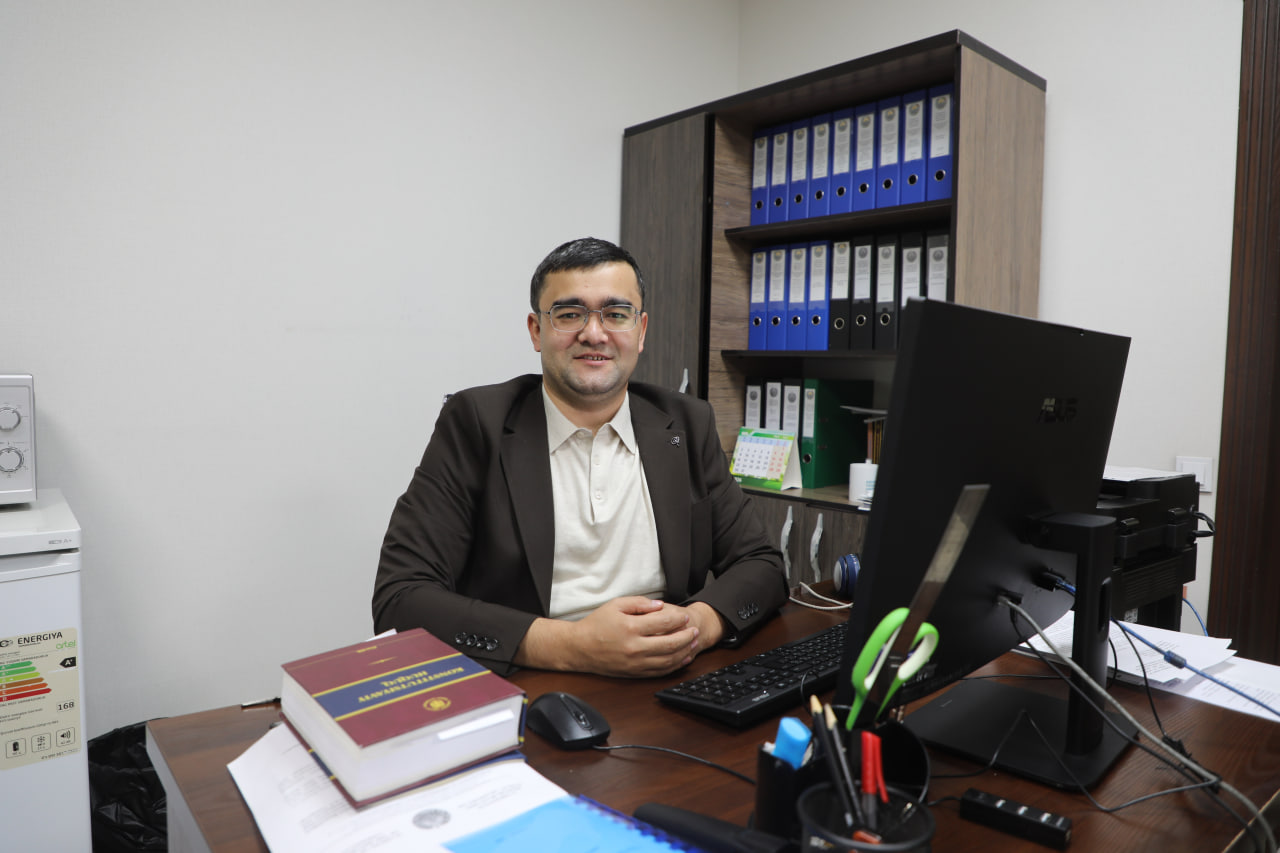
Fakhriddin Hoshim ugli Madiyev
Teacher of the department
Structural division: Department of Human Rights, International Law and Social-Humanitarian Sciences
Academic degree: Doctor of Philosophy in Law (phd) Associate Professor
Phone: (55) 501-01-88
Email: f.madiev@sudacademy.uz
About the Department:
On 22 June 2020, Decree No. PF-6012 of the President of the Republic of Uzbekistan “On Approval of the National Strategy of the Republic of Uzbekistan on Human Rights” provided, in order to improve legal literacy in the field of human rights, for the introduction of the training courses “Human Rights,” “Women’s Rights” and “Children’s Rights” in all educational institutions, including institutions specializing in the retraining and professional development of judges and law-enforcement officers. On this basis, pursuant to Decree No. PF-141 of the President of the Republic of Uzbekistan of 21 August 2025 “On Measures for the Radical Improvement of the System for Training Highly Qualified Personnel in the Field of Justice,” the Department of Human Rights, International Law and Social Sciences and Humanities was established at the Academy of Justice.
Official name of the Department:
in the state language – Инсон ҳуқуқлари, халқаро ҳуқуқ ва ижтимоий-гуманитар фанлар кафедраси;
in Russian – Кафедра прав человека, международного права и социально гуманитарных наук;
in English – Department of Human Rights, International Law and Social Sciences and Humanities Disciplines.
Purpose of the Department – the professional retraining of candidates for judicial positions taught at the Academy, the professional development of judges and court staff, active participation in the retraining of judges held in reserve for appointment to leadership positions, and organizing the training sessions within the Department’s main area of activity at a high scientific-theoretical and practical level.
Tasks and Functions of the Department
The main tasks of the Department are as follows:
organizing training and professional development for candidates for judicial positions and for the retraining of judges and court staff on the basis of innovative achievements in artificial intelligence and information technologies; training qualified candidates for judicial positions and retraining judges and court staff, improving their qualifications through advanced methods and tools that meet modern international standards;
organizing dual-format education based on the “theory–practice” principle, ensuring an inseparable link between students’ skills in applying legislation and practical experience;
conducting practical classes in a deontological format in order to develop students’ practical skills, ensuring their direct participation in the activities of relevant justice departments, the Compulsory Enforcement Bureau under the Prosecutor General’s Office, the Consular Legal Department and consular institutions of the Ministry of Foreign Affairs of the Republic of Uzbekistan, the International Law Department of the Supreme Court of the Republic of Uzbekistan, and other state bodies and institutions;
familiarizing students with recent changes and amendments to legislation, the state and trends of national and foreign law-enforcement practice, as well as experience in law-making activities;
establishing effective inter-agency cooperation with educational and research institutions engaged in training candidates for judicial positions and improving the qualifications of judges and court staff, in order to exchange experience and combine efforts to improve the quality of the educational process;
conducting, at a high theoretical and scientific-practical level, the types of classes on human rights, international law and constitutional law provided for in the Academy’s curricula and programs for training candidates for judicial positions, retraining judges and court staff, and improving their qualifications;
developing draft model curricula on the implementation of human rights and international law norms for judges, candidates for judicial positions, and judicial system staff;
providing reviews and opinions on curricula prepared by corresponding departments of other educational institutions;
preparing teaching, methodological and visual aids;
preparing opinions on published textbooks and teaching materials, including those co-authored with foreign scholars;
conducting research work in accordance with the approved plan, discussing completed research work, recommending it for publication, and implementing its results into law-enforcement practice, thereby ensuring the continuity of education, science and legal practice;
reviewing the teaching and research work included in the individual work plans of the Department’s faculty, and organizing work to study and generalize the experience of experienced instructors and to disseminate best practices;
improving students’ professional knowledge, skills and qualifications by introducing advanced forms and methods of teaching and modern educational and information-communication technologies into the professional-development process;
introducing modern pedagogical and information-communication technologies, ensuring the effective use of modern teaching and technical aids in classes, and organizing instruction in specialized classrooms equipped with modern computer equipment;
submitting relevant proposals for the development of distance-learning elements;
participating in expert groups for the development of regulatory legal acts;
holding events aimed at the regular professional development of the Department’s faculty and developing the system for delivering educational services;
developing cooperation in education with foreign educational institutions and involving foreign expert specialists in the educational process;
drafting final examination (test) questions, test questions and case studies on subjects taught at the Department and incorporating them into the educational process;
developing, in candidates for judicial positions, the skills needed to draft procedural documents related to the protection of rights violated in the acceptance of court documents, through the application of the norms of international treaties.