News
ANOTHER IMPORTANT MEMORANDUM OF COOPERATION HAS BEEN SIGNED
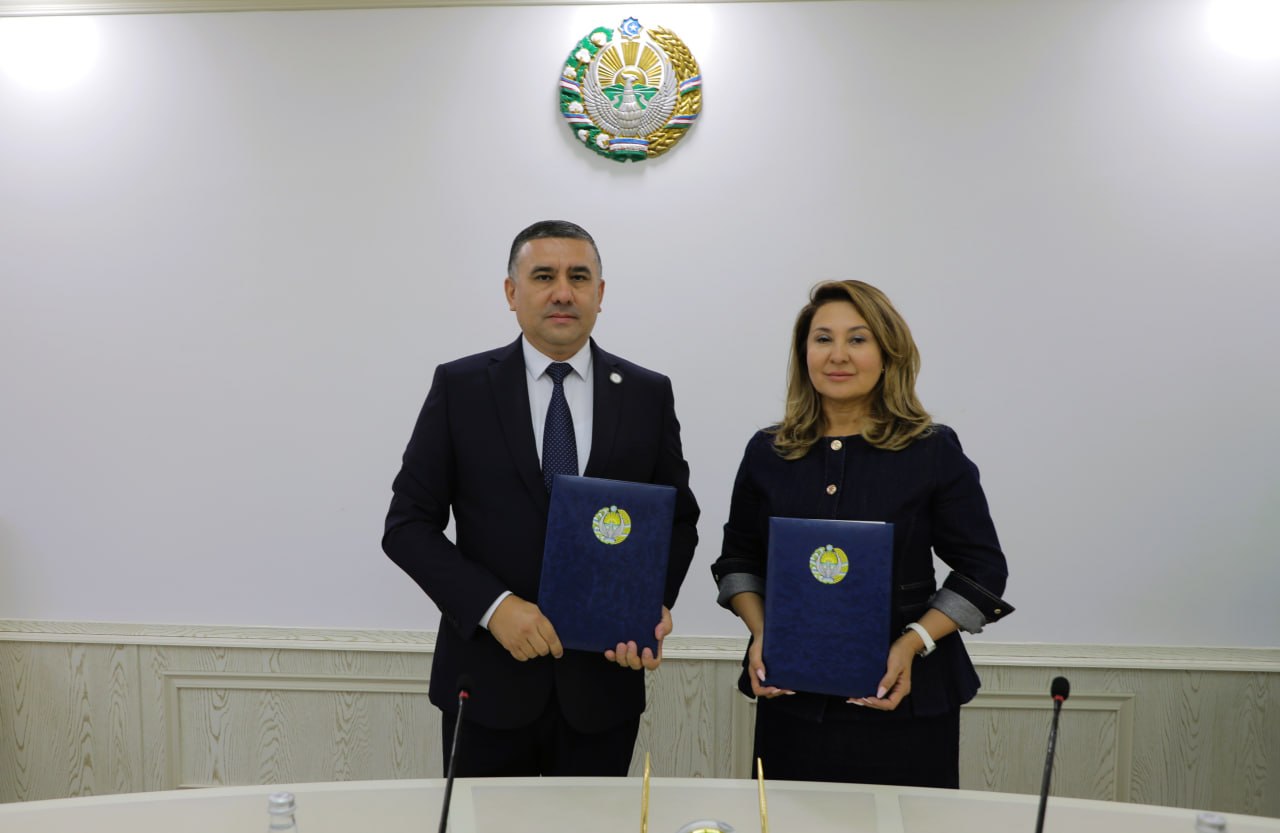
A Memorandum of Cooperation has been signed between the Academy of Justice of the Republic of Uzbekistan and the International Association of Businesswomen in Tashkent.
The Memorandum provides for the implementation of joint projects aimed at developing the integration of education and practice, building modern professional competencies, enhancing women’s legal literacy and professional potential, as well as providing legal and professional support to women entrepreneurs.
The cooperation will create new opportunities in the areas of practical education, expert activities, legal awareness, and support for women’s entrepreneurship.
Read More
An Important Psychological Training Session Was Held for Judges at the Tashkent Regional Court
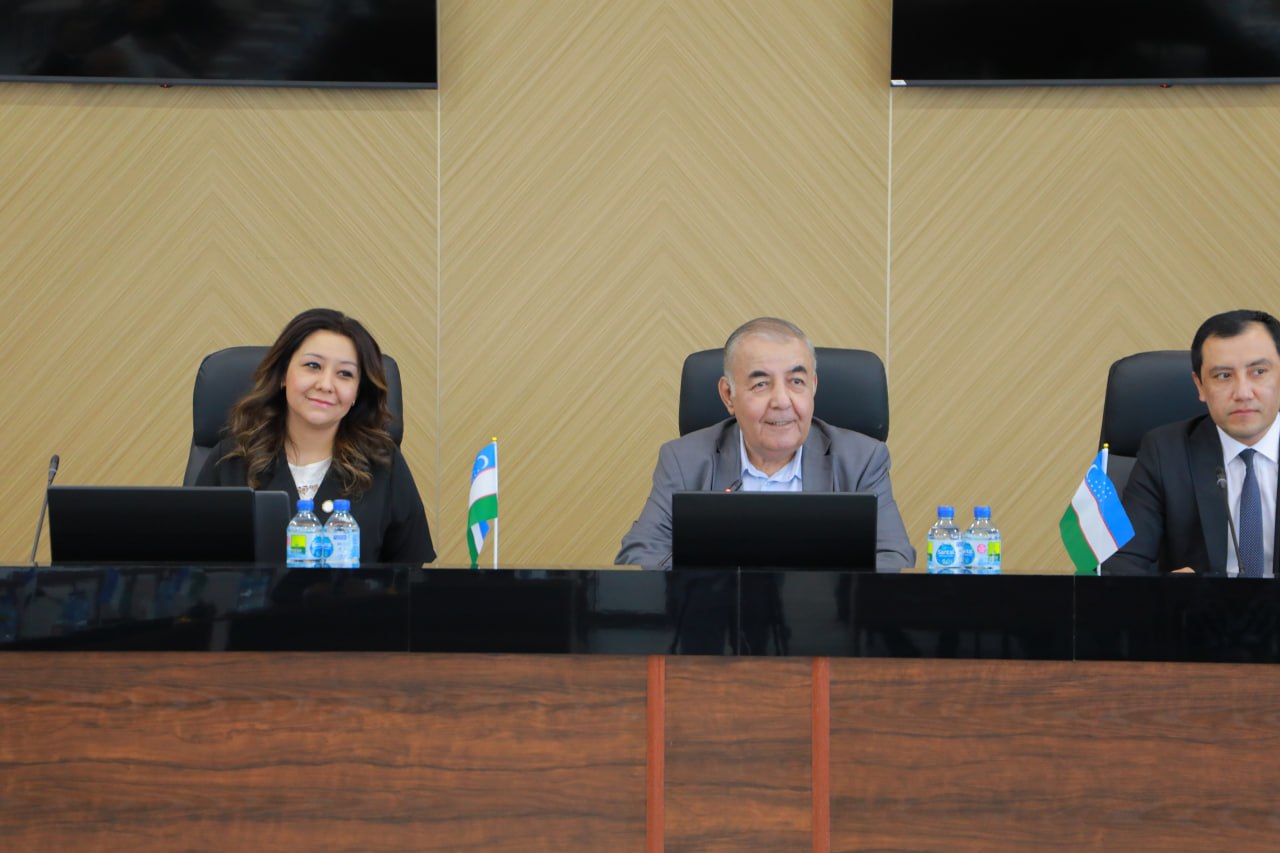
With the participation of a specialist from the Academy of Justice of the Republic of Uzbekistan, a master class and seminar-training on “Ensuring the Psychological Resilience of Judges” was organized at the Tashkent Regional Court.
The profession of a judge requires not only a thorough knowledge of the law, but also the ability to make sound decisions under high levels of stress and intense psychological pressure.
During the seminar, specialists and psychologists provided judges with practical recommendations on preventing emotional exhaustion in the workplace, managing emotions, and maintaining composure in challenging situations.
Key topics of the training included:
✅ Stress management: methods for overcoming psychological fatigue under a heavy workload.
✅ Conflict situations: maintaining composure when communicating with participants in court proceedings.
✅ Maintaining focus: preventing emotions from influencing decision-making and ensuring objectivity.
Such practical training sessions contribute not only to maintaining judges’ psychological well-being, but also to further improving the quality of justice in the region.
Read More
A Republican scientific and practical conference on the topic “Issues of improving inheritance law: foreign experience” was held
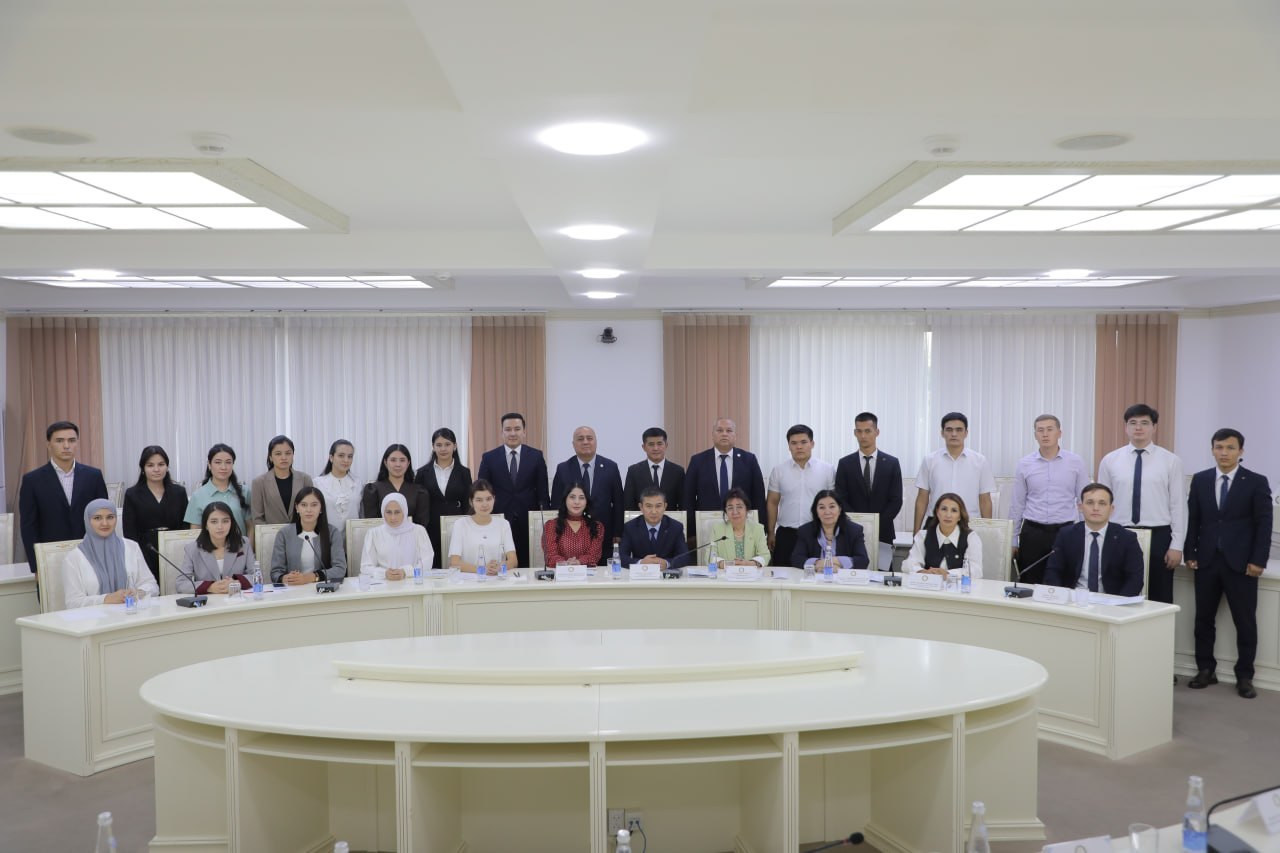
The Republican Scientific and Practical Conference on “Issues of Improving Inheritance Law: Foreign Experience” was organized by the Department of Civil Law Disciplines of the Academy of Justice of the Republic of Uzbekistan.
The event was attended by the Academy’s faculty members, judges, legal scholars, and practicing specialists in the field.
During the conference, participants discussed theoretical and practical aspects of inheritance law, existing challenges in the legal regulation of inheritance relations, issues arising in judicial practice, and opportunities to apply foreign experience in addressing these challenges.
Particular attention was also given to such topical issues as the judicial consideration of inheritance disputes, testamentary and intestate succession, compulsory shares, the inheritance rights of minors and children deprived of parental care, as well as the legal status of digital assets and digital inheritance.
Read More
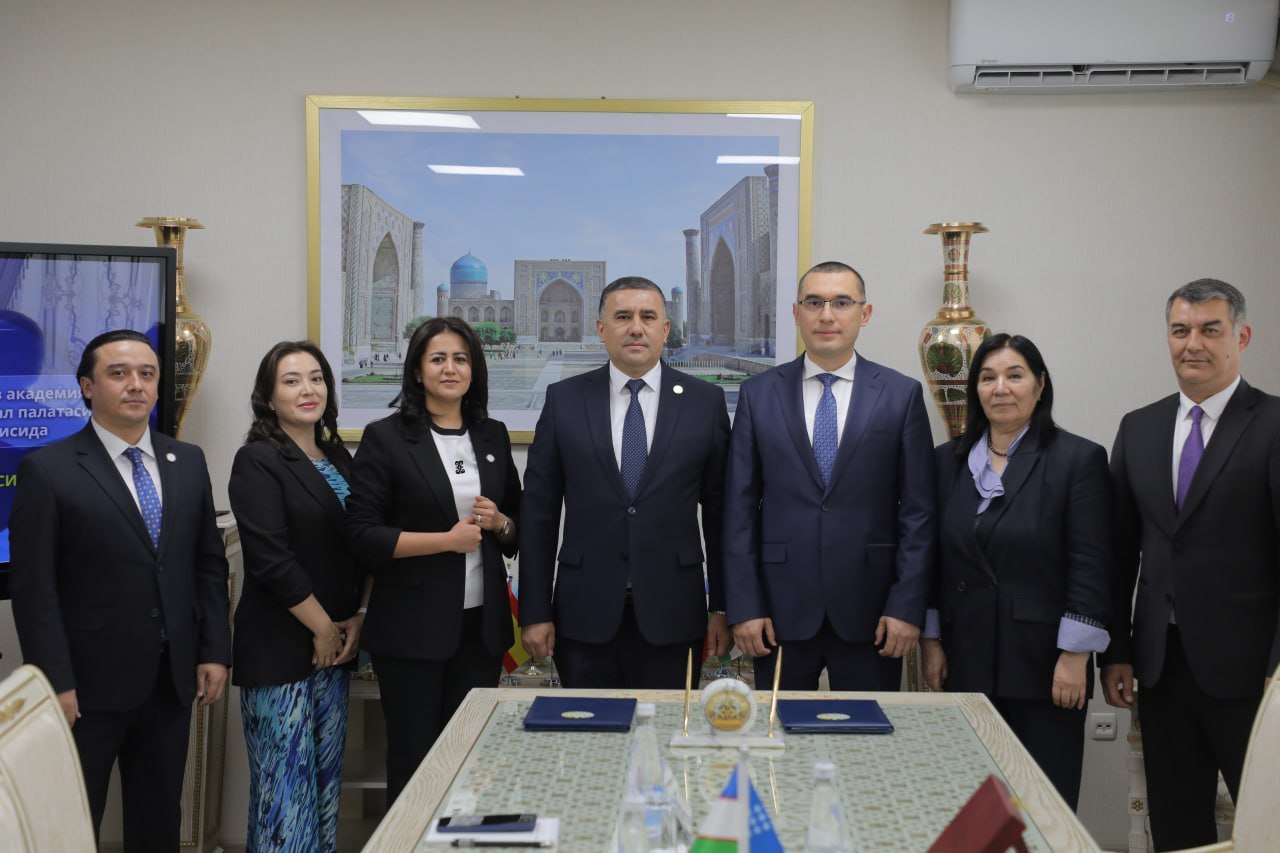
A New Stage of Cooperation Between the Academy of Justice and the Notarial Chamber
A Memorandum of Mutual Cooperation has been signed between the Academy of Justice of the Republic of Uzbekistan and the Notarial Chamber of the Republic of Uzbekistan.
The document is aimed at ensuring the integration of education, science, and practice, further strengthening cooperation between the judiciary and the notarial sector, and improving the process of training highly qualified legal professionals.
The cooperation will cover the following areas:
enhancing the knowledge and practical skills of judges, trainees, and representatives of the notarial sector;
conducting joint scientific and analytical research on relevant issues;
organizing professional development and training courses, seminars, round-table discussions, and scientific and practical events;
involving experienced notaries and highly qualified specialists from the Notarial Chamber in the Academy’s educational process;
developing trainees’ practical skills in the field of notarial practice.
Read More
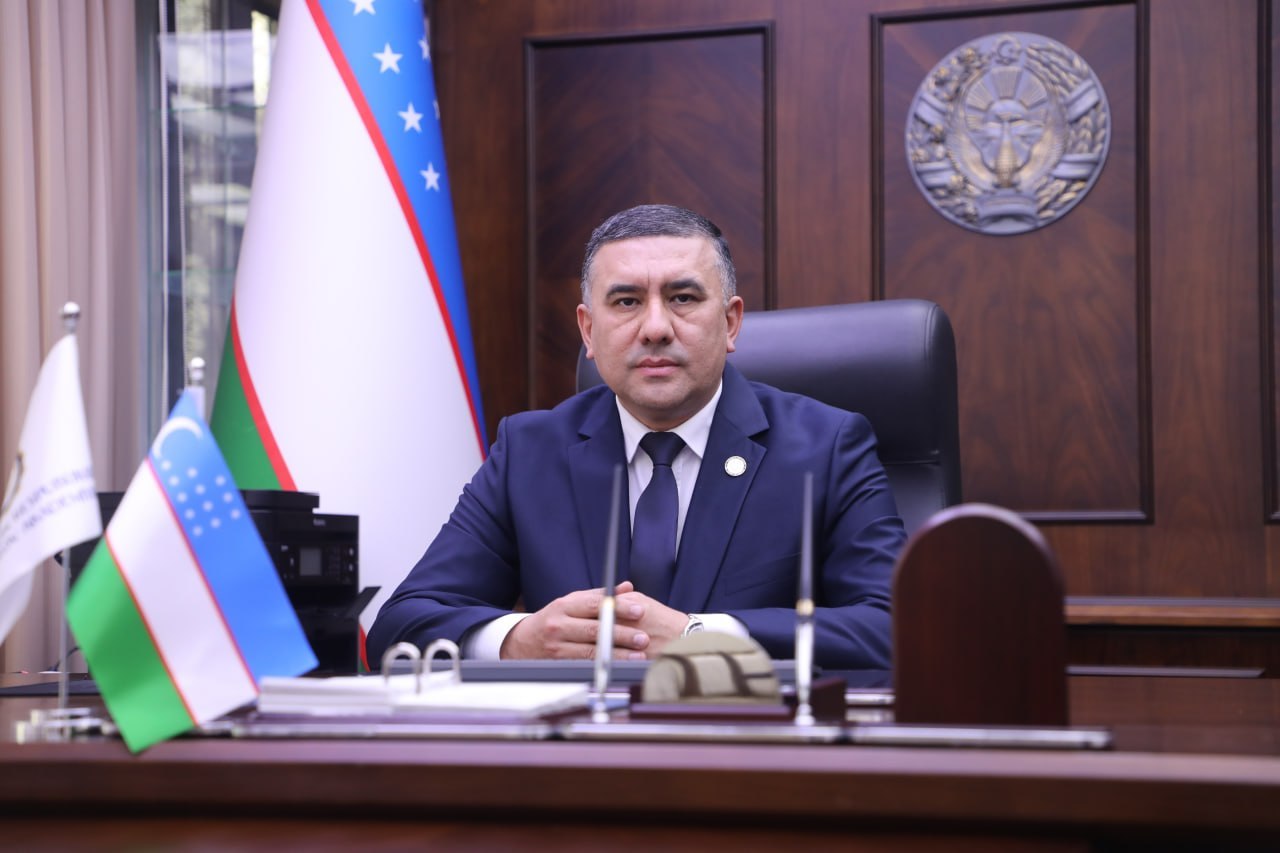
UzA has published a commentary by Sherzod Abduqodirov, Rector of the Academy of Justice of the Republic of Uzbekistan and Doctor of Legal Sciences.
The National News Agency of Uzbekistan — UzA has published a commentary by Sherzod Abduqodirov, Rector of the Academy of Justice of the Republic of Uzbekistan and Doctor of Legal Sciences, entitled “What Liability Has Been Established for Interfering in Investigations or the Adjudication of Court Cases and for Contempt of Court?”
The event addressed the substance and significance of the amendments introduced, pursuant to the Law dated September 11, 2026, to Article 236 of the Criminal Code and Article 180 of the Code of the Republic of Uzbekistan on Administrative Responsibility.
In particular, the discussion covered the classification of acts involving unlawful interference in investigative activities and the adjudication of court cases as separate criminal offenses, the establishment of enhanced liability for interference by officials through the use of their official position, as well as the extension of liability for contempt of court — in addition to acts committed during a court hearing, to acts of contempt committed within the court building as well.
It was noted that these amendments will contribute to further strengthening the independence of the judiciary, protecting the administration of justice from any unlawful influence, and ensuring the authority and prestige of the courts.
More details: Read on the UzA website
Read More

Issues of the “Justice – 2030” Strategy and the Scientific Analysis of Judicial Practice
An article by Avazbek Yuldoshbekov, lecturer at the Department of Human Rights, International Law and Social Sciences and Humanities of the Academy of Justice of the Republic of Uzbekistan, has been published in the “Yangi O‘zbekiston” newspaper. The article focuses on the “Justice – 2030” Strategy and issues related to the scientific analysis of judicial practice.
The article examines the tasks outlined in Presidential Decree No. PF–160 of August 14, 2026, entitled “On the ‘Justice – 2030’ Strategy: On Building a People-Centered and Fair Judicial System in New Uzbekistan that Reliably Protects Human Rights.” Particular attention is paid to establishing uniform judicial practice, increasing the openness of judicial activities, and conducting scientific analysis of judicial practice.
The article also proposes establishing a “Research Center for the Analysis of Judicial Practice” at the Academy of Justice, regularly analyzing judicial statistics, studying trends in annulled and modified court decisions, and developing scientifically grounded recommendations for improving legislation in the judicial and legal sphere.
As noted in the article, this will create opportunities for the scientific analysis of judicial practice, ensuring a strong link between the educational process and practical work, and developing educational programmes based on problems identified in real-world judicial practice.
Read More

The Academy of Justice and the Youth Union of Uzbekistan Signed a Memorandum of Cooperation
The Memorandum of Understanding signed between the Academy of Justice of the Republic of Uzbekistan and the Central Council of the Youth Union of Uzbekistan is significant as it is aimed at enhancing the legal culture of young people and ensuring their active participation in society.
The Memorandum is expected to contribute to further developing dialogue between the two organizations, enhancing young people’s legal knowledge and skills, expanding their participation in judicial and legal reforms, and implementing joint projects focused on youth engagement.
The Memorandum also provides for joint efforts to organize legal awareness-raising activities, educational projects, seminars and training sessions for young people, exchange best practices, and support promising initiatives.
Read More
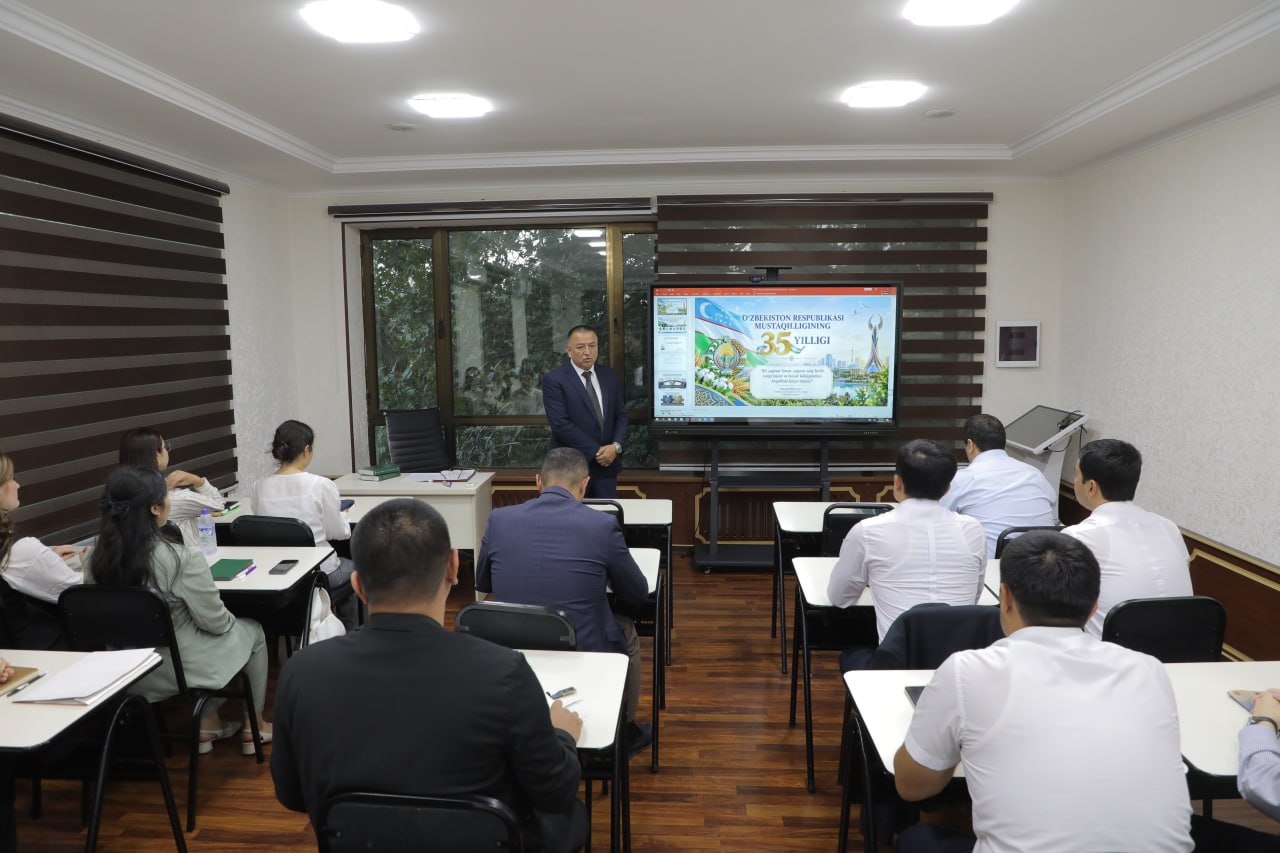
Classes Have Begun for Master’s Students in the Evening Programme
Today, classes within the new academic process were organized at the Academy of Justice for Master’s students enrolled in the evening programme.
One of the classes was conducted by T. Obidov, Head of the Department of Criminal Law Disciplines at the Academy.
As part of the “Independence Lesson”, the Master’s students were provided with detailed information on the reforms implemented in the judicial system of the Republic of Uzbekistan during the years of independence, particularly over the past 35 years, their substance and significance, as well as the results achieved.
Special attention was paid to the consistent reforms aimed at improving the judicial and legal system, ensuring the independence of the judiciary, and providing reliable protection of citizens’ rights and freedoms.
The session was conducted in an engaging and informative format, featuring questions and answers as well as an exchange of views.
The commencement of Master’s classes in the evening programme will contribute to deepening students’ theoretical knowledge, integrating it with practical experience, and further enhancing their professional capacity.
Read More

RECOMMENDED BOOKS FOR JUDGES
The work of a judge requires not only profound legal knowledge, but also analytical thinking, an understanding of human nature, effective time management, strong communication skills, and continuous professional development.
For this purpose, the Information and Resource Centre of the Academy of Justice recommends the following books for judges.
📖 FICTION AND LEGAL-PHILOSOPHICAL LITERATURE
1️⃣ The Count of Monte Cristo — Alexandre Dumas
A novel about justice, revenge, forgiveness, and human destiny. It encourages readers to reflect on the delicate boundary between justice and personal revenge.
2️⃣ Crime and Punishment — Fyodor Dostoevsky
Explores in depth the legal and moral dimensions of guilt, conscience, punishment, and responsibility.
3️⃣ The Trial — Franz Kafka
Encourages reflection on justice, procedural safeguards, individual rights, and the impact of bureaucracy on human lives.
4️⃣ 1984 — George Orwell
Addresses issues such as state power, individual freedom, surveillance, and control over information.
5️⃣ And Then There Were None — Agatha Christie
A famous detective novel that encourages the analysis of evidence, comparison of different possibilities, and identification of connections between events.
6️⃣ The Spirit of the Laws — Charles-Louis de Secondat, Baron de Montesquieu
A fundamental work devoted to the separation of powers, the nature of laws, and the legal foundations of government. It is an important source for gaining a broader understanding of the role of the judiciary in the state and society.
⏳ BOOKS FOR PROFESSIONAL DEVELOPMENT
7️⃣ Time Management — Dr. Ibrahim Al-Fiqi
Focuses on making effective use of time, setting priorities, and organising daily activities efficiently.
8️⃣ Time Management — Brian Tracy
Presents practical approaches to prioritising tasks, reducing time loss, and improving work efficiency.
9️⃣ Deep Work: Rules for Focused Success in a Distracted World — Cal Newport
Helps readers develop concentration, reduce distractions, and perform complex intellectual tasks more effectively.
🔟 Atomic Habits — James Clear
Explains the principles of building an effective work system through small, consistent habits and achieving long-term results.
1️⃣1️⃣ The Art of Oratory — Cicero
Highlights principles related to prioritisation, responsibility, effective communication, leadership, and continuous development.
1️⃣2️⃣ The Art of Public Speaking — Rahimboy Jumaniyozov
Helps develop the ability to express ideas clearly, fluently, and persuasively, while strengthening speech culture and effective communication with an audience. It is particularly useful for developing a judge’s professional communication and speaking skills.
1️⃣3️⃣ Artificial Intelligence: How to Understand It — Richard Susskind
Written in an accessible and engaging style, this book will appeal both to professionals who are familiar with artificial intelligence and concerned about its consequences, and to general readers who need to understand the scale of the profound changes taking place around us. It is a book that everyone interested in the artificial intelligence revolution should read.
All of the above-mentioned books are available in Uzbek.
A judge’s professional competence is not limited to knowledge of the law. Reading fiction, legal and philosophical works, as well as professional literature, contributes to the development of analytical thinking, a deeper understanding of human nature, and the continuous improvement of professional skills.
Read More