News
Effective Use of International Scientific Databases and Artificial Intelligence Capabilities Discussed
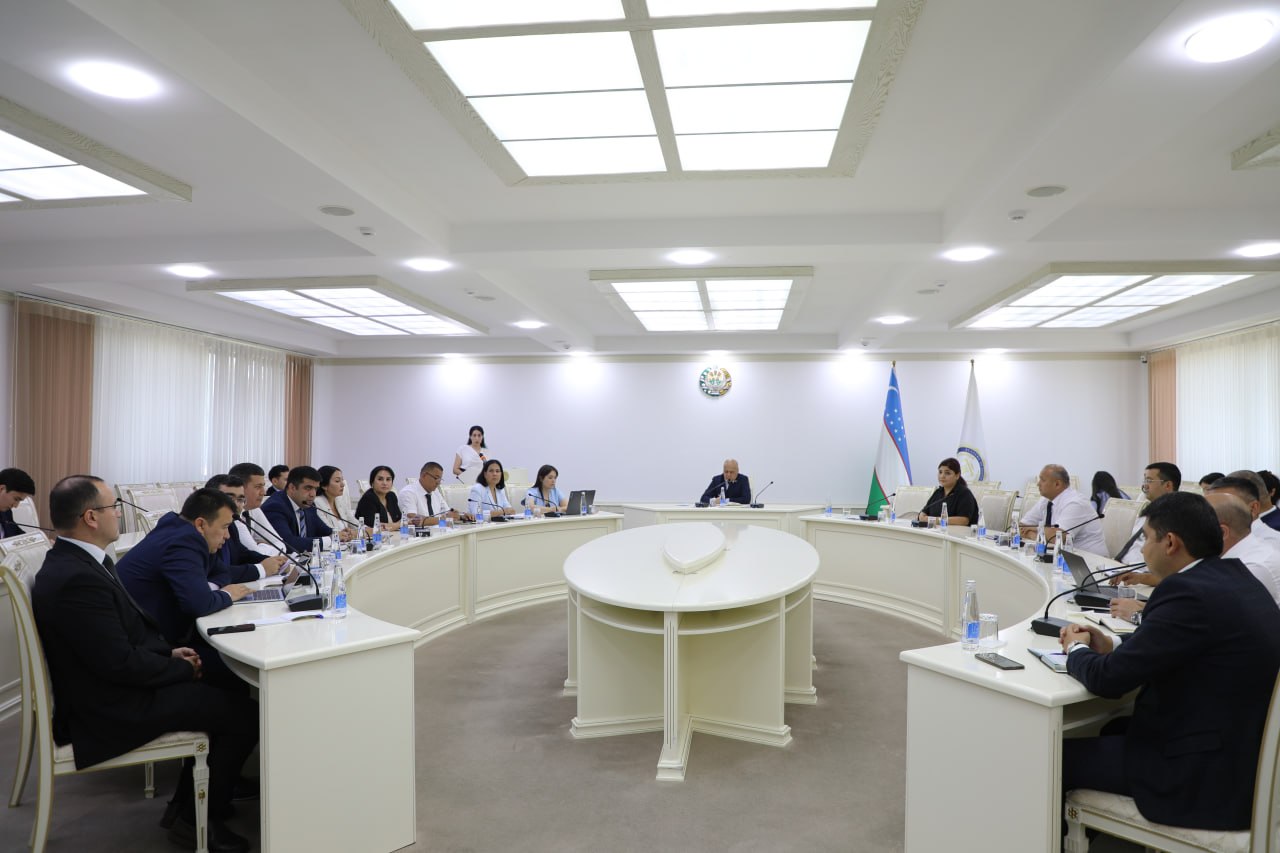
A seminar-training entitled “Developing the Practice of Using International Databases such as Scopus, Web of Science and Springer Nature in Working with Information Resources” was held at the Academy of Justice in cooperation with the Scientific and Technical Information Center under the Agency for Innovative Development.
As part of the seminar-training, Khilola Saloeva, Chief Specialist of the Department of Scientific Editorial and Publishing Affairs, Editor-in-Chief of the international scientific and technical journal “Science and Innovative Development”, and Doctor of Philosophy (PhD), delivered a lecture on “Proper Use of Artificial Intelligence Capabilities in Preparing and Formatting Scientific Articles.”
During the session, practical recommendations were provided on the targeted and responsible use of artificial intelligence tools in preparing and formatting scientific articles, working with scientific sources, analyzing information, and presenting research findings in accordance with international requirements.
The event concluded with an exchange of views on issues of interest to the participants, followed by a question-and-answer session.
Read More
Further Development of Cooperation Discussed
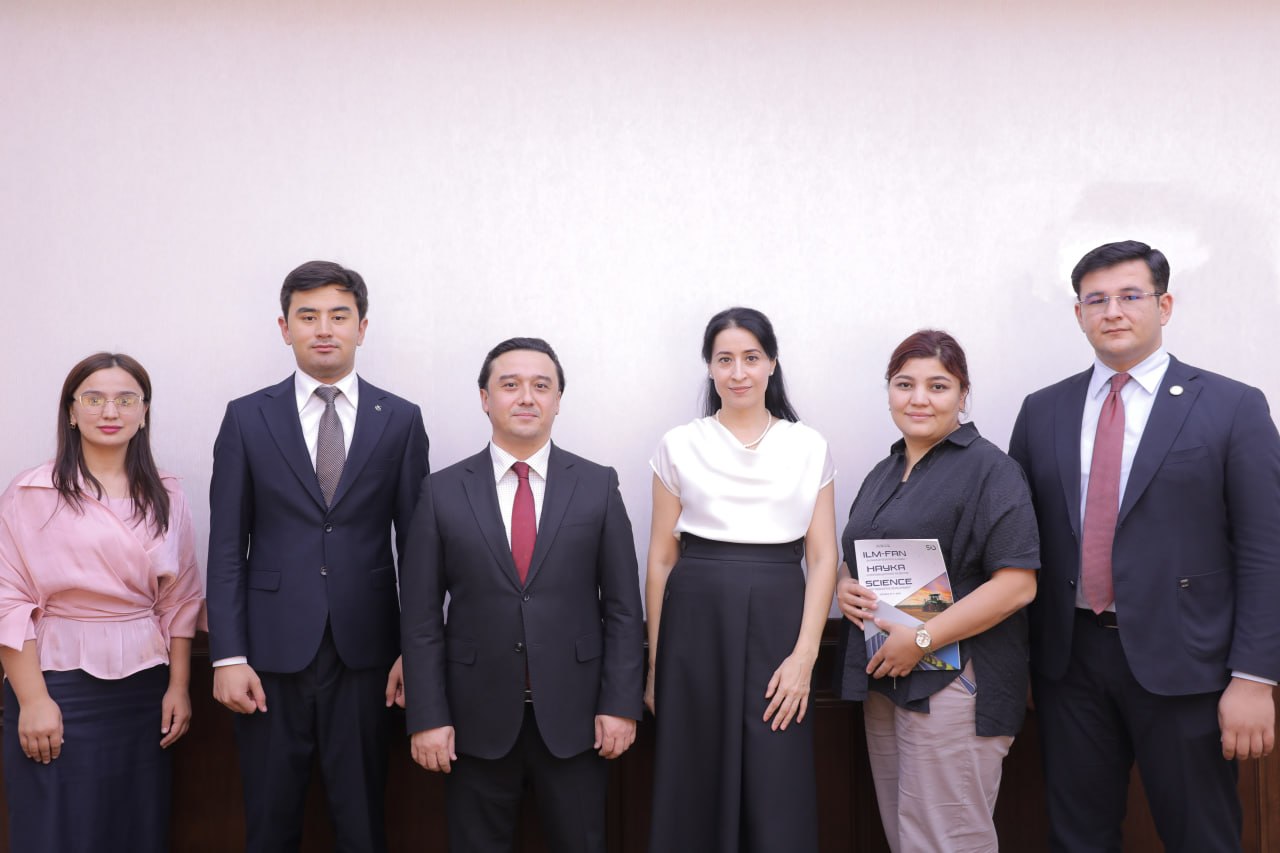
Following the seminar-training held at the Academy of Justice in cooperation with the Scientific and Technical Information Center under the Agency for Innovative Development, a meeting was organized with N. Salayev, Vice-Rector of the Academy of Justice of the Republic of Uzbekistan for Scientific Affairs, Innovation and Information-Analytical Activities.
During the meeting, the parties discussed further development of cooperation between the two organizations, implementation of joint initiatives in scientific and information-analytical areas, support for research activities, and the effective use of modern information resources and digital opportunities.
The participants also exchanged views on regularly organizing practical seminars, training sessions and other joint projects for specialists, sharing experience, and taking mutually beneficial cooperation to a new level.
At the conclusion of the meeting, the parties agreed to continue their cooperation consistently and implement new joint initiatives.
Read More
The First Academic Year of the Practical Master’s Programme Has Begun at the Academy of Justice
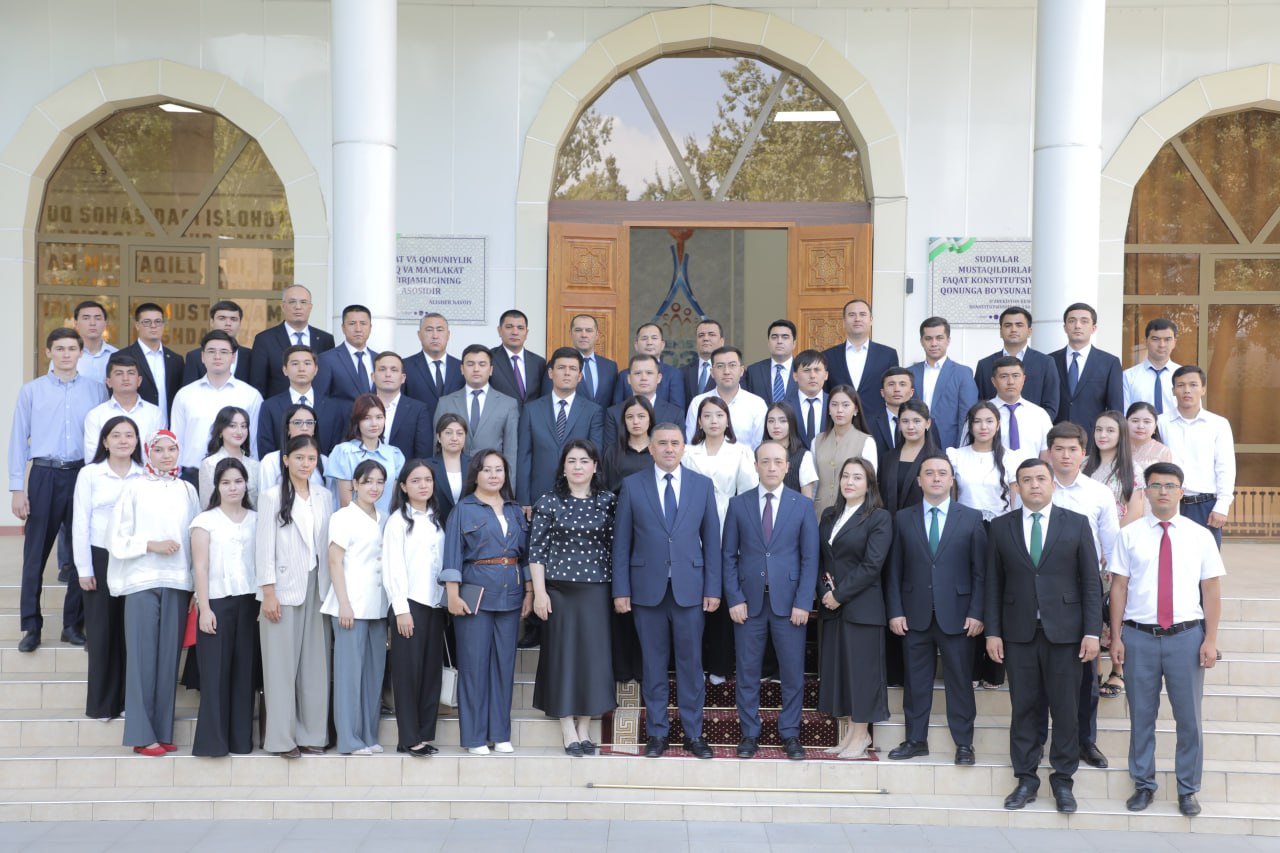
The Academy of Justice of the Republic of Uzbekistan held an opening ceremony for the new academic year for students admitted to the Practical Master’s programme in the specialty “Judicial Activity.”
This Practical Master’s programme was launched for the first time from the 2026/2027 academic year in accordance with Presidential Decree No. PF–141 of August 21, 2025, entitled “On Measures to Fundamentally Improve the System for Training Highly Qualified Personnel in the Field of Justice.”
As part of the implementation of the Decree, the admission process for the Practical Master’s programme in “Judicial Activity” was organized pursuant to the Regulation “On the Procedure for Admission to the Master’s Programme of the Academy of Justice of the Republic of Uzbekistan,” approved by Resolution No. 327 of the Cabinet of Ministers of the Republic of Uzbekistan dated June 25, 2026.
During the admission campaign, a total of 872 applicants submitted their documents through the my.edu.uz electronic platform. Of these, 699 were external applicants and 173 were internal applicants.
External applicants were selected based on the average score reflected in their bachelor’s degree, while internal applicants underwent a competitive selection process based on specialized subjects and, in cases where they did not possess a national or international certificate confirming their foreign-language proficiency, through foreign-language testing.
Following the selection process, a total of 61 applicants were admitted to the Practical Master’s programme in full-time and evening formats.
At the opening ceremony, the Rector of the Academy of Justice congratulated the newly admitted students on embarking on a new stage in their professional development. He particularly emphasized the goals and objectives of the Practical Master’s programme and its importance in training highly qualified professionals equipped with modern knowledge and practical skills for the judicial and legal sector.
Representatives of the Academy also provided detailed information on the organization of the educational process, the distinctive features of the programme, and the conditions and opportunities created for students.
As part of the event, an introductory tour of the Academy was organized for the newly admitted students. They visited modern classrooms, learned about the activities of the Information Resource Center, and became acquainted with the courtroom simulation room designed for the practical study of judicial proceedings, as well as the activities and opportunities available at the Pro Bono Legal Clinic.
The Practical Master’s programme provides for classes delivered with the participation of leading representatives of the judicial and legal sector, experienced judges, prominent legal scholars, and qualified specialists, with a focus on integrating theoretical knowledge with practical skills.
At the conclusion of the event, a commemorative group photograph was taken with the participation of the newly admitted students.
Read More
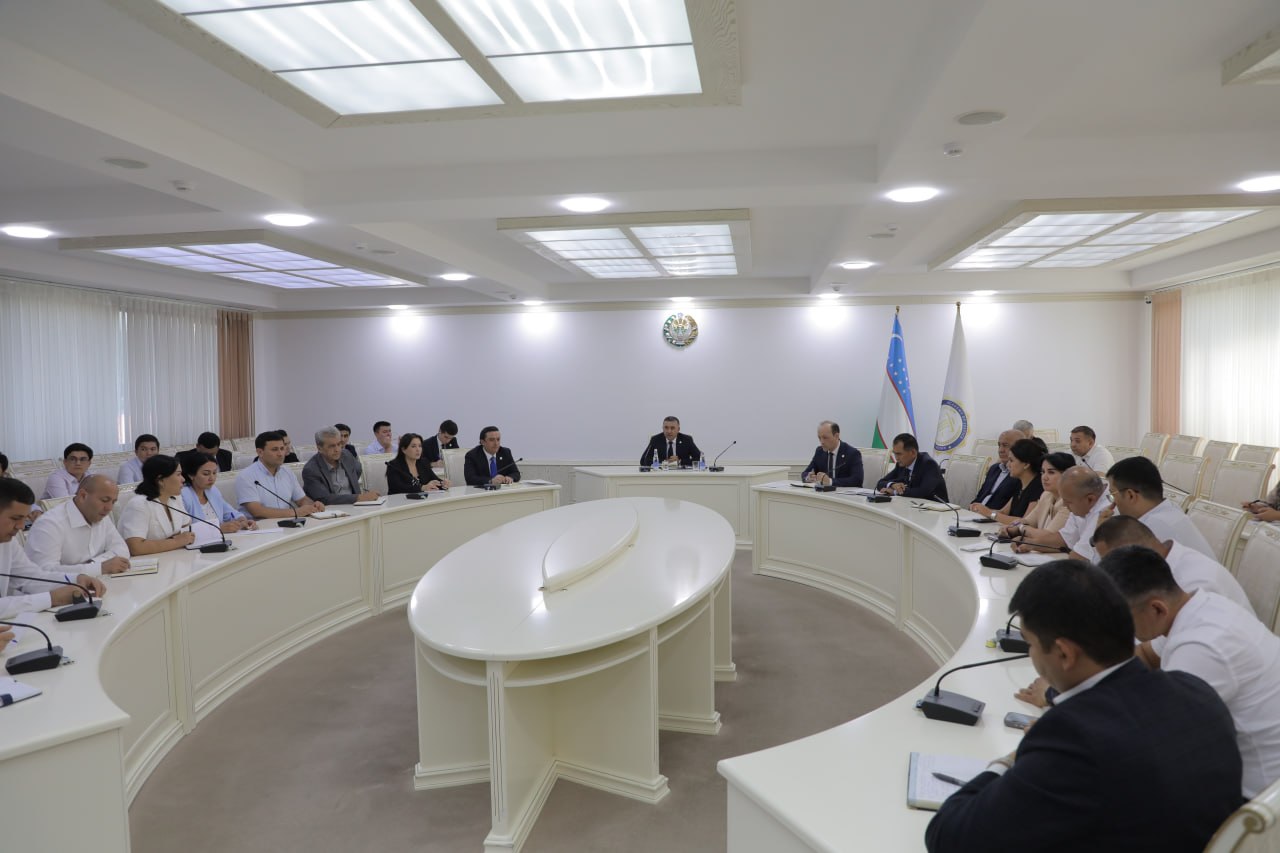
ACADEMY OF JUSTICE — TOWARDS A NEW ACADEMIC YEAR, NEW GOALS AND NEW ACHIEVEMENTS
Today, an extended strategic meeting was held at the Academy of Justice under the chairmanship of the Rector ahead of the new academic year.
The meeting focused extensively on taking the Academy’s activities to a qualitatively new level, aligning the educational process with the modern needs of judicial practice, increasing the effectiveness of scientific research, supporting innovative ideas and projects, and strengthening the Academy’s role and influence in the international scientific community.
The strategic goal through 2030 is to transform the Academy of Justice from a traditional educational institution into a modern Justice Research & Innovation Hub.
In other words, the Academy should become a new-generation scientific and innovation centre that not only provides knowledge, but also:
— creates new knowledge and scientific solutions for judicial practice;
— forecasts future trends in the field of justice;
— tests innovative ideas and technologies and introduces them into practice;
— actively contributes to shaping the national and international scientific agenda.
During the meeting, specific tasks, priority areas and performance criteria were assigned to structural divisions and responsible staff members to translate the strategic goals into tangible results.
The new academic year is not simply a new academic period. It marks the beginning of a new stage in the development of the Academy of Justice towards 2030.
Read More
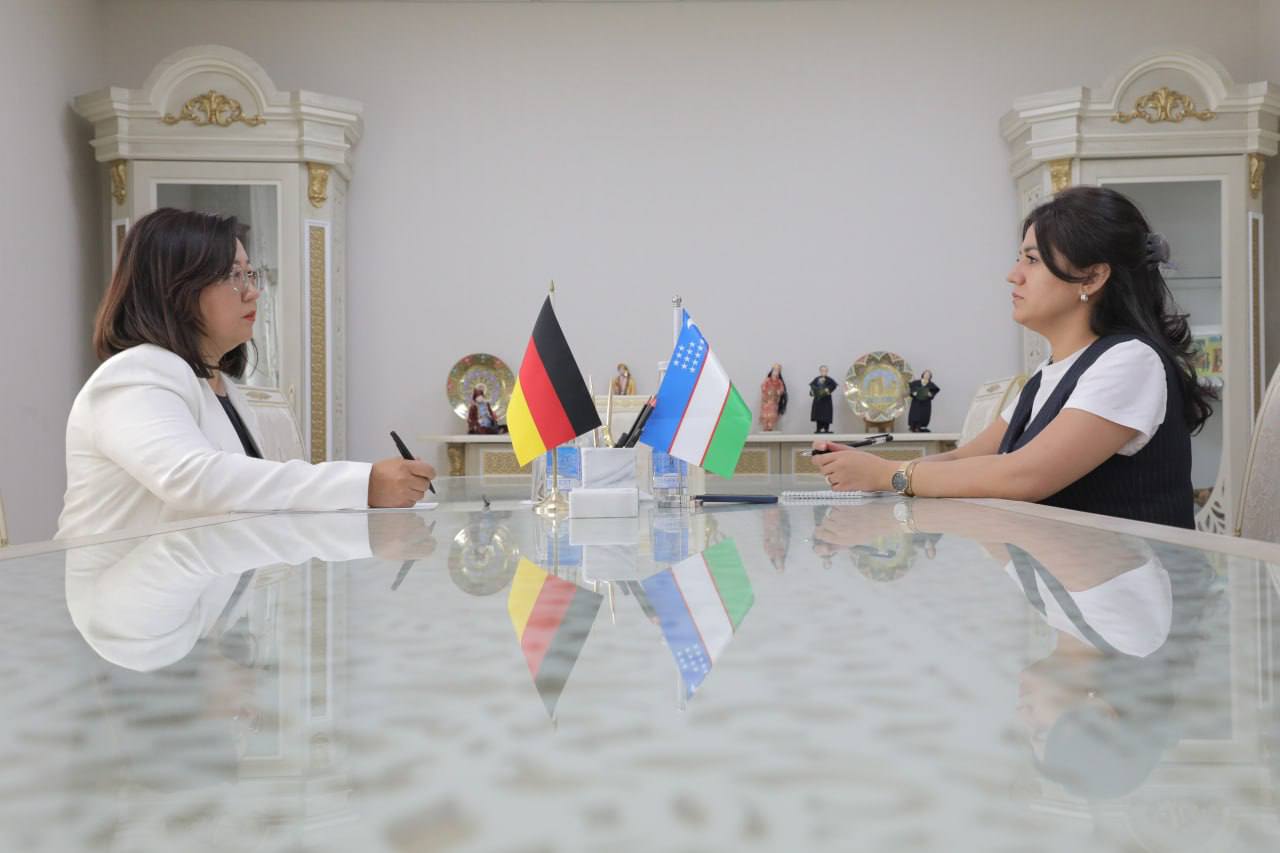
Prospects for Cooperation with the University of Münster Discussed
Project Coordinator of the University of Münster in Uzbekistan Visits the Academy of Justice
Nigora Isroilova, Project Coordinator of the University of Münster (Germany) in Uzbekistan, visited the Academy of Justice.
During the meeting with representatives of the Academy’s Department of International Cooperation, the parties discussed expanding bilateral cooperation, organizing a “Winter School” programme for professional development in Germany, as well as engaging professors and lecturers from the University of Münster in the Academy’s educational process in both online and offline formats.
The meeting concluded with specific agreements reached on promising areas of further cooperation.
Read More
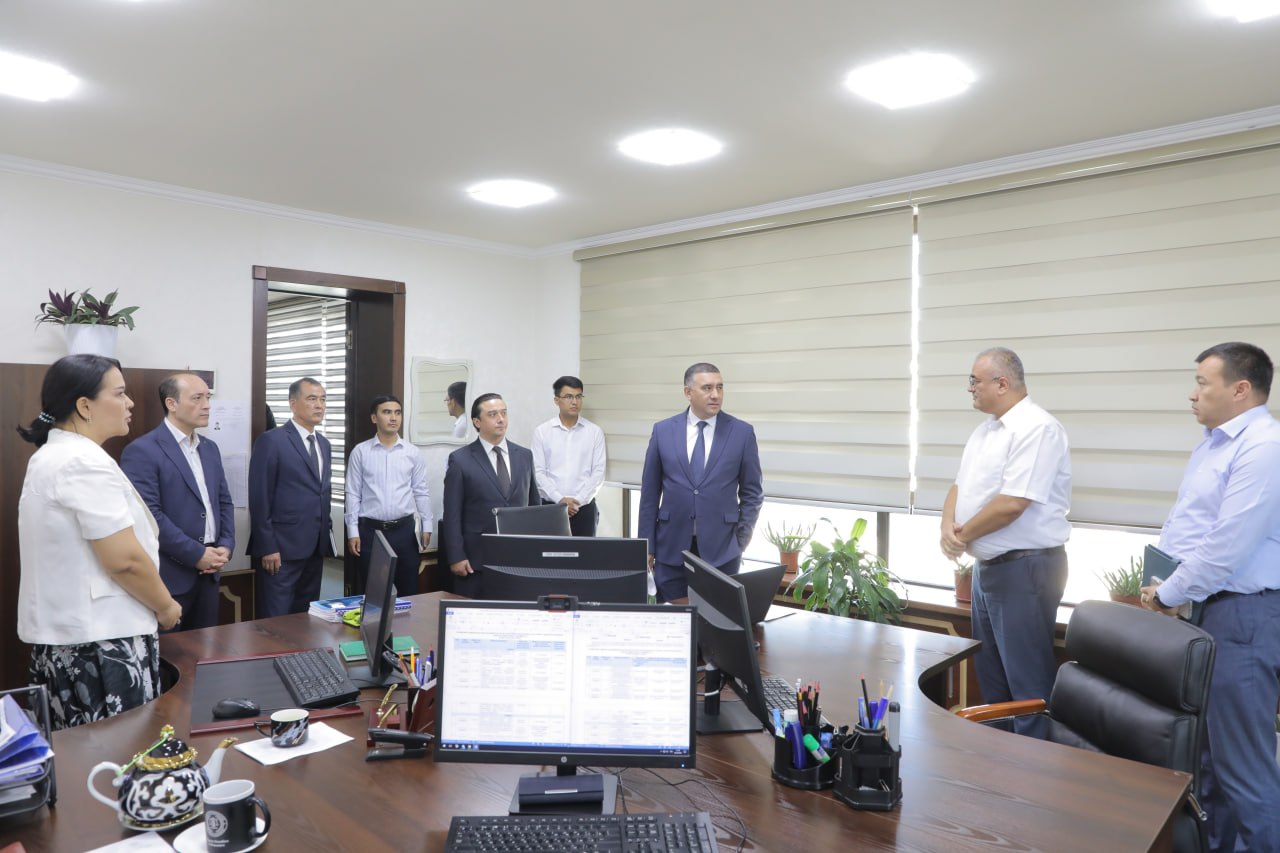
Activities of the Departments Reviewed Ahead of the New Academic Year
Today, officials led by the Rector of the Academy of Justice of the Republic of Uzbekistan reviewed the activities of the Academy’s departments and assessed their readiness for the new academic year.
During the review, the Rector visited the departments and held direct discussions with faculty members and staff. Particular attention was given to their current activities, preparations for the new academic year, working conditions, available facilities and technical resources, as well as their proposals and feedback.The discussions focused on ensuring the effective organization of the educational process, improving curricula and teaching materials, strengthening the Academy’s research capacity, and introducing modern teaching methods and best practices more broadly into the learning process.The Rector acknowledged the achievements and results of the faculty members and provided recommendations on addressing existing shortcomings, encouraging greater initiative, enhancing the effectiveness of academic and teaching activities, and applying modern knowledge and technologies in practice.Following the review, priority tasks were identified to further strengthen the departments’ readiness for the new academic year, improve the quality of education and research, and enhance the conditions necessary for the effective work of faculty members.
Read More
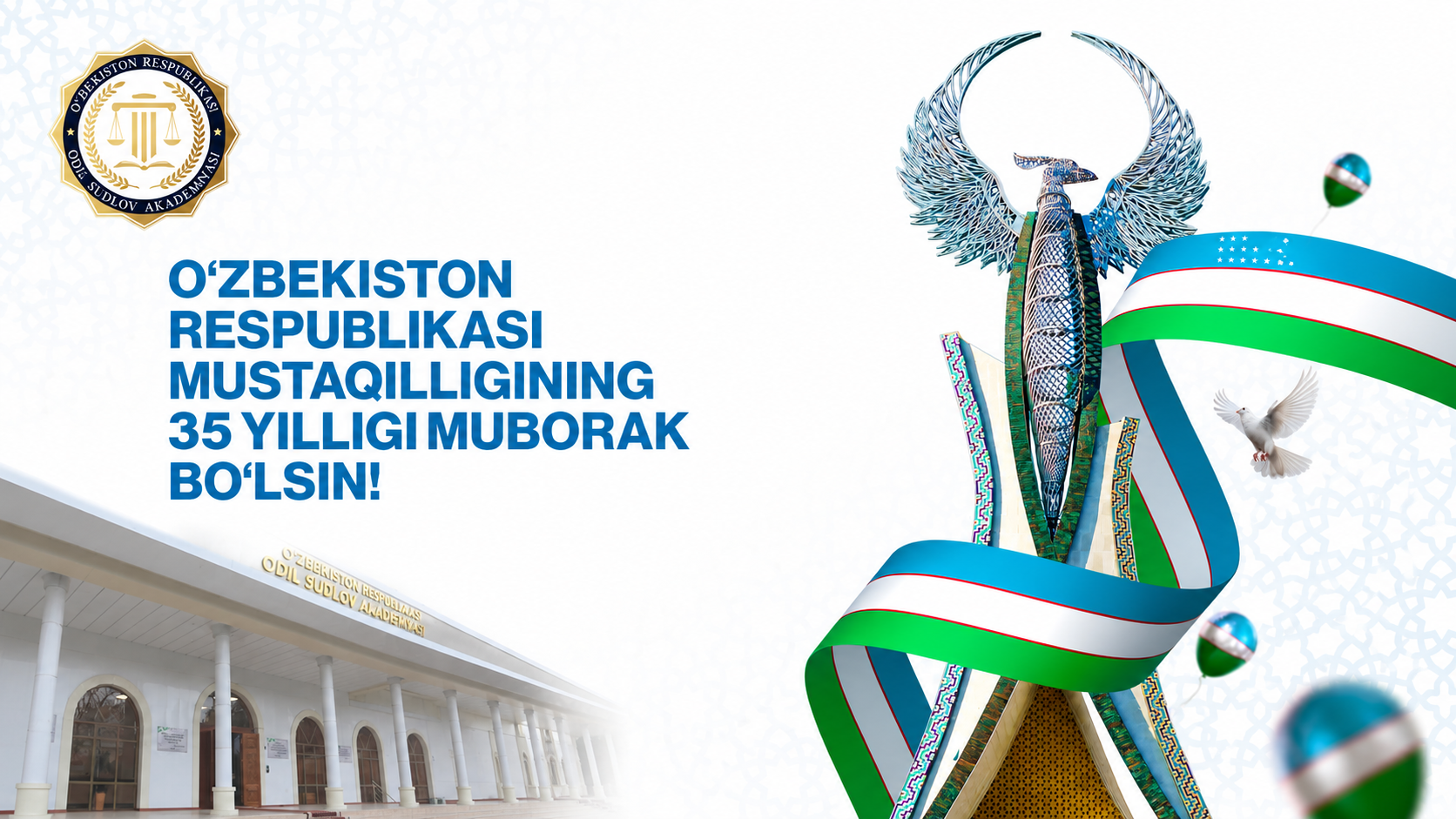
We sincerely congratulate you on the 35th anniversary of the state independence of our beloved Motherland — the Republic of Uzbekistan
Independence is the solid foundation of our people’s free and prosperous life, national statehood, peace and stability, and sustainable development. Today, the large-scale reforms being implemented in our country to ensure human dignity, the rule of law, and the principles of justice are a practical expression of the great opportunities provided by our independence.
On this glorious occasion, we wish you all good health, family happiness and prosperity, peace and abundance in your homes, peace in our country, well-being for our people, and new achievements and victories.
❕ May our independence be eternal, and may our Motherland always be peaceful and prosperous!
The Team of the Academy of Justice of the Republic of Uzbekistan
Read More
“National Dialogue”: Cooperation Between the Judiciary and the Media Discussed
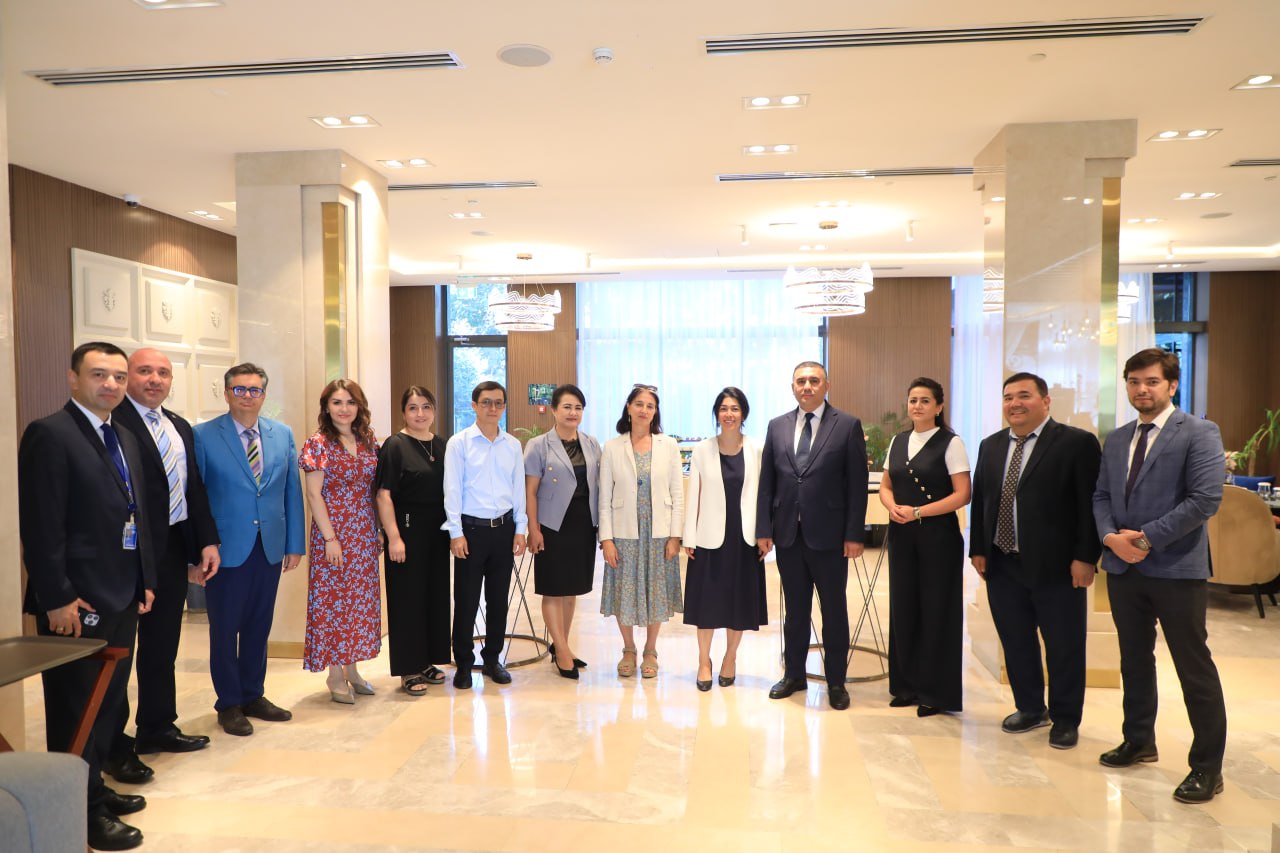
On 27 August 2026, Tashkent hosted the “National Dialogue”, an event aimed at strengthening cooperation among the judiciary, law enforcement agencies, journalists, and bloggers.
The event reviewed the activities carried out and the results achieved within UNESCO’s capacity-building programme for judges and prosecutors in Uzbekistan.The opening session featured remarks by Sara Noshadi, Head of the UNESCO Office in Uzbekistan, Ursula Keller Alazawwi, Deputy Head of SDC, and Sherzod Abdukodirov, Rector of the Academy of Justice, who emphasized the importance of cooperation in this area.In particular, Rector Sh. Abdukodirov noted that projects implemented jointly with UNESCO have played an important role in strengthening the knowledge and skills of judges and legal professionals in the areas of freedom of expression, the right of access to information, effective communication with journalists, and the application of international standards in judicial practice.It was noted that in 2025–2026, training sessions were conducted for 310 judges and academic staff across 10 regions of Uzbekistan, and a special training module on freedom of expression and access to information for judges was developed.The event also featured an exchange of views on journalist safety, artificial intelligence, and the rule of law, while further areas of cooperation were identified.
Read More
The 35th Anniversary of Uzbekistan’s Independence Was Celebrated at the Academy of Justice
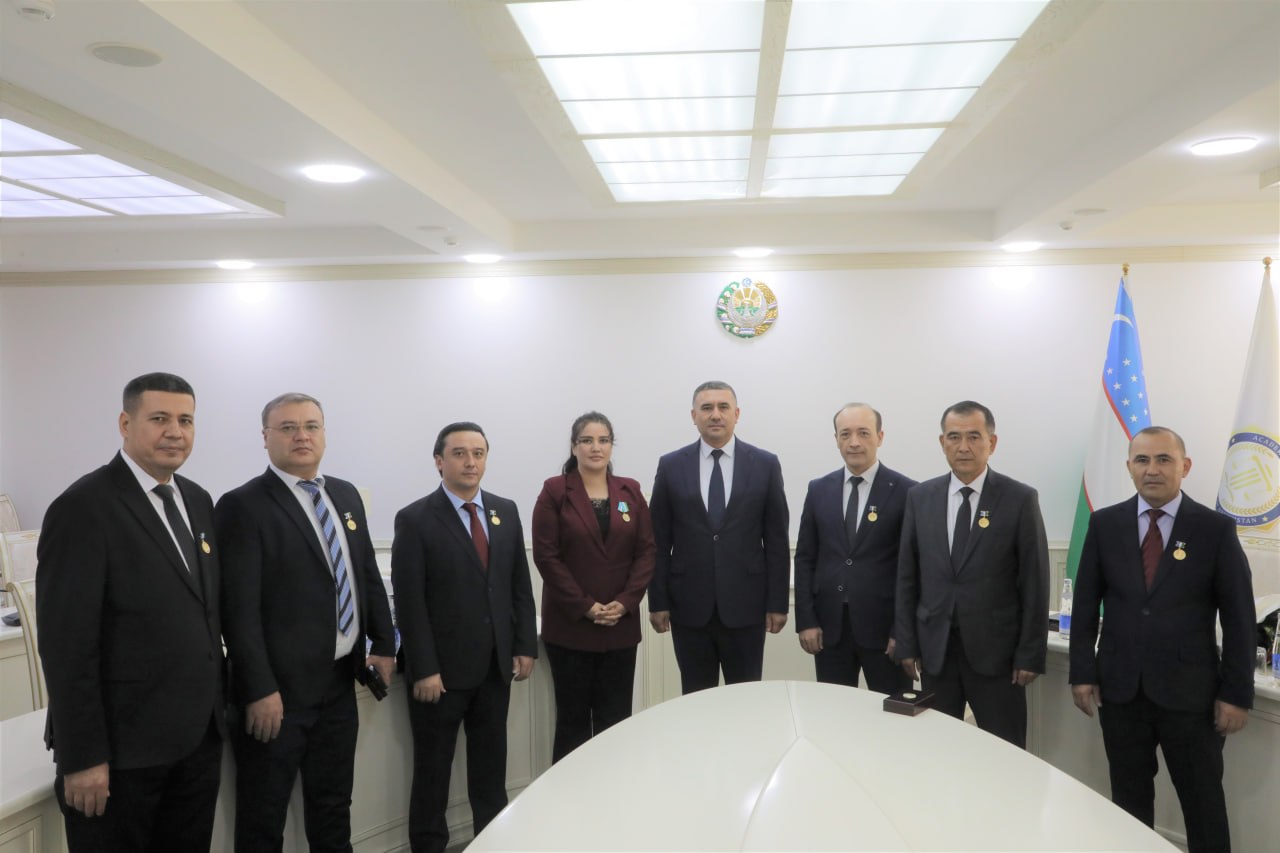
A solemn event dedicated to the 35th anniversary of the state independence of the Republic of Uzbekistan was held at the Academy of Justice by the Supreme Council of Judges of the Republic of Uzbekistan.
The event was attended by the leadership of the Supreme Council of Judges and the Academy of Justice, judges, court staff, veterans of the field, and representatives of the mass media.
The event was opened by H. Yodgorov, Chairman of the Supreme Council of Judges, who congratulated the participants on Independence Day. In his speech, he highlighted the wide-ranging judicial and legal reforms being carried out in the country under the leadership of the President, with particular emphasis on strengthening the independence of the judiciary and ensuring reliable protection of human rights and freedoms.
In accordance with the relevant Decree of the President of the Republic of Uzbekistan dated 22 August 2026, Khusniddin Lutfidinovich Kamolov, a judge of the Supreme Council of Judges, and Irodakhon Botirjonovna Bakirova, Press Secretary of the Academy of Justice, who were awarded the “Shuhrat” Medal, were once again warmly congratulated by their colleagues.
A group of judges and employees were also solemnly presented with the commemorative badge “35th Anniversary of the Independence of the Republic of Uzbekistan”, while veterans of the judicial system were awarded the “Veteran of the Judiciary” badge.
The award recipients expressed their sincere gratitude for the high recognition. They particularly emphasized the great attention and care demonstrated by the Head of State toward the judicial and legal system and its representatives, as well as their appreciation for the continuous support provided by the leadership of the Supreme Council of Judges and the Academy of Justice and the conditions created for professional development and effective work.
As was emphasized, such high recognition inspires representatives of the field to serve with even greater responsibility and dedication in ensuring justice, strengthening the rule of law, and reliably protecting human rights.
The gathering also congratulated F. Mukhiddinova, a prominent legal scholar, stateswoman, and mentor to many lawyers, on her birthday, extending sincere good wishes to her.
Read More