
Mediation in Family Disputes: The Experience of Japan

In Japan, mediation in family disputes (Japanese: chōtei) constitutes an integral component of the judicial system. Unlike the family legislation of Uzbekistan, Japanese law requires mandatory pre-trial mediation for certain categories of family disputes. The primary objective of this system is to preserve family relationships wherever possible and resolve conflicts through mutual agreement between the parties.
One distinctive feature of the regulation of family relations in Japan is that they are governed by the Civil Code of Japan. The legal framework for mediation in family disputes is established by the Domestic Relations Case Procedure Act. This law was adopted in 2011 and entered into force in 2013, setting out procedural rules for the consideration of family-related cases.
In particular, the Act regulates the mediation procedure in family disputes (chōtei), court proceedings, issues related to child custody and parental rights, as well as procedural matters concerning inheritance and kinship relations.
Substantive legal norms governing family relations are mainly contained in the Civil Code of Japan, which establishes the legal foundations of family relations and recognizes mediation as a key stage in resolving family disputes.
In Uzbekistan, mediation is also legally recognized in various fields. However, a distinctive feature of the Japanese model is the mandatory nature of mediation in certain categories of family disputes. Only when the parties fail to reach an agreement through mediation does the case proceed to court adjudication.
These procedures are carried out by the Family Courts of Japan, which have been operating since 1949. The mediation process consists of several stages. Initially, one of the parties submits an application to the family court requesting mediation. The case is then examined by a mediation committee composed of one judge and two mediation advisors (mediators). The procedure is conducted in a confidential and closed format: the parties are first interviewed separately, after which efforts are made to facilitate a mutually acceptable settlement.
If the parties reach an agreement during mediation, the settlement acquires the legal force of a court decision.
The Japanese model of family mediation is distinguished by its integration into the judicial system, its focus on reconciliation within the family, the protection of confidentiality, and the legal enforceability of mediation agreements.
According to statistical data, approximately 55% of family disputes in Japan are resolved through mediation, meaning that the parties reach an agreement without proceeding to a full court hearing.
Japan’s experience demonstrates that mediation in family disputes represents an effective and institutionalized mechanism for dispute resolution. This system helps mitigate family conflicts, protect the interests of children, and reduce the workload of courts.
In Uzbekistan, mediation is generally regulated by the Law “On Mediation”, while family relations are governed by the Family Code of the Republic of Uzbekistan. Although mediation may be applied in family disputes in practice, it is neither institutionalized nor mandatory as it is in Japan. The introduction of such experience into Uzbekistan’s family legislation could significantly contribute to preserving family relationships, promoting peaceful dispute resolution, and enhancing the overall effectiveness of the judicial system.
Academy of Justice of the Republic of Uzbekistan
Acting Associate Professor of the Department of Civil Law Disciplines
PhD in Law
E.K. Sabirov
Boshqa yangiliklar
-
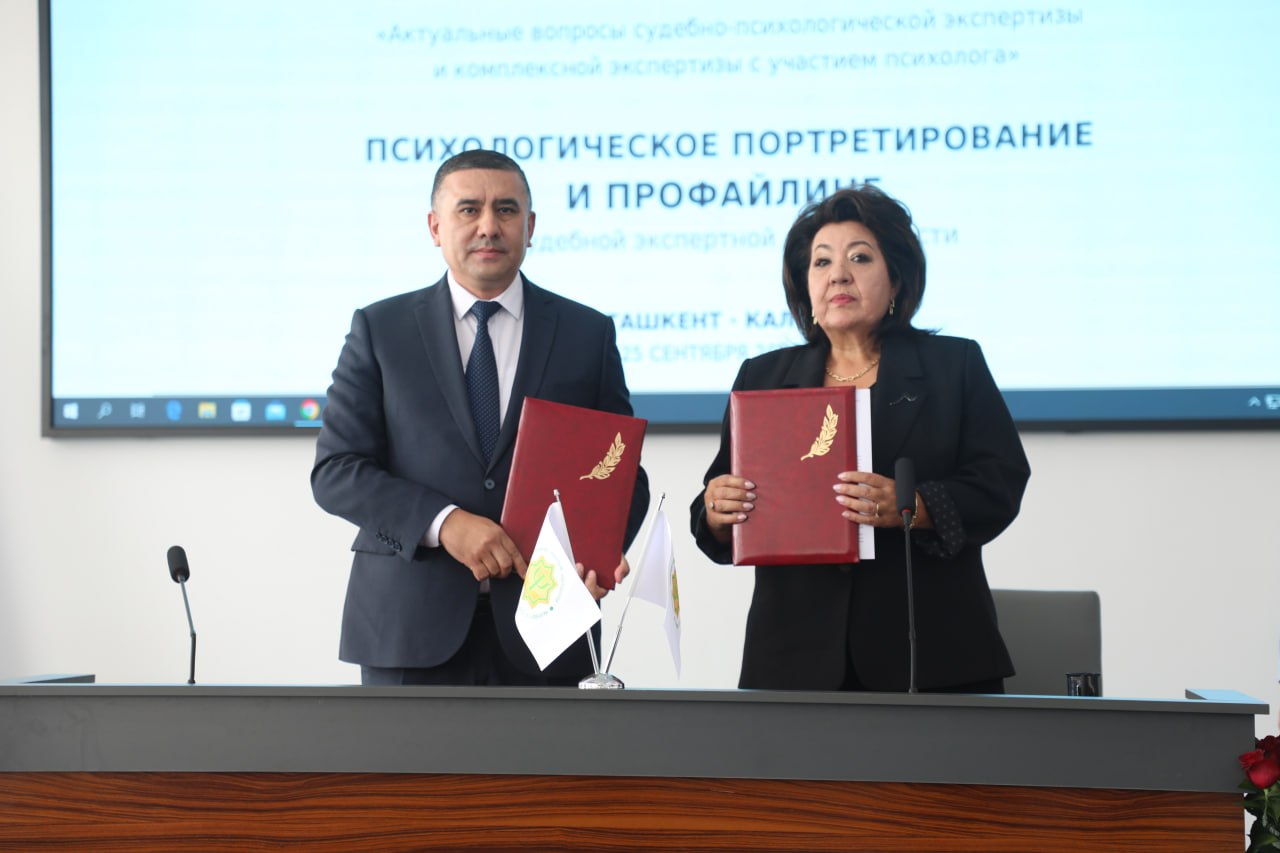
COOPERATION IN THE FIELD OF FORENSIC PSYCHOLOGY IS BEING STRENGTHENED
-
ACADEMY OF JUSTICE — RANKED AMONG THE TOP 1000 IN THE UI GREENMETRIC INTERNATIONAL RANKING

-
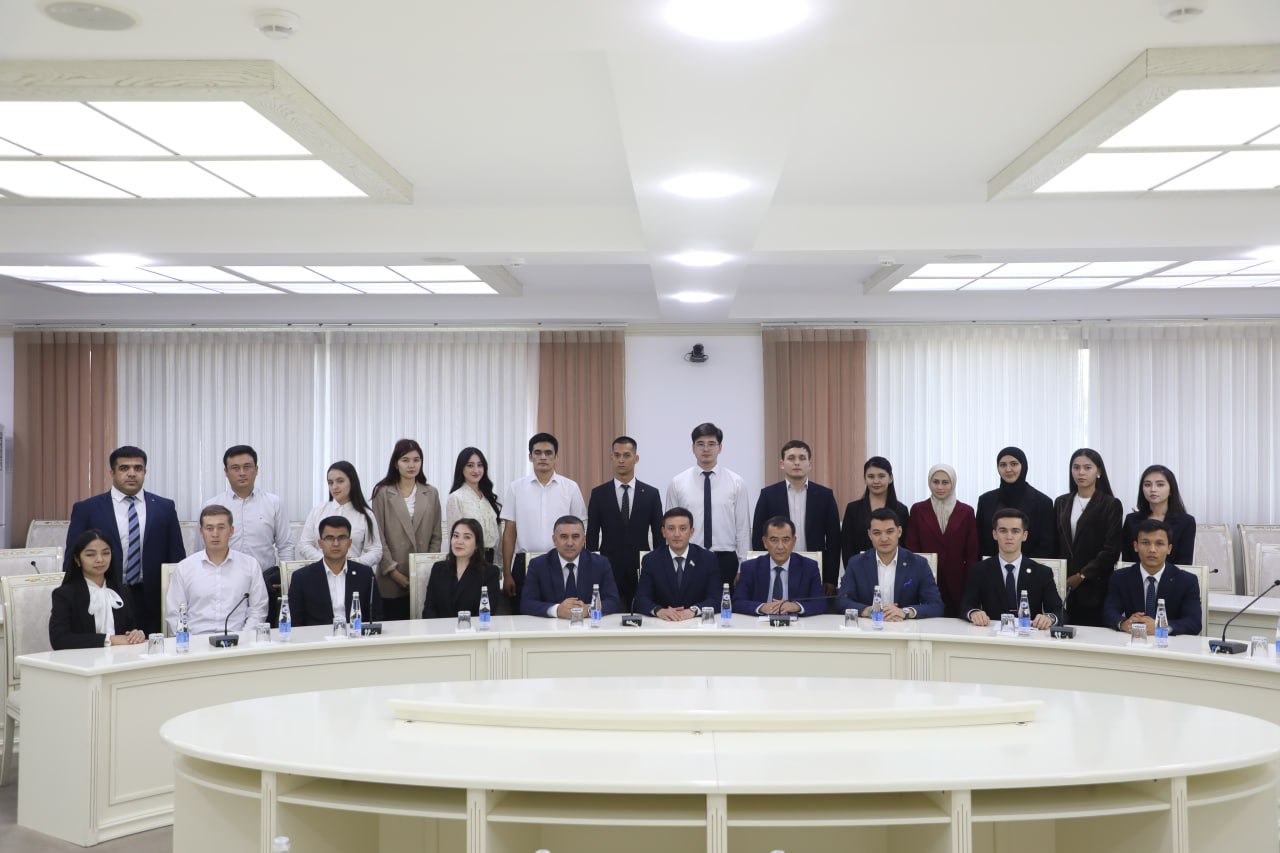
Issues of the Personal Development of the Younger Generation and Fostering a Spirit of Patriotism Discussed
-
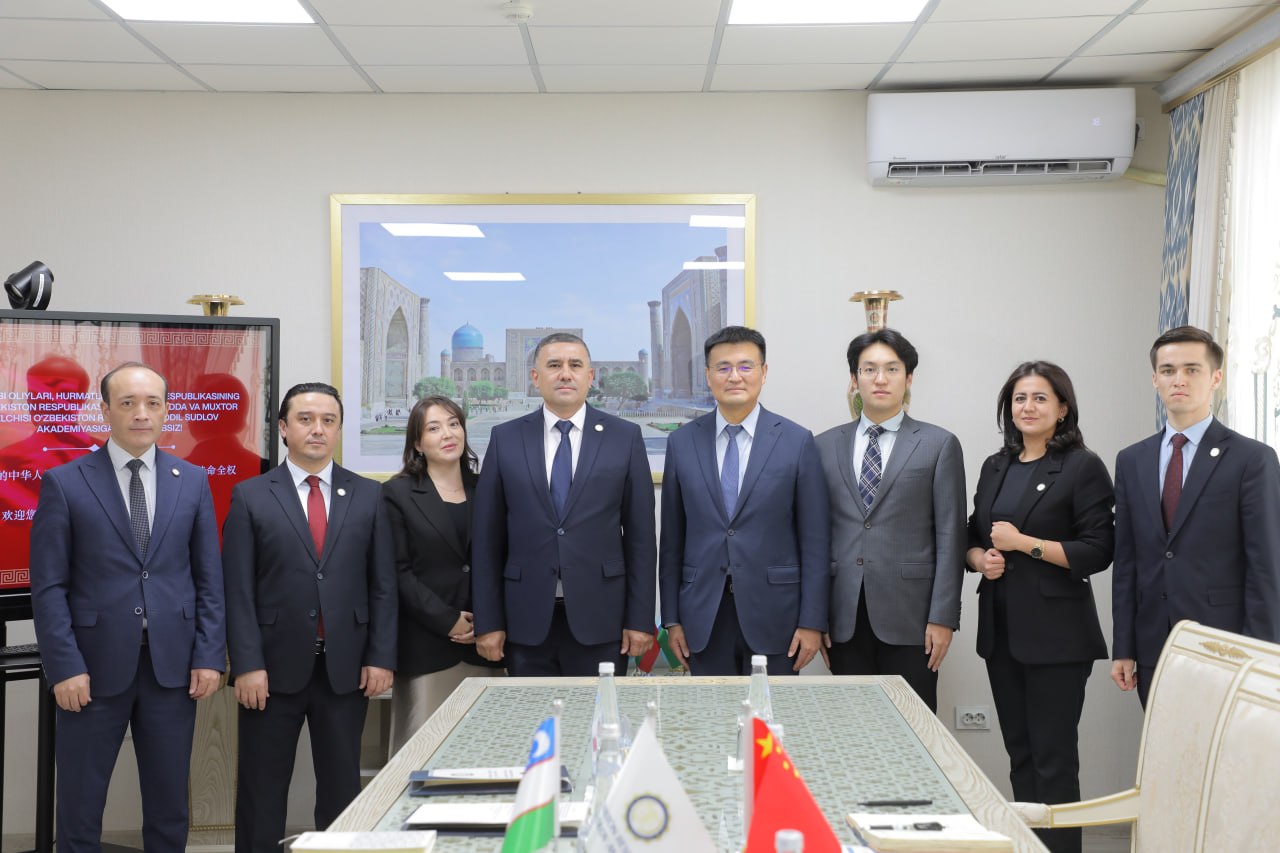
Prospects for Mutual Cooperation with the Ambassador of the PRC Discussed
-
“How Will the Tashkent International Financial Centre Change Judicial Practice?”