2026 — “The Year of Developing the Mahalla and Advancing Society”: A New Stage of Reforms
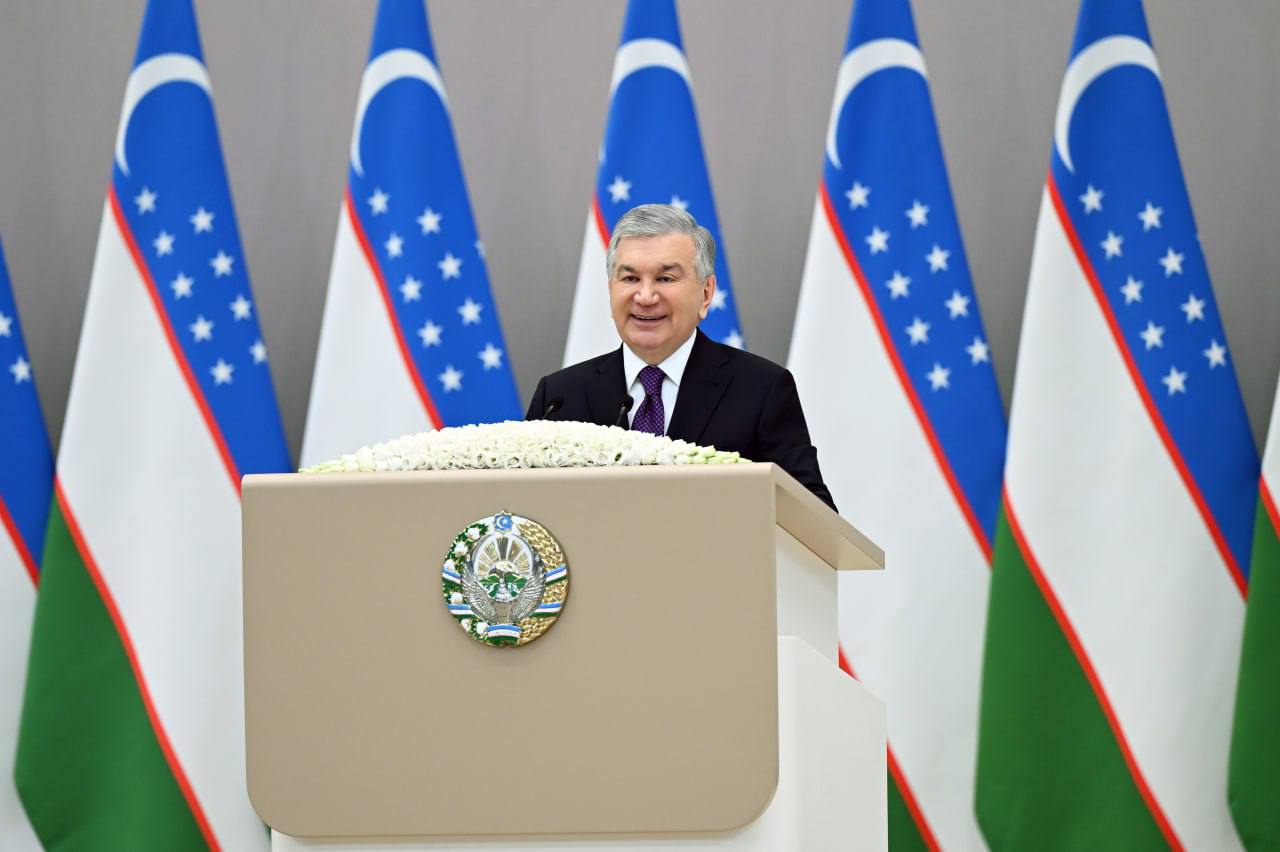
In the Address delivered by the President of the Republic of Uzbekistan, Shavkat Mirziyoyev, to the Oliy Majlis and the multinational people of the country on December 26, 2025, the declaration of 2026 as “The Year of Developing the Mahalla and Advancing Society” clearly reflected the strategic importance attached to the mahalla institution in the nation’s development. Within the framework of this year, priority has been given to developing the mahalla not merely as a unit of territorial administration, but as a key social, spiritual, and economic pillar of society. It was emphasized that the responsibility of mahallas would be further expanded in addressing citizens’ concerns at the grassroots level, strengthening social protection, supporting entrepreneurship, and enhancing civic engagement.
Starting from 2026, comprehensive improvements to infrastructure are planned in more than 9,000 mahallas across the country. Roads, drinking water supply systems, electricity networks, public transport, educational and healthcare facilities, as well as green areas will be modernized as an integrated system. These efforts will be carried out not in a fragmented manner, but through a comprehensive approach aimed at simultaneously resolving the main challenges faced by mahallas. In addition, 2–3 districts will be selected in each region, where all mahallas will undergo full-scale reconstruction, entrepreneurship and service infrastructure will be developed, and a total of 8.5 trillion soums will be allocated for these purposes.
The Address placed particular emphasis on the role of local representative bodies. Specifically, to support deputies’ initiatives aimed at improving mahallas, it was decided to allocate 500 billion soums to each electoral district and an additional 330 million soums for each deputies’ initiative. This approach will facilitate the resolution of local issues on the ground, ensure a more comprehensive representation of citizens’ interests, and enhance deputies’ accountability.
Decisions adopted from 2026 to grant greater independence to district budgets will mark a fundamental shift in local financial governance. Retaining a portion of value-added tax revenues at the local level, transferring 50 percent of above-plan revenues to district budgets, and keeping revenues from land leases and markets locally will generate approximately 5 trillion soums in additional resources for district budgets. These funds will be directed toward improving mahalla infrastructure and addressing residents’ day-to-day concerns.
Moreover, in 2026, for the first time, 20 trillion soums will be allocated directly to regions for the development of mahalla infrastructure. These funds will be channeled into clearly defined, targeted projects that create jobs and increase household incomes, while project-based budgeting will ensure efficiency and transparency. Under the “Industry and Services in the Mahalla” program, it is planned to launch more than 10,000 production and service projects, create 100,000 new jobs, and provide employment for 360,000 people, thereby enhancing the economic potential of mahallas.
Advancing society, alongside economic growth, also requires investment in human capital. Accordingly, 1 trillion soums will be allocated to develop sports infrastructure in mahallas, particularly to encourage women’s participation in physical activity. In addition, to promote youth reading culture, school libraries will be supplied annually with 10 million copies of fiction books.
Furthermore, efforts are envisaged to ensure openness and transparency within the mahalla system, introduce digital solutions, and elevate the quality of social services aimed at upholding human dignity to a new level, thereby strengthening social stability and improving public welfare.
In conclusion, designating 2026 with this title signifies a strategic decision aimed at reinforcing the role of the mahalla as a vital bridge between the state and society and at building a fair, open, and progressive society grounded in active civic participation.
Foziljon Otakhonov,
Professor, Academy of Justice of the
Republic of Uzbekistan,
Doctor of Law
Boshqa yangiliklar
-
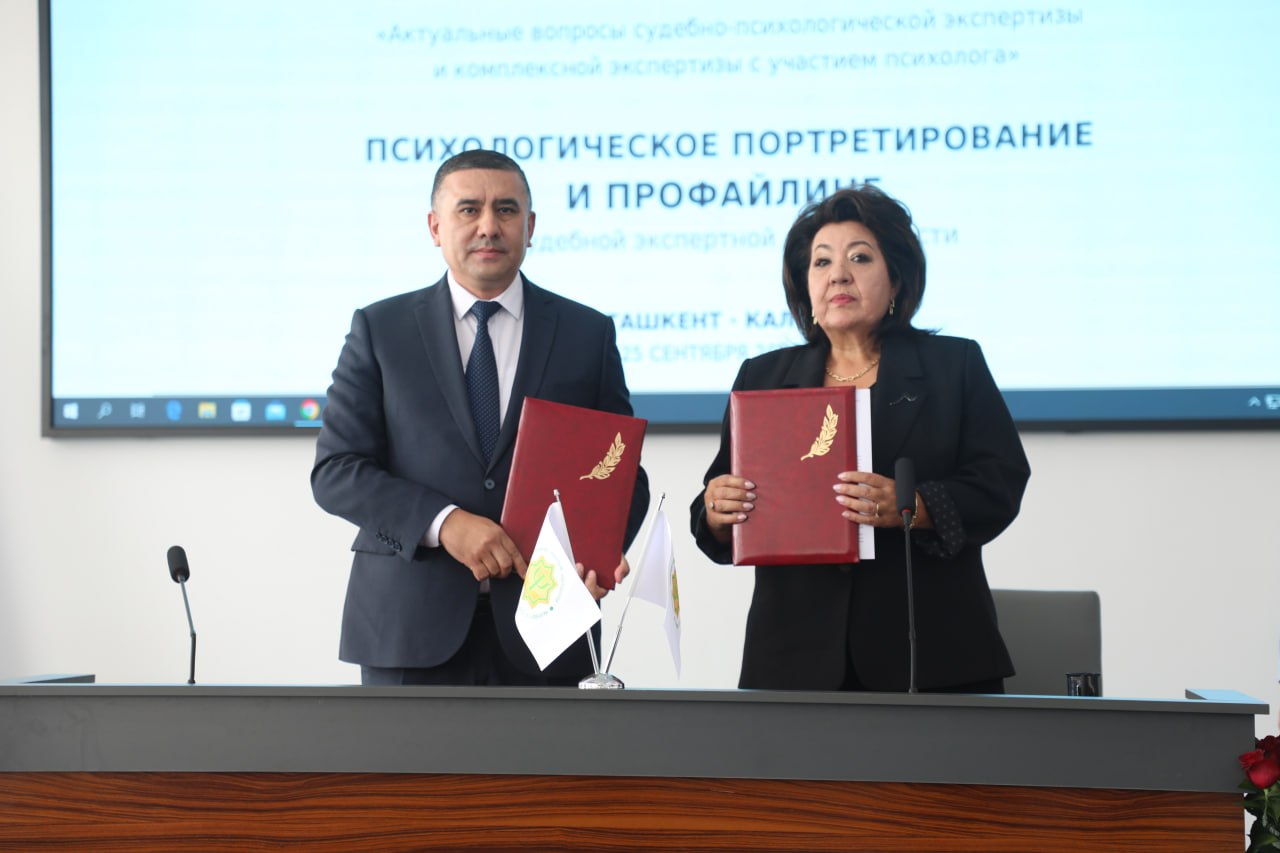
COOPERATION IN THE FIELD OF FORENSIC PSYCHOLOGY IS BEING STRENGTHENED
-
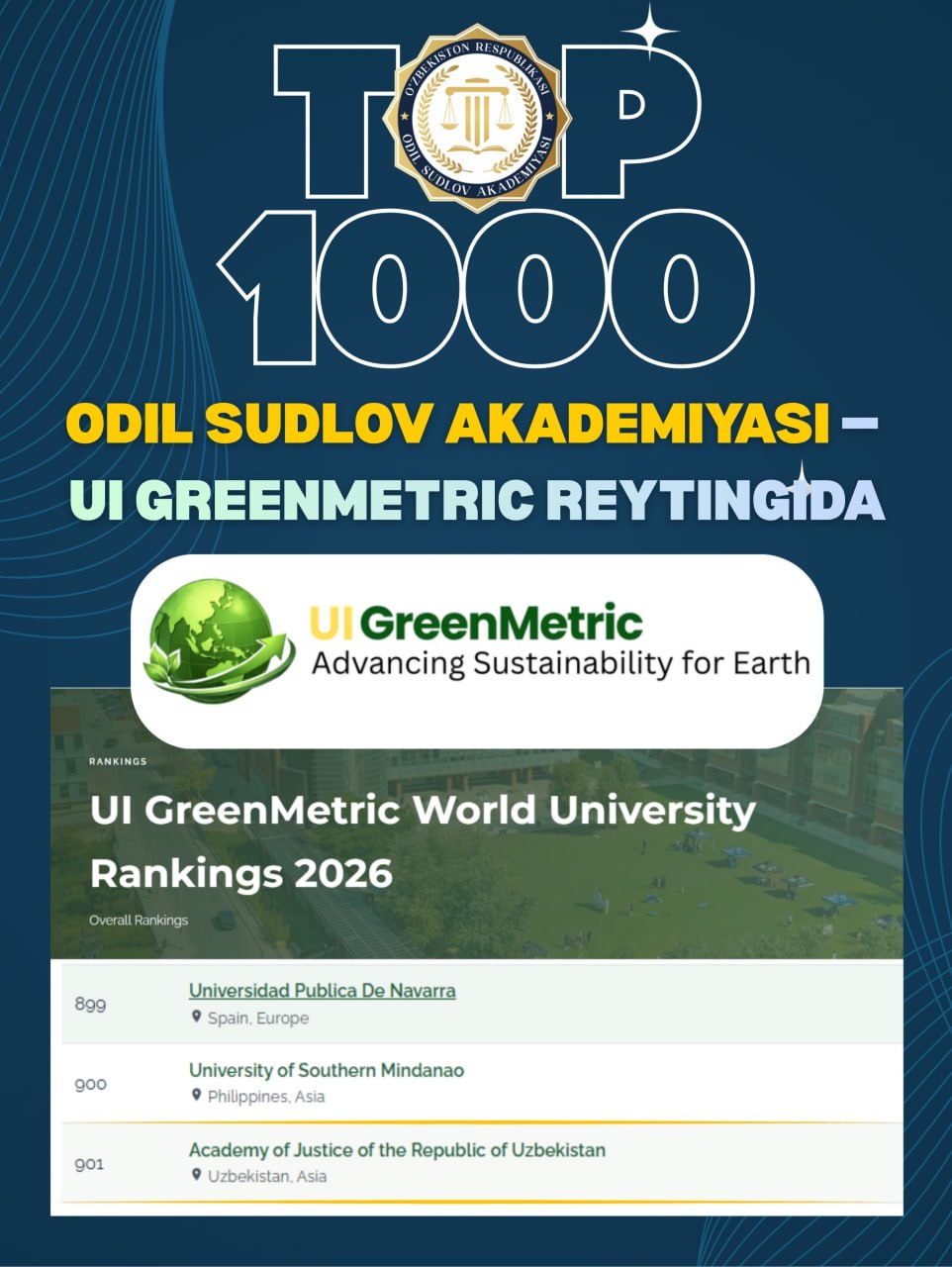
ACADEMY OF JUSTICE — RANKED AMONG THE TOP 1000 IN THE UI GREENMETRIC INTERNATIONAL RANKING
-
Issues of the Personal Development of the Younger Generation and Fostering a Spirit of Patriotism Discussed
-
Prospects for Mutual Cooperation with the Ambassador of the PRC Discussed
-
“How Will the Tashkent International Financial Centre Change Judicial Practice?”