Ensuring Judicial Independence in Practice — a Requirement of the Times

At the new stage of Uzbekistan’s development, a comprehensive set of measures is being implemented aimed at introducing democratic principles into the activities of all state bodies, adapting them to the demands of rapid reforms of the new society, and increasing the efficiency of their work in line with modern trends.
In particular, for the purpose of fundamentally democratizing the activities of judicial bodies as an independent and stable branch of state power, and developing them on the basis of open and transparent procedures, more than 50 regulatory and legal acts have been adopted.
The Decree of the President of the Republic of Uzbekistan “On measures to increase the efficiency and openness of the activity of the bodies of the judicial community and further strengthen the guarantees of judicial independence,” as well as the new tasks set forth therein, as noted above, became a logical continuation of the implementation of constitutional principles of judicial independence.
The practical significance of the Decree lies in the fact that it contributes to improving the legal foundations for expanding the role and importance of the bodies of the judicial community, which are vested with certain powers and are mutually independent, in the process of organizing and managing court activities, as well as in ensuring judicial independence in practice.
At the same time, it ensures the incorporation into national legislation of advanced democratic principles enshrined in international documents relating to the activities of the bodies of the judicial community. The Decree expands opportunities for introducing open, public, and transparent mechanisms for training qualified judicial personnel with modern knowledge and the necessary professional skills, selecting the most достойных candidates, and appointing them to judicial positions. Overall, national legislation regulating the activities of judicial community bodies is enriched with new progressive norms, thereby increasing the dynamism of their work.
It is especially important that the tasks envisaged by the Decree also impose a number of responsible obligations on the faculty of the Academy of Justice of the Republic of Uzbekistan.
In particular, the relevant provision of the section devoted to the introduction of advanced standards of judicial independence and the improvement of the activities of judicial community bodies sets the task of legislatively establishing clear criteria for assessing a judge’s professional activity based on such requirements as “integrity,” “professional competence,” and “compliance with the rules of judicial ethics.”
This, in turn, requires the Academy to fulfill its main mission—training future judges through six-month training courses, improving the qualifications of judges and court staff, and retraining judges included in the reserve for managerial positions. This process presupposes ensuring their moral growth, inner development, formation of professional conscience, as well as the creation and systematic introduction of new, modern, and effective teaching materials that promote the spiritual development of judges.
To this end, each department and each instructor of the Academy must apply new approaches in their daily activities and conduct scientific and pedagogical research. A particularly important role in this process is assigned to instructors of the Department of Professional Skills, who are expected to develop and implement methodologies that have a practical impact on increasing the effectiveness of training and retraining personnel possessing high moral, volitional, and professional qualities and capable of ensuring the effective implementation of assigned tasks and ongoing reforms.
Another important task set by the Head of State is the formation of a judicial workforce capable of making fair decisions awaited by the people today, endowed with strong will and high professional and moral qualities. In this context, the appointment to judicial positions of legal professionals who lack profound professional knowledge, sufficient life and professional experience, and a high level of moral and ethical culture is unacceptable and is directly linked to the effectiveness of the Academy of Justice of the Republic of Uzbekistan.
Proceeding from this, it is impossible to deny that in today’s society there is a growing objective need for research aimed at developing a new methodology for shaping the moral and ethical qualities of judges. Naturally, this requires conducting fundamental scientific-theoretical and applied research, as well as paying special attention to the spiritual development of judges alongside the formation of their professional knowledge and skills during the training process.
The document also provides for new tasks to strengthen guarantees of judicial independence, including revising legislative norms establishing liability for delivering unjust verdicts, rulings, determinations, or decisions, based on international standards of judicial independence. This once again underscores the necessity of fundamentally improving the system for training highly qualified personnel in the judicial sphere. Accordingly, the Academy of Justice of the Republic of Uzbekistan must define systemic measures to elevate its activities aimed at forming a new generation of honest, highly capable, and modern-minded judges to a qualitatively new level.
Trainees of the Academy must be able, when considering cases of all categories—civil, criminal, administrative, or economic—to objectively establish factual circumstances and provide legal assessments based on applicable law, paying attention not only to the legality and substantiation of their decisions, but also to their fairness. Only in this way will public trust in judicial bodies increase, and the courts will become a true bastion of justice in society.
Overall, the Decree and the tasks stipulated therein strengthen the legal foundations for organizing the educational process at the Academy in accordance with the high demands of the new society, including the formation of practical skills in using modern information technologies and artificial intelligence capabilities, comprehensive scientific and methodological support for judicial activities, and the conduct of fundamental, applied, and innovative research.
Ultimately, the level of judicial training and professional development will be raised to a new stage, which will have significant practical importance in bringing the national judicial system closer to international standards and in forming a corps of qualified and morally mature judges.
Sherzod Abduqodirov
Rector of the Academy of Justice of the
Republic of Uzbekistan,
Doctor of Law
Boshqa yangiliklar
-
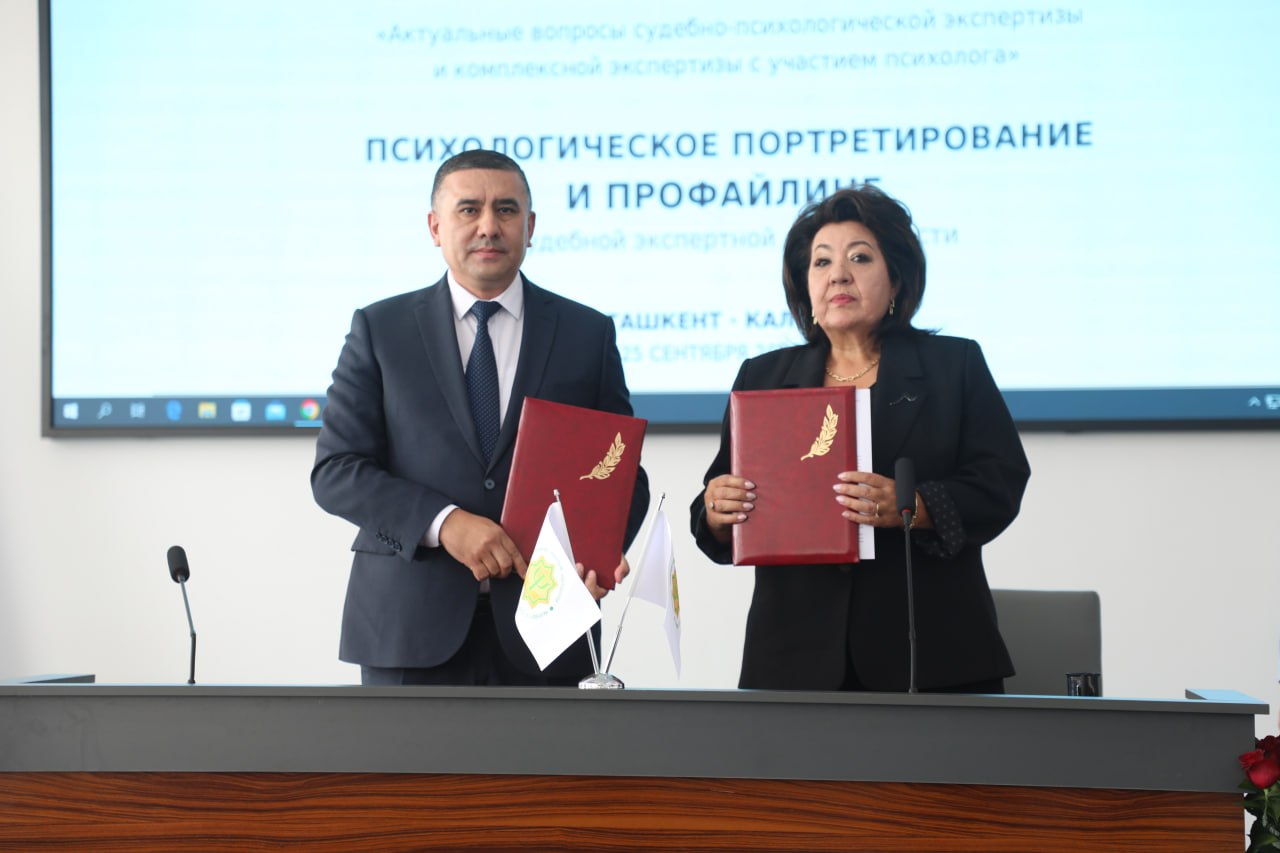
COOPERATION IN THE FIELD OF FORENSIC PSYCHOLOGY IS BEING STRENGTHENED
-
ACADEMY OF JUSTICE — RANKED AMONG THE TOP 1000 IN THE UI GREENMETRIC INTERNATIONAL RANKING

-
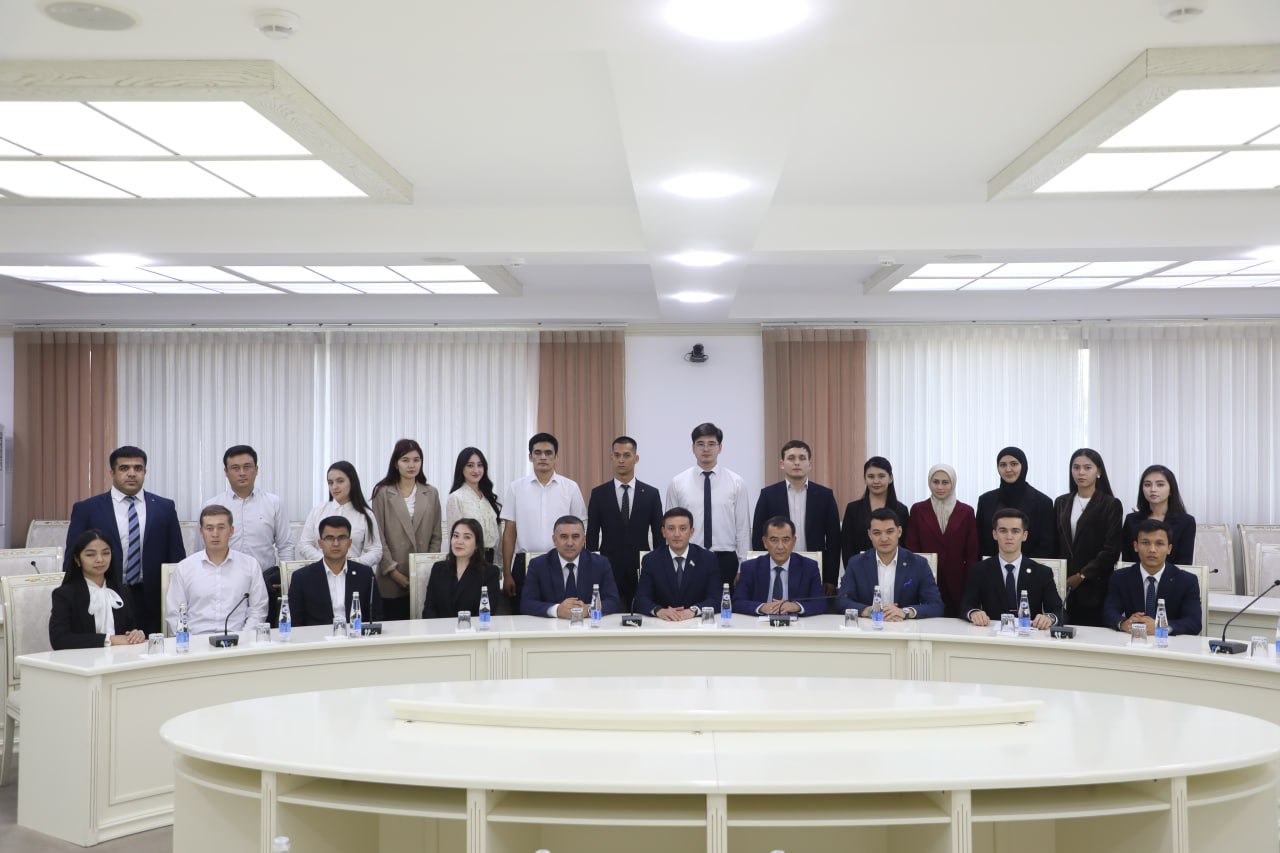
Issues of the Personal Development of the Younger Generation and Fostering a Spirit of Patriotism Discussed
-
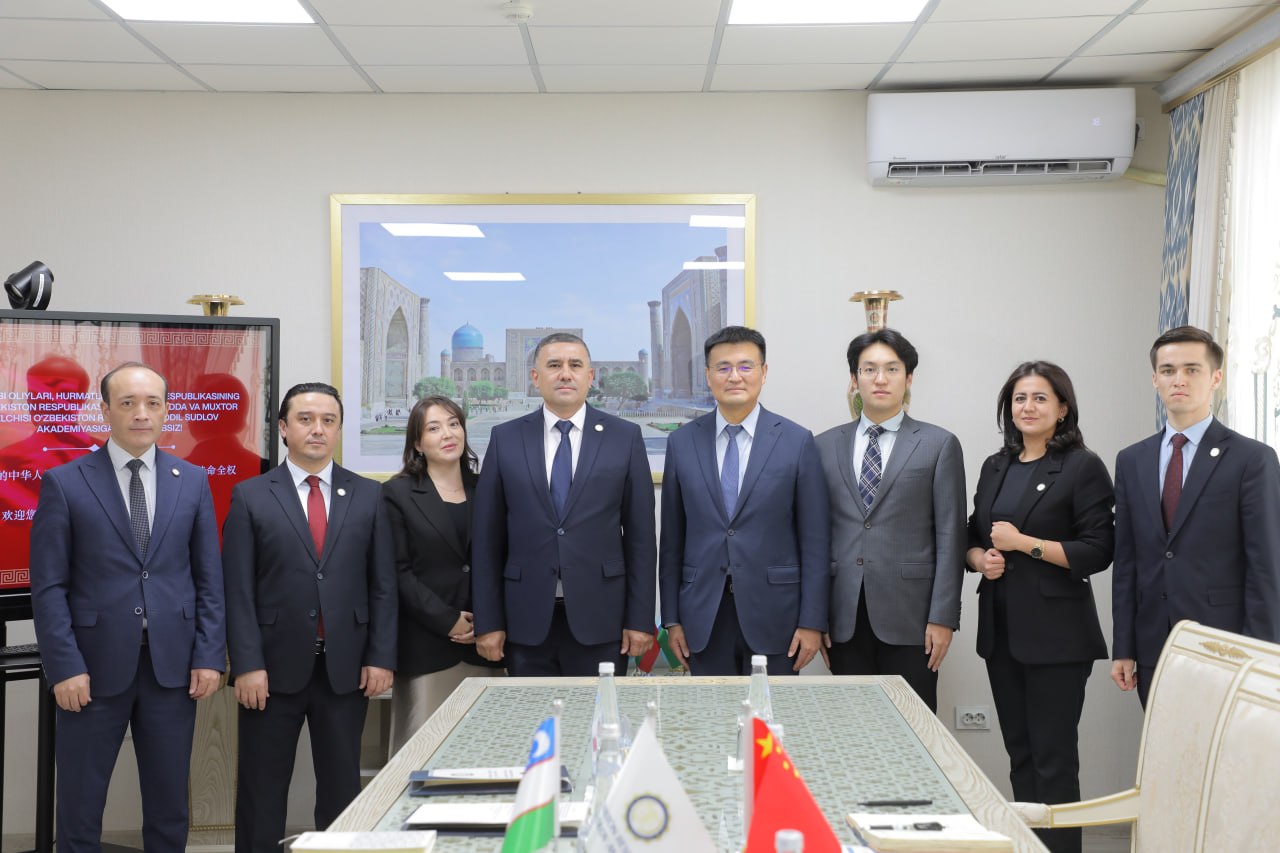
Prospects for Mutual Cooperation with the Ambassador of the PRC Discussed
-
“How Will the Tashkent International Financial Centre Change Judicial Practice?”