RECOMMENDED BOOKS FOR JUDGES

The work of a judge requires not only profound legal knowledge, but also analytical thinking, an understanding of human nature, effective time management, strong communication skills, and continuous professional development.
For this purpose, the Information and Resource Centre of the Academy of Justice recommends the following books for judges.
📖 FICTION AND LEGAL-PHILOSOPHICAL LITERATURE
1️⃣ The Count of Monte Cristo — Alexandre Dumas
A novel about justice, revenge, forgiveness, and human destiny. It encourages readers to reflect on the delicate boundary between justice and personal revenge.
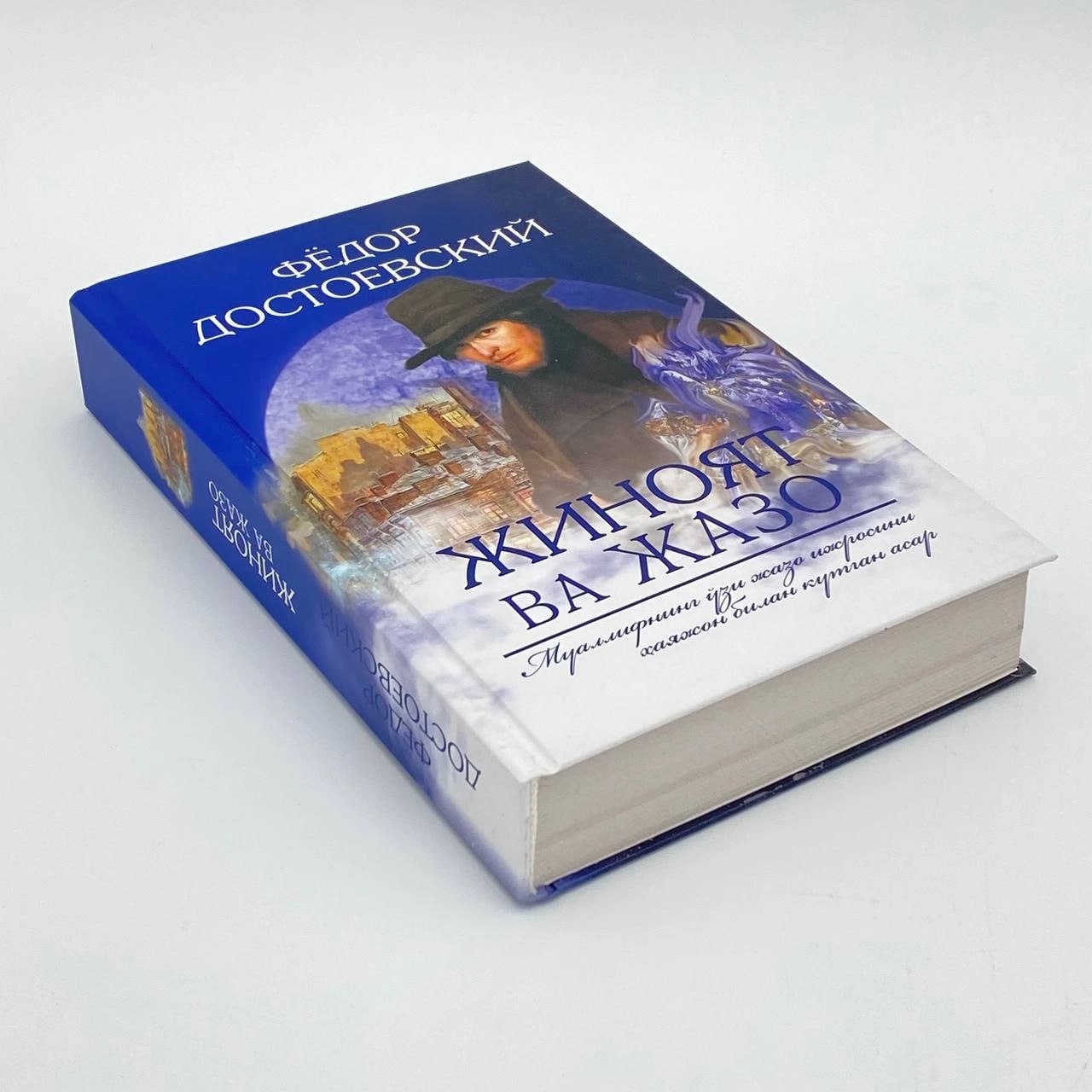
2️⃣ Crime and Punishment — Fyodor Dostoevsky
Explores in depth the legal and moral dimensions of guilt, conscience, punishment, and responsibility.
3️⃣ The Trial — Franz Kafka
Encourages reflection on justice, procedural safeguards, individual rights, and the impact of bureaucracy on human lives.

4️⃣ 1984 — George Orwell
Addresses issues such as state power, individual freedom, surveillance, and control over information.

5️⃣ And Then There Were None — Agatha Christie
A famous detective novel that encourages the analysis of evidence, comparison of different possibilities, and identification of connections between events.

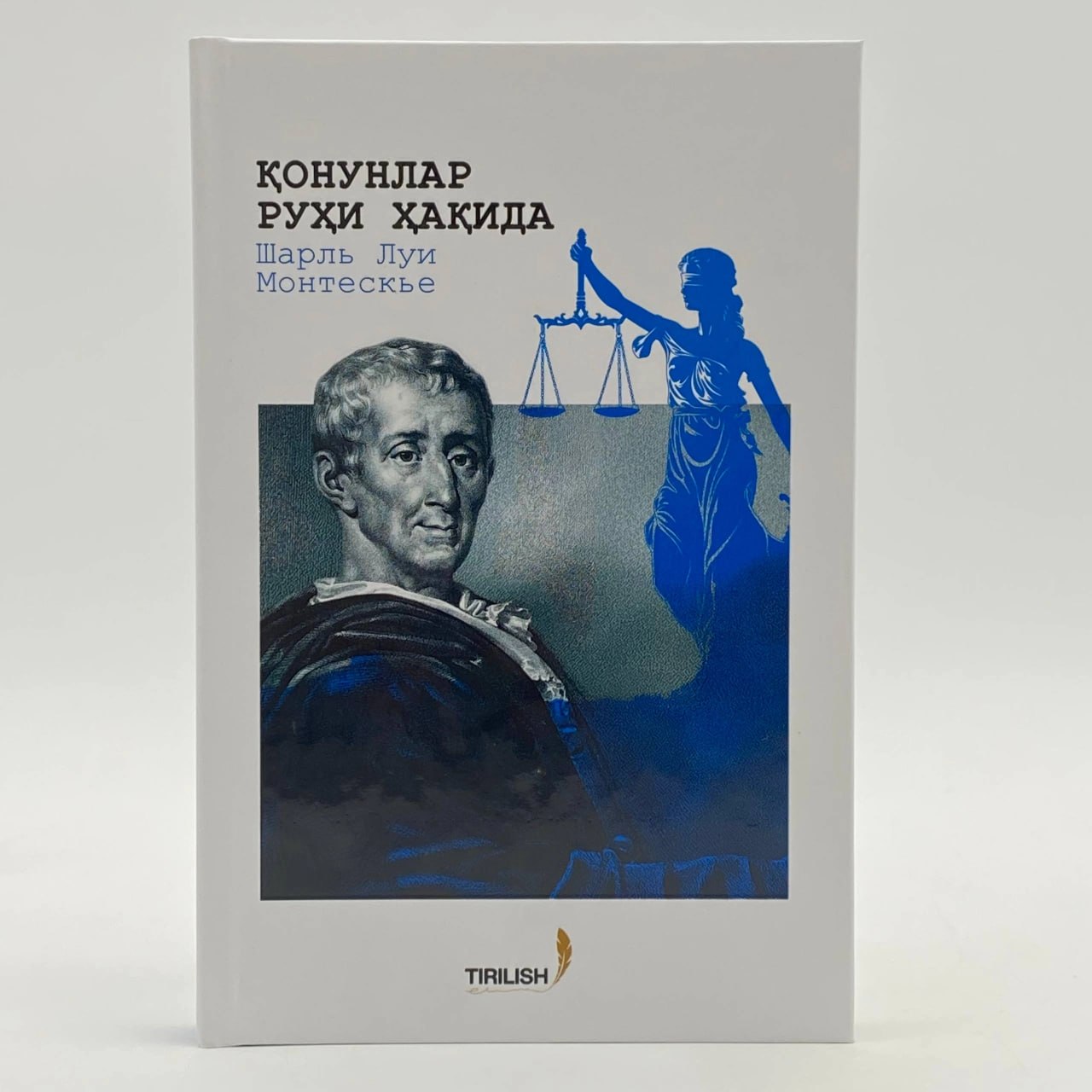
6️⃣ The Spirit of the Laws — Charles-Louis de Secondat, Baron de Montesquieu
A fundamental work devoted to the separation of powers, the nature of laws, and the legal foundations of government. It is an important source for gaining a broader understanding of the role of the judiciary in the state and society.
⏳ BOOKS FOR PROFESSIONAL DEVELOPMENT
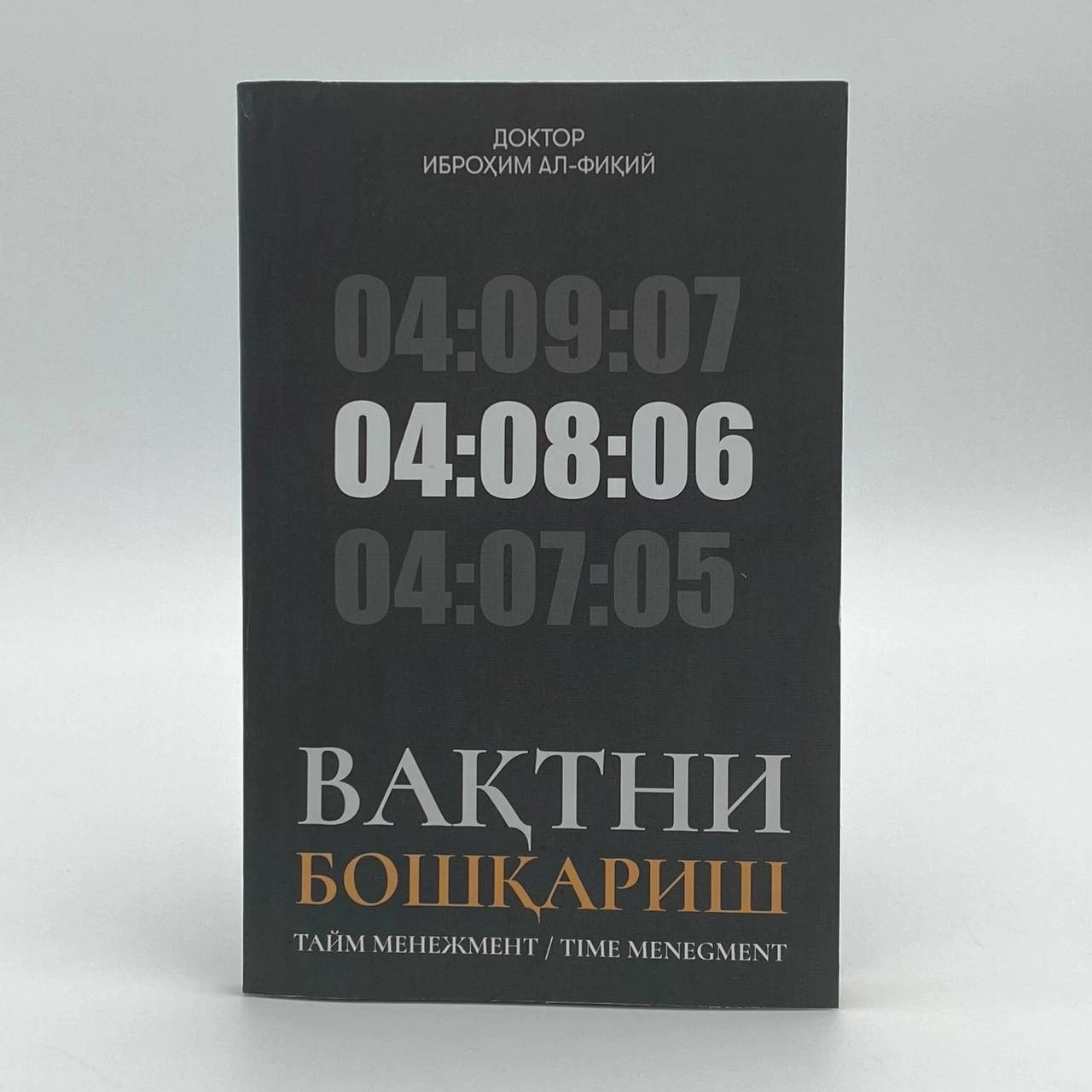
7️⃣ Time Management — Dr. Ibrahim Al-Fiqi
Focuses on making effective use of time, setting priorities, and organising daily activities efficiently.
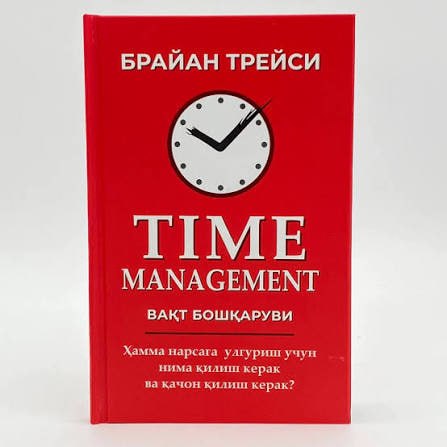
8️⃣ Time Management — Brian Tracy
Presents practical approaches to prioritising tasks, reducing time loss, and improving work efficiency.
9️⃣ Deep Work: Rules for Focused Success in a Distracted World — Cal Newport
Helps readers develop concentration, reduce distractions, and perform complex intellectual tasks more effectively.

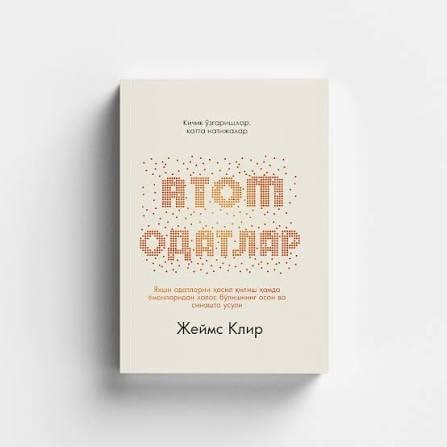
🔟 Atomic Habits — James Clear
Explains the principles of building an effective work system through small, consistent habits and achieving long-term results.
1️⃣1️⃣ The Art of Oratory — Cicero
Highlights principles related to prioritisation, responsibility, effective communication, leadership, and continuous development.

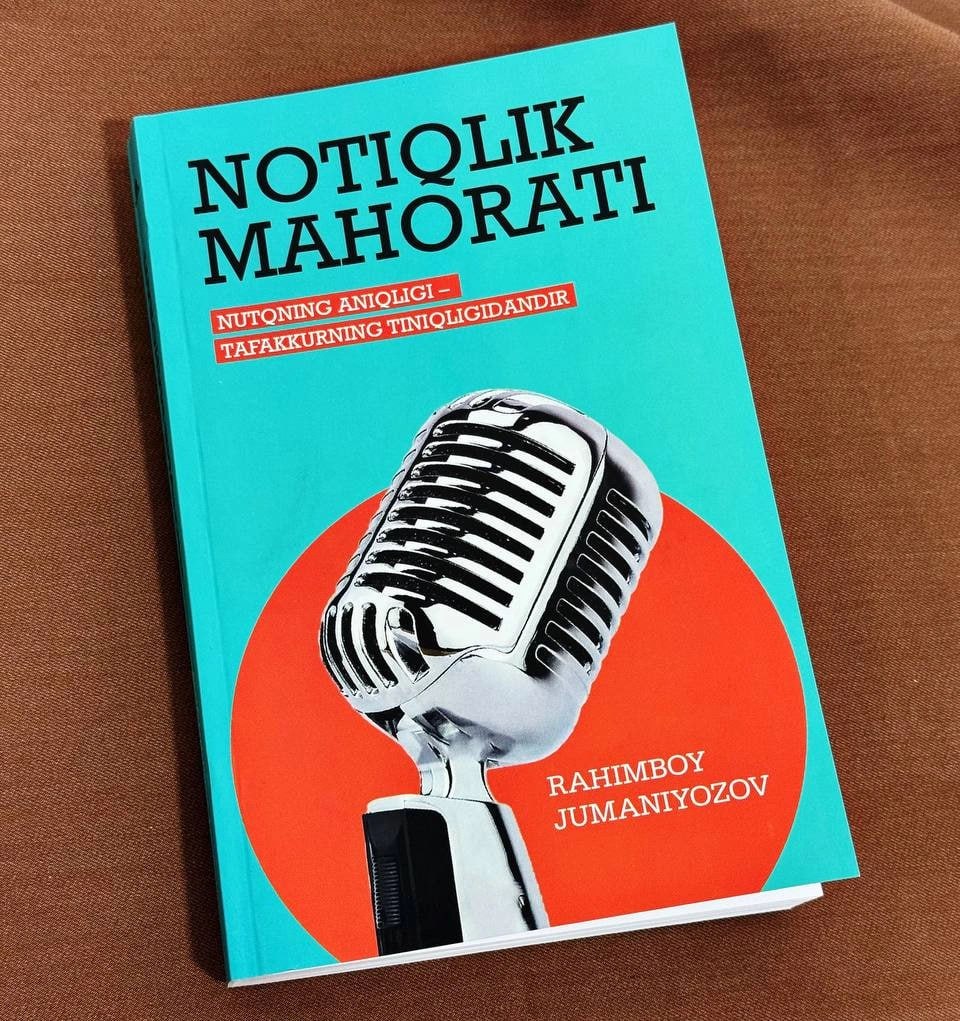
1️⃣2️⃣ The Art of Public Speaking — Rahimboy Jumaniyozov
Helps develop the ability to express ideas clearly, fluently, and persuasively, while strengthening speech culture and effective communication with an audience. It is particularly useful for developing a judge’s professional communication and speaking skills.
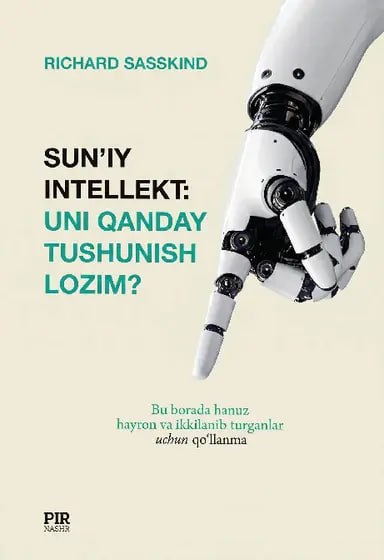
1️⃣3️⃣ Artificial Intelligence: How to Understand It — Richard Susskind
Written in an accessible and engaging style, this book will appeal both to professionals who are familiar with artificial intelligence and concerned about its consequences, and to general readers who need to understand the scale of the profound changes taking place around us. It is a book that everyone interested in the artificial intelligence revolution should read.
All of the above-mentioned books are available in Uzbek.
A judge’s professional competence is not limited to knowledge of the law. Reading fiction, legal and philosophical works, as well as professional literature, contributes to the development of analytical thinking, a deeper understanding of human nature, and the continuous improvement of professional skills.
Boshqa yangiliklar
-
Classes Have Begun for Master’s Students in the Evening Programme

-
Further Development of Cooperation Discussed

-
Effective Use of International Scientific Databases and Artificial Intelligence Capabilities Discussed

-
The First Academic Year of the Practical Master’s Programme Has Begun at the Academy of Justice
-
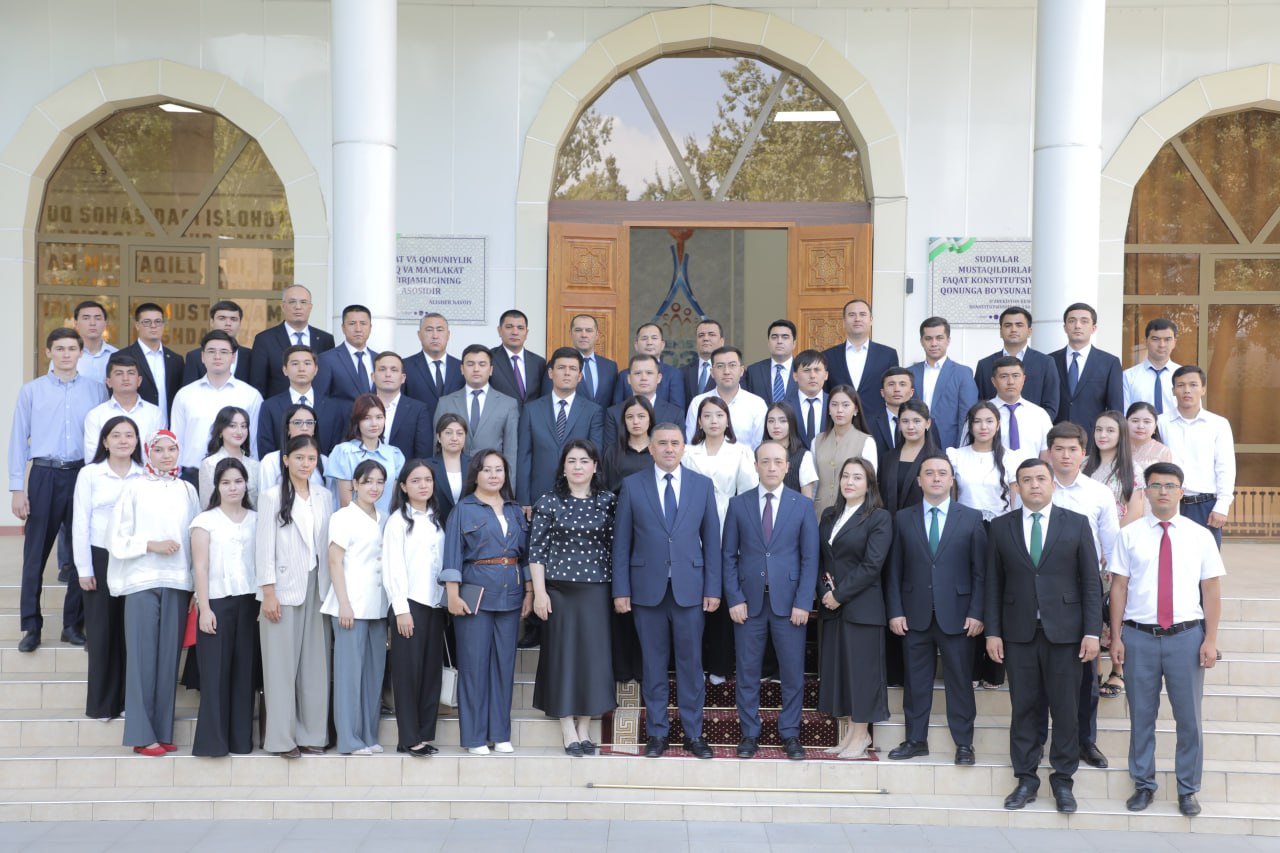
ACADEMY OF JUSTICE — TOWARDS A NEW ACADEMIC YEAR, NEW GOALS AND NEW ACHIEVEMENTS