News
Not a lecture — a space for dialogue and analysis
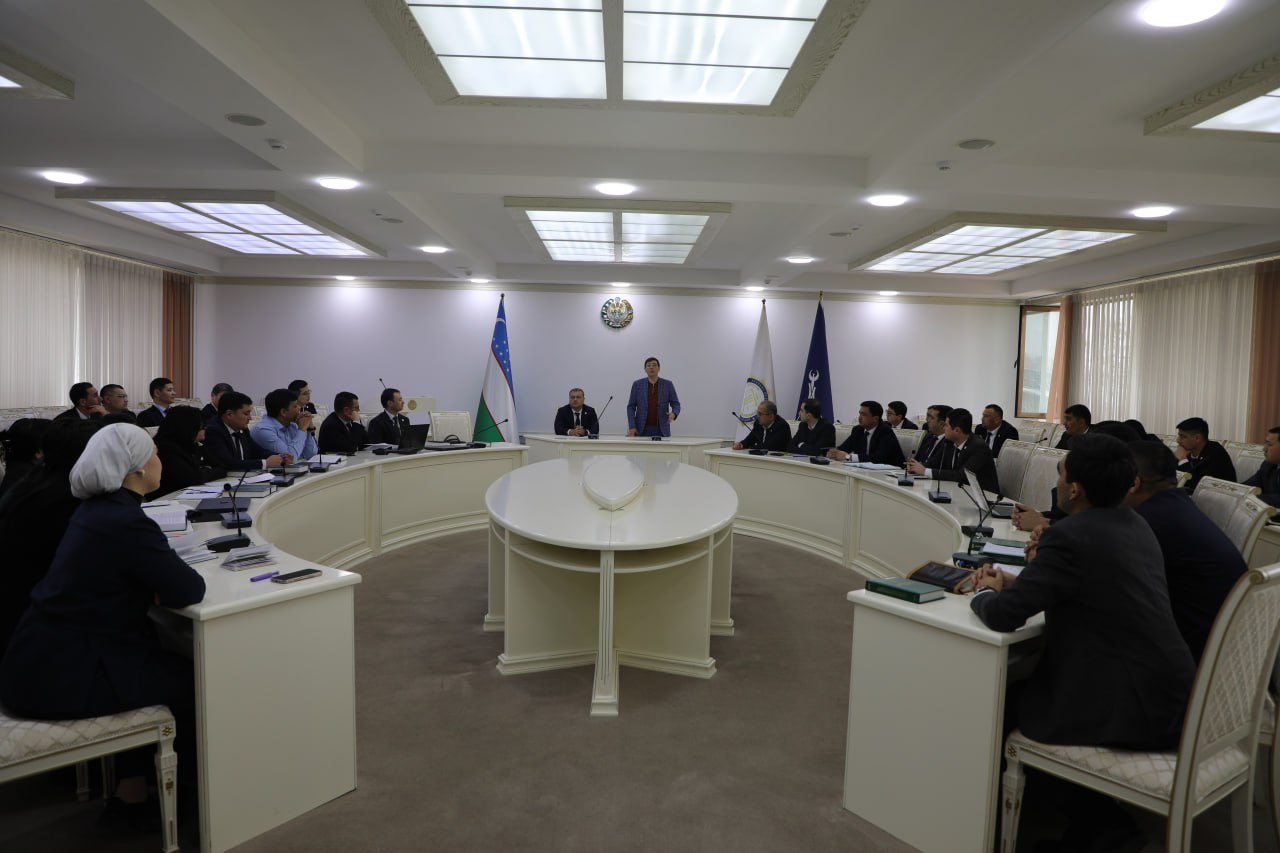
Today, modern education is not limited to the mere transfer of information. At the Academy of Justice of the Republic of Uzbekistan, open and innovative classes being introduced demonstrate a new format based on collaboration, analysis, and practical thinking.
One such session was organized for trainees majoring in Criminal Law. A master class on “Specific Features of Performing the Lawyer’s Function in Court Proceedings” was conducted by S. Karimov, a lawyer at LegalLens AB, where theoretical knowledge was reinforced with practical examples.
The session was held in a format rich in open dialogue and analysis, enabling trainees to draw important practical conclusions about the lawyer’s defense function and professional approaches in judicial proceedings.
Read More
CREATING A SAFE ENVIRONMENT IN MAHALLAS: A NEW STAGE AND TARGETED APPROACH
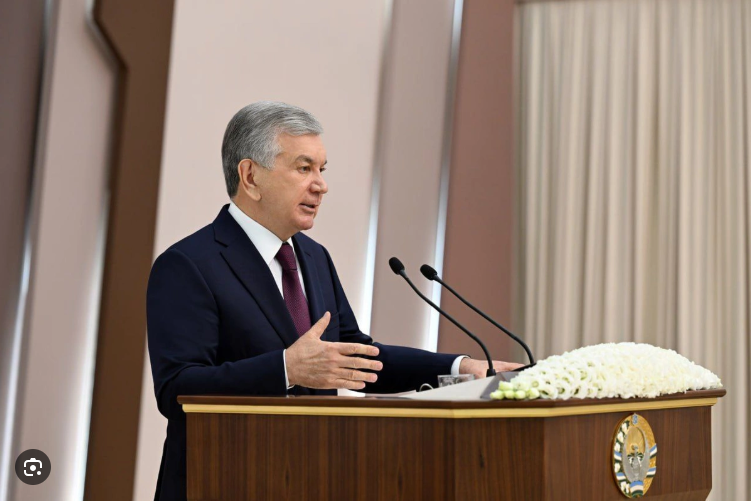
By Presidential Decree dated January 5, 2026, President Shavkat Mirziyoyev of the Republic of Uzbekistan has introduced a completely new — integrated and targeted — system for creating a safe environment in the country’s mahallas. This document continues the reforms launched in 2025 and aims to reduce crime and improve mechanisms for preventing offenses at the local level.
Experience of 2025 — positive outcomes
The decree notes that measures implemented in 2025 led to a nearly 1.5-fold reduction in crime in mahallas. This indicates the correct direction of the social prevention system. The main task now is to consolidate these results and ensure a sustainable system.
Key objectives of the decree
The new decree sets the following priority directions:
Significant crime reduction through targeted prevention
Each mahalla will conduct an in-depth analysis of the criminal situation, identify root causes, and apply individual preventive measures as a priority.
Scientific study of crimes among women and youth
Crimes within family relationships will be examined using the principle “scientific conclusion — recommendation — result,” with practical mechanisms for early prevention developed.
Rapid response and electronic monitoring system
A system for quick response to illegal acts will be established, with broad implementation of modern ICT and artificial intelligence technologies.
Assigning mahallas “by name”
In 2026, mahallas with high criminal risk will be assigned to specific responsible leaders and organizations:
Mahallas in the “red” category — under district and regional leaders;
Areas in critical condition for many years — under law enforcement and scientific institutions;
Areas with high female criminality — under family and women’s affairs, healthcare, and justice agencies.
This approach strengthens personal accountability and the principle “responsible — results.”
“Social Prevention Week” — a new practical mechanism
According to the attached Regulations, “Social Prevention Week” will be regularly held in mahallas. Activities include:
Individual work with social prevention targets;
Job fairs to address unemployment;
Legal advice and mobile receptions;
Targeted work with troubled families;
Promotion of a healthy lifestyle.
“Mahalla yettiligi” forms clear conclusions and directs them for implementation. Week results are widely covered by media and social networks.
Digital systems implementation
The Ministry of Internal Affairs is tasked with:
Accepting citizen requests in real-time via staff tablets;
Developing the “My Inspector” mobile application;
Implementing the “E-Troubled Family” module under the “E-Social Prevention” system;
Expanding the work of mahalla law enforcement units.
This reduces human error, increases transparency, and ensures rapid response.
Rule of law and strict oversight
The decree establishes strict measures against concealment of crimes, misclassification, or failure to record requests. Personal responsibility is assigned to all levels of prosecution and law enforcement heads.
Results are critically reviewed monthly and quarterly, with mechanisms for rewards or disciplinary action applied.
Core principle: “Prosperous and Safe Mahalla”
The decree emphasizes shared responsibility of the mahalla, local government, social services, and community for safety. With PQ-1, creating a safe environment in mahallas has reached a new stage. Prevention is now the main tool, with digital monitoring, personal accountability, and community involvement as key pillars.
Implementation of this decree will ensure sustainable safety, public satisfaction, and strengthen the rule of law in society.
Khamid AKMALOV
Staff Member, Academy of Justice of the Republic of Uzbekistan,
Master’s Degree student, Tashkent State University of Law
Read More
Educational and Research-Based Training Sessions Drawing on International Experience at the Academy of Justice
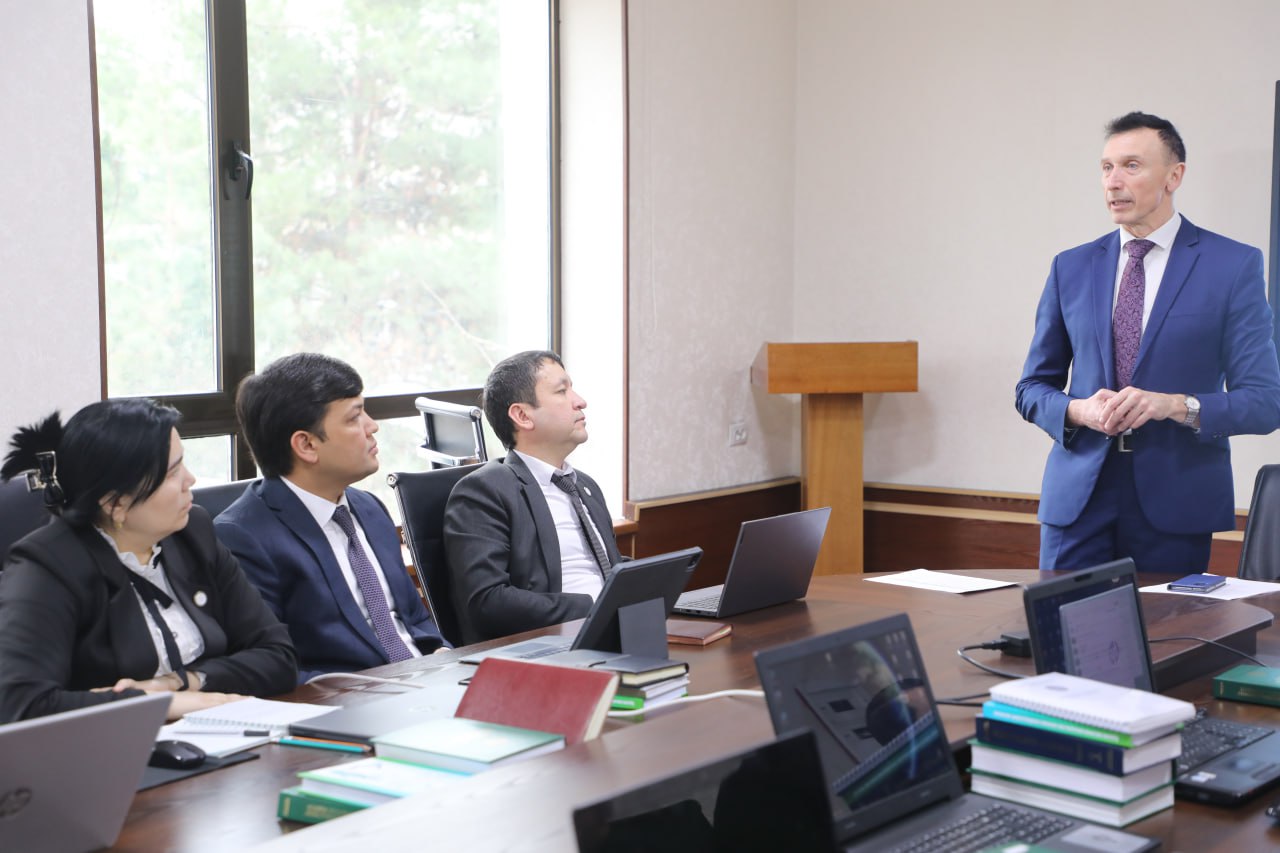
As part of efforts to integrate educational and research activities with international experience, practice-oriented training sessions have been organized at the Academy of Justice. In particular, lectures for participants of professional retraining programs have commenced with the participation of Professor Raimundas Kalesnykas of Kazimieras Simonavicius University (Lithuania).
The sessions focused on ethical standards and professional requirements in judicial proceedings, as well as on the study of standards applied in foreign jurisdictions. The training was conducted in the form of open and interactive discussions, incorporating the analysis of practical cases and comparative legal approaches.
These educational and research-based sessions aim to enhance participants’ professional knowledge and practical skills, foster a strong culture of compliance with ethical standards in judicial practice, and improve professional qualifications through the application of international best practices.
Read More
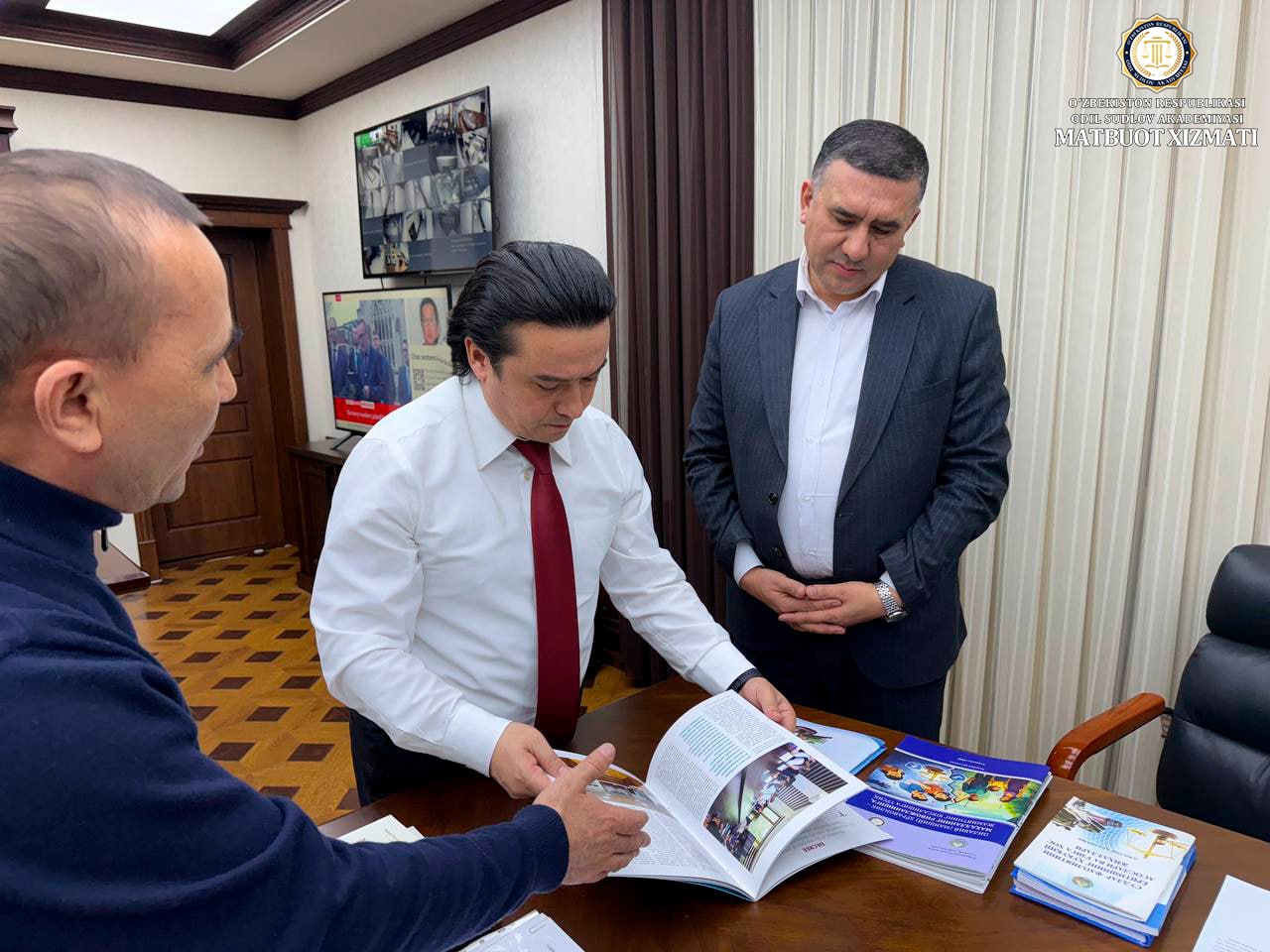
A new stage of comprehensive modernization of academic publishing has begun at the Academy
At the Academy of Justice of the Republic of Uzbekistan, under the leadership of the Rector and Vice-Rectors, issues related to improving academic publishing in line with modern requirements were thoroughly reviewed.
Work has commenced to fundamentally enhance the concept of the “Odillik mezoni” journal, particularly to align it with the requirements of Scopus and Web of Science.
Read More
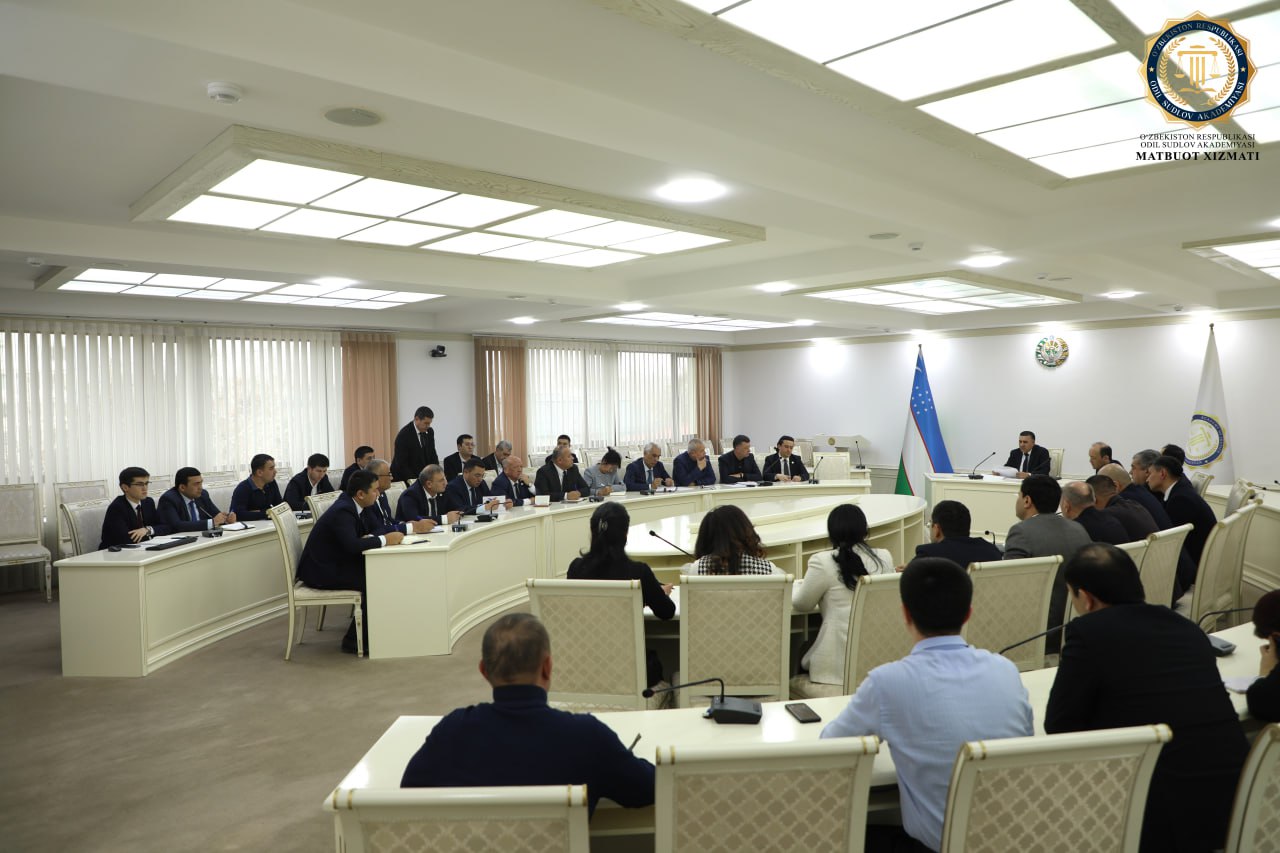
A new era of approaches has begun at the Academy
Today, a meeting dedicated to further improving and developing the activities of the Academy of Justice of the Republic of Uzbekistan was held in the Academy’s conference hall. The meeting was attended by the Academy’s leadership, management staff, heads of departments, and faculty members.
During the meeting, the results of the monitoring conducted by the Presidential Administration regarding the implementation of Presidential Decree No. DP-141 were comprehensively reviewed.
At the meeting, special measures aimed at developing the Academy’s activities were developed, and responsible executors as well as specific implementation deadlines were determined.
It was also noted that the issues that became the subject of discussion on social media, as well as every opinion, proposal, and critical remark, would be thoroughly examined and addressed through concrete measures. The need to further improve control mechanisms in educational, scientific, and organizational processes was emphasized.
It was emphasized that the Academy’s activities will continue to be developed consistently in line with ongoing reforms, based on the principles of openness, transparency, and consideration of public opinion.
Read More
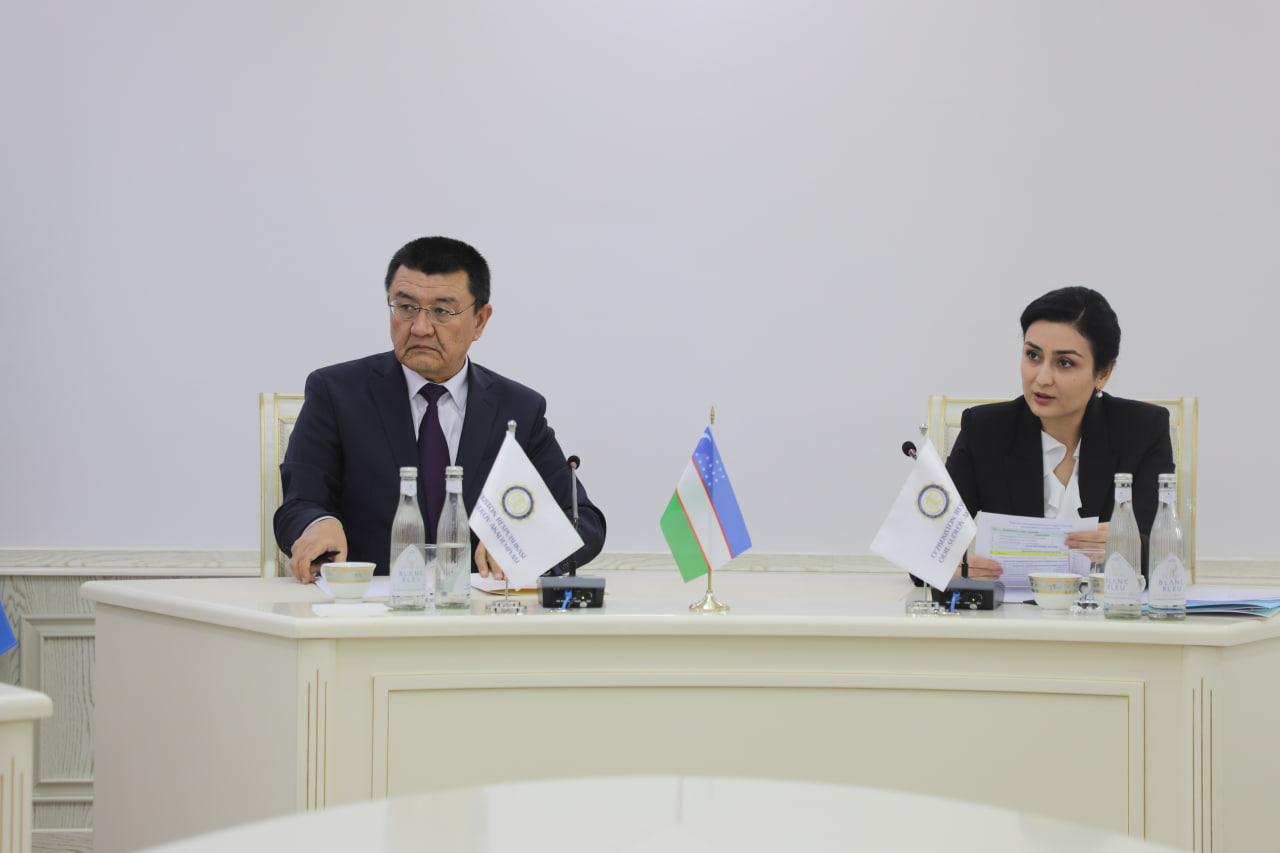
A Monitoring on the Training of Highly Qualified Personnel in the Field of Justice Was Conducted
At the Academy of Justice of the Republic of Uzbekistan, the Presidential Administration conducted a monitoring of the implementation of the tasks set out in the Presidential Decree “On measures for the radical improvement of the system of training highly qualified personnel in the field of justice.”
The event was attended by the Academy’s management, the newly formed faculty, as well as trainees.
Currently, 20 faculty members are working at the Academy, including 6 holders of the DSc degree and 11 holders of the PhD degree, among them 4 professors and 5 associate professors. Thirteen faculty members previously served as judges, of whom 6 are currently acting judges.
In the 2025–2026 academic еar, a total of 164 trainees were admitted, of whom 4 were excluded from the program due to failure to master the coursework.
The educational process is organized in a dual education format based on the principle of “theory – practice – simulation”: theoretical classes are conducted in the first half of the day, while deontological and practical training sessions are held in the second half.
During the event, the substance and content of the Academy’s activities—established as the institutional basis for training personnel for the judicial system—were examined, along with the work being carried out to organize its activities in accordance with international standards.
Special attention was paid to the implementation of the principle “a future judge is trained by a judge,” the involvement of practicing judges in the educational process, the improvement of education quality, and measures aimed at forming a corps of highly qualified judges.
Within the framework of the event, the Rector of the Academy and the newly appointed Vice-Rectors delivered presentations on the measures being implemented, available capacities, the improvement of the educational process, and specific, targeted plans for the future.
In addition, an open dialogue was organized to assess the trainees’ level of knowledge, professional potential, and attitude toward the learning process.
As part of the monitoring, the Academy’s digital infrastructure, electronic learning platforms, simulation halls, and modern technologies used in the educational process were reviewed.
Based on the results of the monitoring, priority areas of the Academy’s activities, existing challenges, and proposals for their resolution were discussed, and relevant recommendations and future plans were identified to ensure the further effective implementation of the tasks set out in the Presidential Decree.
Read More
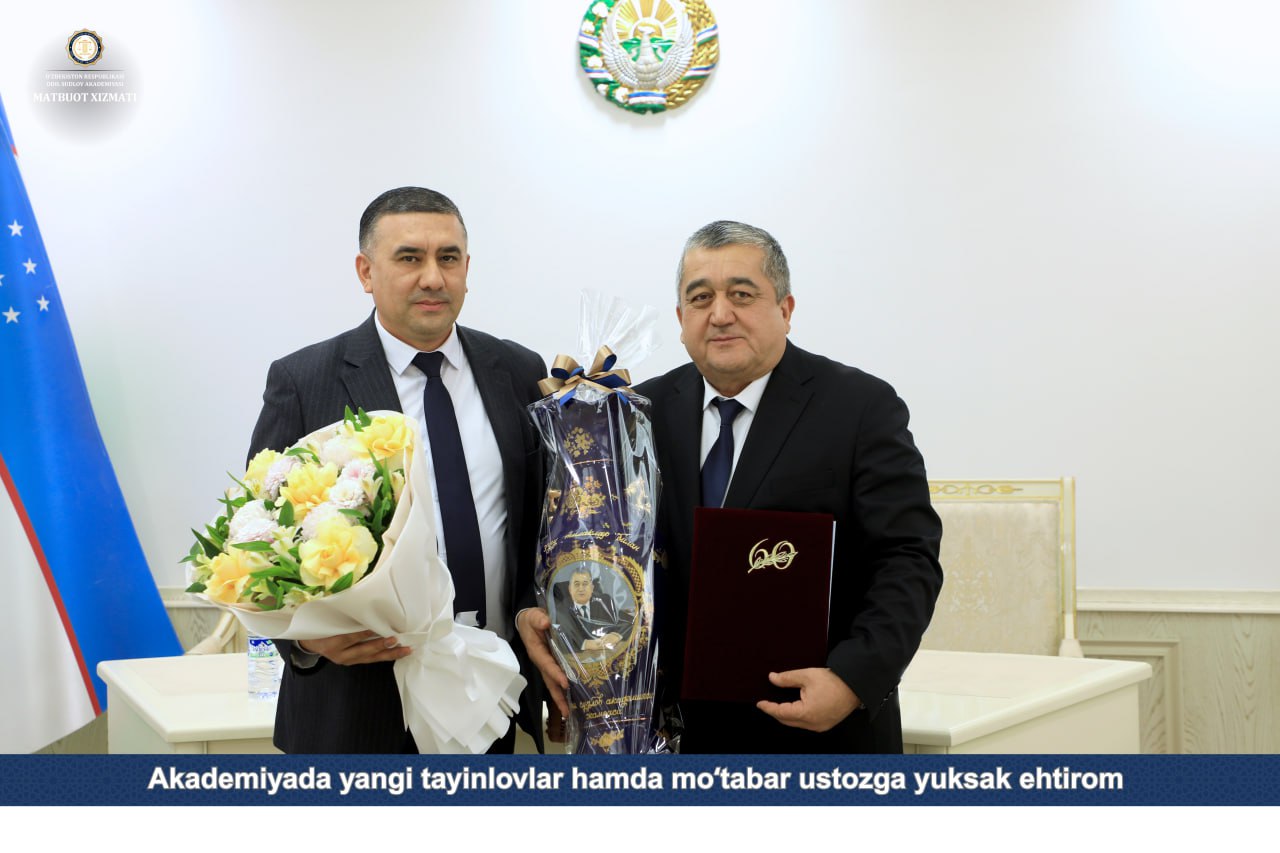
An event dedicated to new appointments and high respect for a distinguished mentor was held at the Academy
Today, an event of significant organizational and moral importance was held at the Academy of Justice of the Republic of Uzbekistan.
During the event, the Academy staff were officially introduced to the officials appointed to the positions of Vice-Rector for Academic and Methodological Affairs, Vice-Rector for Scientific, Innovation and Information-Analytical Affairs, as well as Press Secretary.
The event then continued in a scholarly and inspiring atmosphere with a ceremonial celebration honoring mentor Nasriyev Ilhom Ismailovich on the occasion of his 60th birthday. He has educated many students and made a substantial contribution to the development of national legal science.
On the occasion of the jubilee, representatives of state bodies and organizations, members of the Academy’s faculty and staff expressed their sincere congratulations and warm wishes to Ilhom Ismailovich. His many years of professional service, scientific achievements and pedagogical contributions were highly recognized, and deep gratitude was expressed.
In the congratulatory speeches, special emphasis was placed on his meaningful life path devoted to legal science, the principles of the rule of law and fair justice, as well as his fundamental research in the fields of civil law, personal non-property rights, copyright and legal policy, which hold an important place in the development of national legal scholarship.
It was also noted that Ilhom Ismailovich’s work in the judiciary and legislative sphere, as well as his current effective activity at the Academy of Justice as Head of the Department of Civil Law Disciplines and Chairman of the Academic Council, serves as a true school of mentorship for future judges and young scholars.
At the conclusion of the event, the mentor was wished good health, a long life, and new achievements in his scientific and pedagogical activities.
Read More

Appointment
Vice-Rector for Academic and Methodological Affairs Appointed at the Academy of Justice
Aripov Dilshod Urinbayevich has been appointed as Vice-Rector for Academic and Methodological Affairs of the Academy of Justice of the Republic of Uzbekistan.
Prior to the appointment, Aripov Dilshod Urinbayevich served at the Higher School of Judges under the Supreme Judicial Council of the Republic of Uzbekistan as Deputy Director for Research and Information and Analytical Affairs.
__________________________________________________________________________________________________________________________________
Vice-Rector for Research, Innovation, and Information and Analytical Affairs Appointed at the Academy of Justice
Salaev Nodirbek Saparbayevich has been appointed as Vice-Rector for Research, Innovation, and Information and Analytical Affairs of the Academy of Justice of the Republic of Uzbekistan.
Prior to the appointment, Salaev Nodirbek Saparbayevich served as Professor of the Department of Criminal Law, Criminology, and Anti-Corruption Studies at Tashkent State University of Law.
_________________________________________________________________________________________________________________________________
Press Secretary Appointed at the Academy of Justice
Jumayev Marufjon Sharifjon ogli has been appointed as Press Secretary of the Academy of Justice of the Republic of Uzbekistan.
This appointment was made based on the conclusion of the Center for Content Development for Mass Media under the Administration of the President of the Republic of Uzbekistan.
Previously, Jumayev Marufjon Sharifjon ogli carried out his professional activities at the Academy of Public Policy and Administration under the President of the Republic of Uzbekistan as Press Secretary and Adviser on Information Policy.
Read More
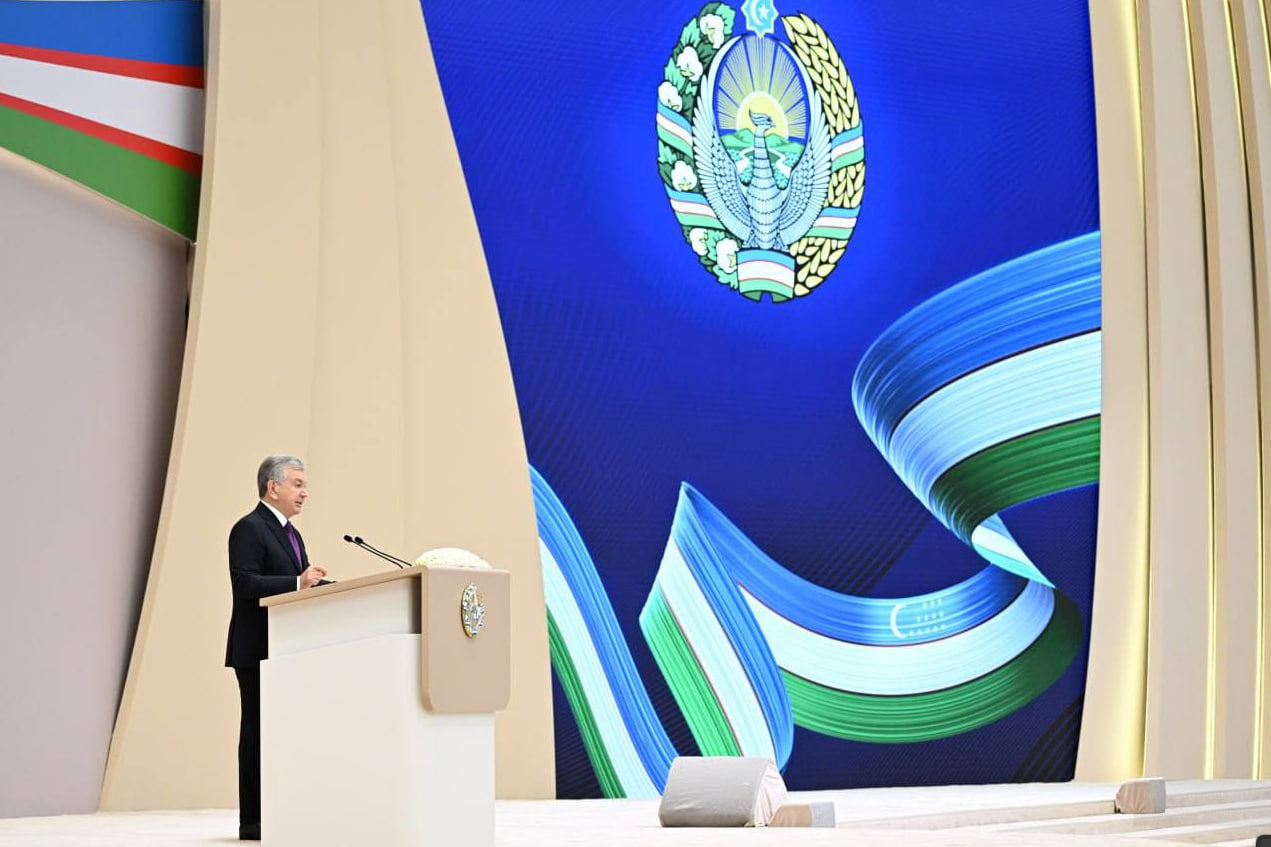
Judicial and Legal Reforms Outlined in the Presidential Address: The Unity of Theory and Practice
In recent years, reforming the judicial and legal system has been regarded as one of the most priority areas of state policy in the Republic of Uzbekistan. In the Address delivered by the President of the Republic of Uzbekistan to the Oliy Majlis and the people of Uzbekistan on 26 December 2025, particular attention was paid to strengthening the independence of the judiciary, ensuring reliable protection of citizens’ rights and freedoms, and further improving mechanisms for achieving fair justice.
The Address emphasized that the independence of the judiciary is one of the fundamental conditions for building a rule-of-law state. Preventing any unlawful interference in judicial activity, strengthening judges’ material and social guarantees, and ensuring transparency in the selection and appointment of judicial personnel were identified as key tasks. Special emphasis was placed on the need to pay close attention to professional knowledge, life experience, and high moral qualities when selecting candidates for judicial positions. Judicial independence must be ensured not only by law, but also through personal inviolability and professional stability.
The Presidential Address also stressed that access to courts for ordinary citizens must be simple, convenient, and fair. In this regard, simplifying judicial procedures, eliminating excessive bureaucratic barriers, and widely introducing digital technologies were identified as important priorities. In particular, improving the electronic justice system will help reduce case consideration periods, minimize the impact of the human factor, and ensure transparency, thereby increasing the effectiveness of the judicial and legal system and strengthening public trust in the courts.
In addition, the Address placed special emphasis on ensuring human rights and legitimate interests in criminal justice proceedings. Protecting individuals from unfounded criminal prosecution, fully guaranteeing the right to defence, and ensuring the supremacy of law in the evaluation of evidence were identified as pressing tasks. Strict adherence to the presumption of innocence and prevention of violations of the law at the investigation and trial stages constitute a significant responsibility for judges and law enforcement bodies. For trainees of the Academy of Justice, these issues will play a decisive role in their future professional activities.
The Presidential Address also highlighted the importance of ensuring effective judicial oversight over the activities of state bodies through civil and administrative proceedings, which requires strengthening the role of courts in protecting the rights of citizens and business entities.
In the activities of administrative courts, ensuring justice and legality in “state–citizen” relations and strengthening legal protection mechanisms through the annulment of unlawful decisions of state bodies were identified as priority tasks.
The Address emphasized that the training of qualified personnel is of decisive importance in reforming the judicial and legal system. In this context, it is essential to align the educational content of the Academy of Justice with modern requirements and to introduce practice-oriented training programmes. Special importance is attached to developing logical thinking, systemic analysis, lawful decision-making skills, and academic writing when preparing candidates for judicial positions.
The tasks set out in the President’s 2026 Address regarding the judicial and legal system represent a logical continuation of systemic reforms aimed at building a rule-of-law state and civil society. Strengthening judicial independence, ensuring reliable protection of human rights, and introducing transparent and effective judicial mechanisms remain among the most pressing challenges of today.
М.Жумаев, [23.01.2026 20:19]Strengthening judicial independence, enhancing the professional and moral capacity of the judiciary, ensuring transparency and fairness in judicial proceedings, and increasing public trust in the courts were identified in the Address as key objectives. Particular attention was paid to ensuring reliable judicial protection of human rights and freedoms as a priority area of state policy, clearly reflecting the humanistic essence of judicial and legal reforms.
At the same time, ensuring the supremacy of law in criminal, civil, and administrative proceedings, strengthening procedural guarantees, and developing digital justice systems were identified as important tasks, expanding opportunities to achieve fair justice. This will contribute to reducing the negative impact of the human factor in judicial practice and improving the legality and soundness of judicial decisions.
From an academic perspective, the Presidential Address serves as an important guiding and theoretical-practical source for trainees of the Academy of Justice. It once again confirms the necessity for future judges, prosecutors, and law enforcement officers to deeply comprehend professional responsibility, loyalty to the law, and accountability for human destinies. Moreover, for the trainees of the Academy, the Address is not only a political document but also an important programme guideline to be followed in their future professional activities. Every specialist working in the judicial and legal sphere should thoroughly understand these priority directions and contribute to their practical implementation.
In conclusion, the tasks outlined in the Presidential Address concerning the judicial and legal system are aimed not only at improving the regulatory and legal framework, but also at elevating judicial culture, legal thinking, and public trust in justice to a new level. The consistent implementation of these priority directions will contribute to enhancing the effectiveness of the judicial and legal system, ensuring reliable protection of citizens’ rights and legitimate interests, and building a genuine rule-of-law state in Uzbekistan.
Lecturer, Department of Professional SkillsAcademy of Justice, PhDNajmidinova Nilufar Yuldoshovna
Read More